
Should firework noise limits be cut?
THE ISSUE of excessive noise surrounding fireworks this Bonfire Night is discussed by Tim Turney as the UK government considers tightening restrictions on fireworks sold to the public.
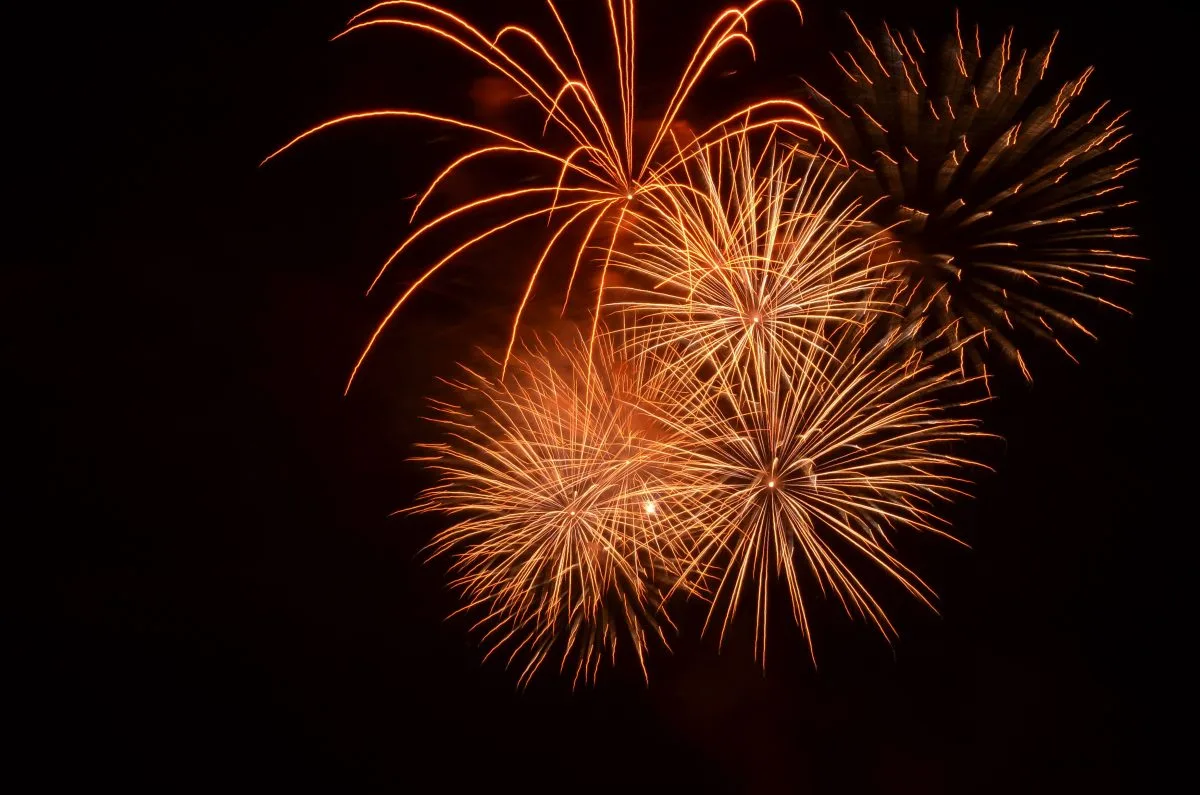
Fireworks are enjoyed by many people for celebrations and cultural events. However, their use has become a growing concern in the UK, as evidenced by rising numbers of complaints, parliamentary debates, and petitions calling for stronger controls due to the negative impacts on neighbourhood safety, vulnerable people, and animals, not least due to high noise levels.
The Government undertook a period of consultation [1], which closed on the 7th October 2026 to explore these issues, in support of the Government’s Safer Streets Mission to tackle anti-social behaviour. The goal was to find an approach that preserves the enjoyment of fireworks for celebrations while preventing harm and distress to others. They were seeking views on proposals to:
- restrict the availability of noisier fireworks to the public, with louder products only available to professional users.
- add products deemed to be carrying unacceptable risks to the list of existing banned pyrotechnic products set out in regulation 33 of the Pyrotechnic Articles (Safety) Regulations 2015 (as amended)
- review the regulations for fireworks and pyrotechnic products currently classified as lower risk to better reflect the different levels of risk they pose
Consumer fireworks in the UK have their current maximum noise level set out in the 2015 Regulations. This is expressed as an A-weighted impulse sound pressure level (LAImax dB). The consultation document asked opinions on:-
- Maintaining the current LAImax limit of 120 dB
- Reducing to 110 dB, equating to a halving of the perceived loudness
- Reducing to 100 dB, equating to a quarter of the perceived loudness
- Reducing to 90 dB, equating to an eighth of the perceived loudness
Acting on impulse.
Firework noise is measured to the BS EN CEN 15947 standard [2] but adding to the complexity of assessing noise levels are the many factors that can impact the experience of hearing sound such as the natural environment, wind direction or physical structure, along with psychological elements such as whether the noise is expected or predictable.
It’s interesting to see the use of the impulse time constant as opposed to the more familiar Fast (F) or Slow (S) or indeed a ‘true Peak’ measurement, all of which settings you will find on the majority of modern sound level meters that meet the current IEC 61672 standard.
These time constants point to the nature of noise measurement which aims to produce an average (RMS) value of the fluctuating noise, thus requiring a time constant (except for Peak which is time constant-less).
Quite difficult to comprehend, it’s easier to show diagrammatically where one can see how the impulse time constant, with the shortest rise time, is ideal for capturing the maximum sound level of short duration impulses, measured in units of pressure, Pascals (Pa) (rather than sound pressure level in dB, relative to 20 microPa).


The slow decay is a throwback to the early instruments of the 1960s & 70s that did not have a maximum hold facility meaning the user needed time to visually ascertain the maximum value. Indeed, impulse is no longer specified as a requirement which was the case in the earlier, now obsolete, IEC 60651 standard it replaced. Talking to Chris Steel, Specialist Inspector with the HSE we concluded that an impulse time constant is being used because that is still specified for blast measurements of the type undertaken by HSE’s Science and Research Centre in Buxton and who did the firework testing [3].
The precedent for reduced noise levels
In 2008, New Zealand introduced a 90 decibel limit for their consumer fireworks, along with reducing the number of days they can be sold and raising the legal age of purchase from 14 to 18 (to match that of most other countries, including the UK).
Pet owners and those included or involved with vulnerable communities have campaigned for a reduction in firework maximum noise for several years. The result of the recent government consultation may finally mark an answer to their calls.
Tim Turney is global marketing manager at Casella. For more information, visit www.casellasolutions.com
References
- Open consultation, Fireworks and pyrotechnics in the UK Office for Product Safety and Standards published 16 July 2026 Fireworks and pyrotechnics in the UK – GOV.UK
- BS EN CEN15947 -2: 2015 Pyrotechnic articles – Fireworks, Categories F1, F2 and F3. Part 4: Test Methods
- Noise Testing of Fireworks Final report. Office for Product Safety and Standards, published January 2023 Noise Testing of Fireworks

HSM Newsletter
HSM publishes a weekly eNewsletter, delivering a carefully chosen selection of the latest stories straight to your inbox.
Subscribe here