


Confined space safety
EFFECTIVE TRAINING is vital to preventing fatalities in confined spaces, where failures in risk assessment, monitoring or rescue planning can have deadly consequences, explains Adam Barker.
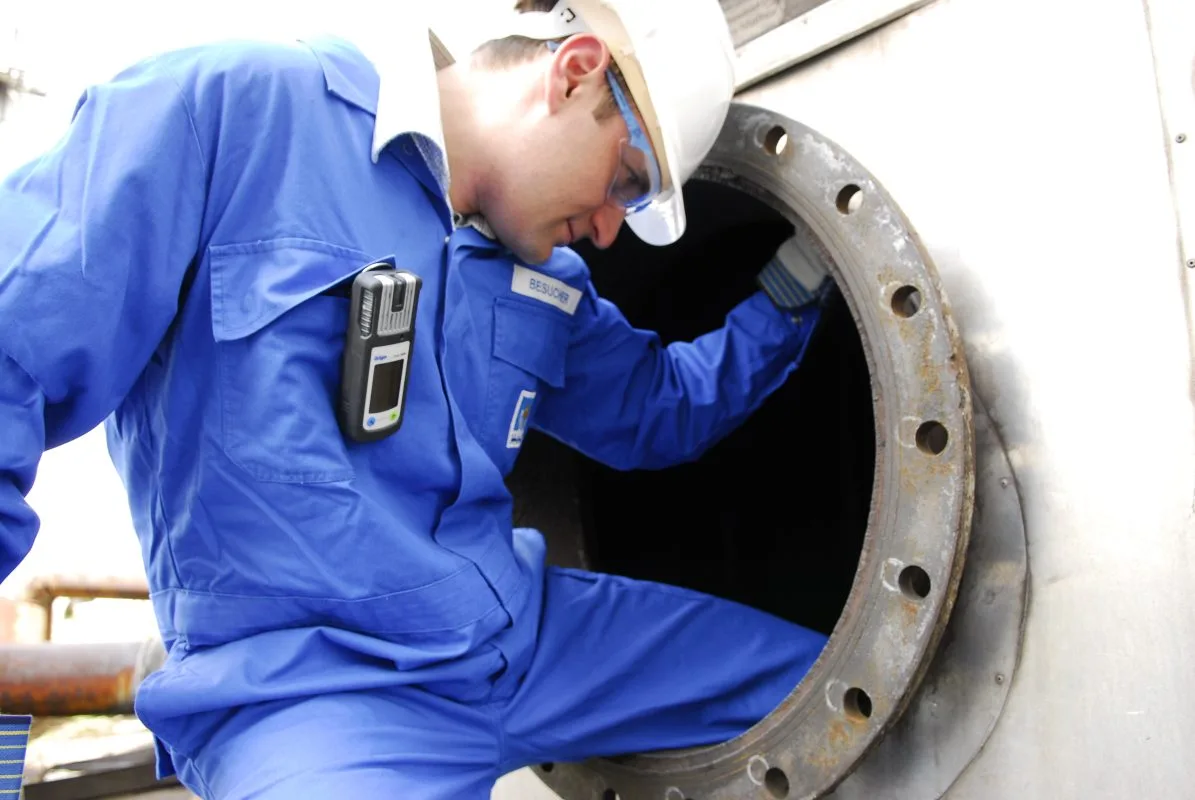
Confined space incidents are among the most serious and unforgiving workplace accidents. Working in a confined space means a single failure in risk assessment, atmospheric monitoring, ventilation, or emergency arrangements can have fatal consequences, with the potential for multiple casualties if an unplanned rescue is attempted
When an individual is working in a confined space, conditions can rapidly deteriorate and create an emergency within minutes. Oxygen depletion, toxic gas accumulation, fire, explosion or engulfment can rapidly incapacitate workers, so every second counts when carrying out a rescue.
Despite decades of guidance on confined spaces, industry data suggests that a high number of fatalities occur in confined spaces because of inadequate confined space and rescue training. However, for organisations where confined space entry is unavoidable, comprehensive training remains one of the most effective ways of reducing risk and ensuring operational readiness.
What is a confined space?
In regulatory terms, a confined space is any enclosed or partially enclosed area where there is a risk of serious injury from hazardous substances or dangerous conditions.
These environments exist across many sectors, including construction, utilities, manufacturing, water, agriculture, shipping, oil and gas, and energy generation. Common examples include storage tanks, sewers, silos and manholes.
Although these spaces vary in size and purpose, they share common characteristics, such as limited access, potentially poor natural ventilation and potential for airborne hazards. Consequently, work in confined spaces requires specialist knowledge and procedures that extend well beyond general workplace safety training.
Recognising the hazards
Confined space training focuses on helping workers recognise and manage the key hazard categories. Understanding these hazards, and the most effective way to manage the associated safety risks, is fundamental to ensuring safe confined space operations. The hazards and risks can be summarised as follows.
- Gas hazards
Gas hazards are the leading cause of confined space fatalities, and include:
- Oxygen displacement/deficiency
- The accumulation of toxic gases, such as hydrogen sulphide, methane or carbon monoxide accumulation
- Flammable vapours.
Workers, including those who may be involved in rescue, must be trained to understand safe atmospheric limits (such as the maximum safe levels of gases or fumes, or reduced oxygen levels), changes in a confined space, and how to use gas detection equipment.
- Becoming trapped
Workers can become trapped or buried by materials such as grain, sand or liquids. Engulfment incidents can occur quickly, with rapid asphyxiation, making rescue operations extremely difficult and dangerous for those involved in responding.
- Fire and explosion
Confined spaces can contain flammable gases or vapours that ignite when exposed to sparks or hot surfaces. Tasks such as welding or cutting significantly increase this risk.
Legal requirements
The Confined Spaces Regulations 1997 is the key legislation to which UK employers must adhere, setting out three fundamental safety principles that those working in confined space environments must follow, namely:
- Avoid confined space entry wherever possible
- If entry cannot be avoided, implement a safe system of work
- Ensure suitable emergency and rescue arrangements are in place.
Training is a key component of all three of these requirements. Employers must ensure that workers have the necessary skills, knowledge and experience to perform confined space work safely.
The HSE emphasises that training for those working in confined spaces, managing this kind of task and those required to respond to confined space emergencies should cover hazard awareness, safe working procedures, use of monitoring equipment (such as gas detectors), emergency planning and rescue techniques. Supervisors and managers must also undergo training to ensure they understand permit-to-work systems and the appropriate risk control measures.
Failure to meet these obligations can result in HSE enforcement action, including improvement notices, prohibition notices and even prosecution.
What should confined space training include?
For safety professionals, the challenge is not simply ensuring compliance with the legal duty to provide training for confined space work; it is ensuring that training genuinely prepares workers to recognise hazards, follow safe systems of work and respond effectively in emergencies.
Confined spaces are unique environments where hazards can escalate quickly. A situation that appears safe at the start of a task can become life-threatening within minutes.
Training therefore plays a vital role in preparing workers for these conditions. It enables them to:
- Recognise hazards before entering the confined space
- Conduct atmospheric testing and monitoring both before entry and while operating in a confined space, to identify the presence of dangerous gases or fumes, or low oxygen levels, that could pose a risk to life – for example, through asphyxiation or a fire or explosion risk
- Follow permit-to-work systems correctly
- Use safety equipment properly
- Respond effectively in an emergency.
Without this knowledge, workers may unknowingly enter dangerous environments or fail to react appropriately when conditions change.
Safe ways of working
To ensure that everyone involved in confined space work understands their safety responsibilities, the training provided must emphasise the importance of always following the agreed safe systems of work. Confined space tasks must be properly planned and controlled, and workers and supervisors must understand the safety procedures they need to follow, both for confined space entry and rescue.
Typical safety measures include:
- Isolation of energy sources (for example, to prevent sparks from electrical circuits or equipment igniting flammable gases)
- Ventilation of the space (for example, to remove harmful gases, or ensure they are ventilated from the area to avoid them building up to dangerous levels)
- Continuous atmospheric monitoring – specifically, using gas detection equipment to warn of potentially unsafe levels of harmful gases)
- Use of safety harnesses and lifelines (to aid safe entry and exit, and emergency evacuation, if required)
- Regular communication with a person on emergency ‘standby’ outside the space. (The standby person plays a critical role in monitoring conditions and initiating emergency procedures if something goes wrong.)
Equipment and competence
Specialist equipment is often required to ensure safe working in confined spaces. Workers may therefore require training in the correct use and maintenance of a range of devices, such as:
- Gas detection monitors
- Breathing apparatus
- Retrieval systems
- Ventilation equipment
- Communication systems.
Incorrect use of these types of equipment can compromise safety. For example, failing to calibrate a gas detector may result in inaccurate readings that place workers at risk.
Training therefore needs to combine theory with practical exercises to ensure workers can operate equipment confidently in real-world situations.
Selecting the right training provider
When it comes to choosing a training provider for confined spaces, it is important to consider an organisation that offers both classroom-based learning and practical hands-on training of the knowledge and skills taught.
An effective course should cover the current applicable legislation, hazard identification and risk assessment techniques, and the appropriate use of protective equipment. The curriculum and instructions should be directly relevant to the specific confined space environments the course attendees will be working in and the hazards they will face.
The course should also include hands-on scenarios and exercises where attendees practice key procedures, such as entry into a confined space and emergency exit from the danger zone. The idea is to ensure that, if an emergency unfolds, workers have practised and understand the steps to follow to evacuate and keep colleagues safe.
Areas to consider when selecting a training provider might include:
- Does the training company have a confined space entry training rig?
- Are the trainers experienced in confined space entry training?
- Does the company have OEM (original equipment manufacturer) knowledge of the equipment workers will be using during real-life confined space working?
- Since small groups generally offer a better learning experience, how many people will be on each training course?
- Has the course been tailored to your organisation’s specific needs – such as the type of confined space tasks, and use of specific safety equipment, etc?
- Does the course focus on risk awareness and decision-making?
Conclusion
The reality is that most confined space incidents are preventable, so by investing in high-quality training, health and safety professionals are protecting those operating in some of the most dangerous environments in the workplace.
When workers have the knowledge, skills and confidence to identify hazards, to follow safe procedures and respond effectively to changing conditions, organisations are far better placed to ensure that confined space tasks are completed safely, and that everyone goes home at the end of the working day.
Adam Barker is marketing manager at Dräger Academy and Safety Service. For more information, visit: www.draeger.com/en_uk/Safety/Confined-Space-Training


HSM Newsletter
HSM publishes a weekly eNewsletter, delivering a carefully chosen selection of the latest stories straight to your inbox.
Subscribe here