

Don’t wait for a mental health crisis
CONSTRUCTION HAS transformed the way it manages physical safety, but now it needs to rethink what safety really means. Nicola Hodkinson explores why mental health must become an integral part of the industry’s approach to safety.
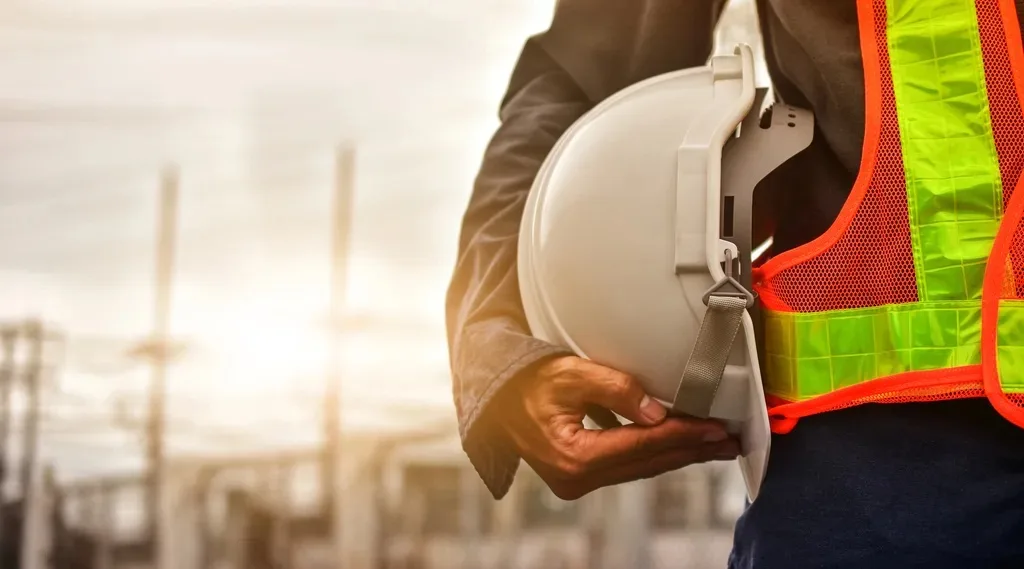
 Few industries have done more to improve physical safety than construction. Stronger regulation, better training and a sustained focus on preventing accidents have transformed how the sector manages risk. That same commitment must now be applied to mental health, recognising psychological harm as a workplace safety risk in its own right.
The latest ONS data show that 355 people in skilled construction and building trades died by suicide in England and Wales in 2024. A 2025 CIOB report also found that 26% of construction workers surveyed had experienced suicidal thoughts, while only 56% said their employer had a mental health policy in place.
These figures expose a critical gap in the sector’s approach to safety. Construction has become highly effective at preventing physical harm, but psychological harm is still too often treated as an isolated wellbeing issue rather than a safety risk the industry must actively manage.
What psychological risk looks like on site
Psychological risk in construction is often embedded in the pressures of everyday working life.
Tight programmes, long hours, labour shortages, uncertainty over future work and financial concerns can all place people under sustained pressure. These challenges rarely exist in isolation. They often build on one another, increasing the strain individuals are under while making changes in their behaviour or wellbeing more difficult to recognise.
The structure of the industry can add to that pressure. People may move between projects, employers and teams, making it more difficult to build trusted relationships or access consistent support.
Subcontractors, agency workers and others within the supply chain may face the same pressures as directly employed colleagues but often have less access to the relationships and support structures around them. As a result, someone who is struggling may not know who to speak to, may feel less comfortable raising a concern or may assume that support is not available to them.
Safety culture must include psychological safety
Psychological safety is created through what happens on site every day.
It means everyone knowing who they can speak to, trusting that concerns will be taken seriously and feeling able to ask for help without fear of judgement. It also means managers making time to check in, noticing changes in behaviour and being prepared to start difficult conversations before problems escalate.
Leaders have to know who is working on their projects. That includes directly employed teams, subcontractors, agency workers and anyone else contributing to the job. If leaders don’t understand who is on site and the pressures those people are working under, they are far less likely to spot when someone needs support.
That responsibility extends across the whole workforce. Everyone working on a project should feel included, respected and confident that they can raise concerns, regardless of who employs them.
Prevention is the next step in safety
Too often, support is offered only when someone reaches breaking point. By then, opportunities to recognise warning signs, reduce pressure or change working practices may already have been missed.
Prevention means making wellbeing part of everyday safety management, training managers to recognise when someone may be struggling and giving them the confidence to start a conversation before the situation escalates. It also means planning workloads and programmes realistically, checking when pressure is becoming unsustainable and making sure people know where they can access confidential support. Crucially, it means following up rather than assuming that signposting someone once is enough.
Protecting people’s wellbeing is not just the right thing to do. It also helps businesses retain skilled workers, strengthen teams and, ultimately, deliver better projects.
Construction has never improved safety by waiting for harm to occur. Mental health deserves exactly the same approach. By recognising psychological risk earlier and embedding prevention into everyday project management, the industry can take the next major step in protecting its workforce.
This is what modern safety leadership looks like.
Nicola Hodkinson is owner of Seddon and chair of mental health charity Mates in Mind.


HSM Newsletter
HSM publishes a weekly eNewsletter, delivering a carefully chosen selection of the latest stories straight to your inbox.
Subscribe here