
 product
How to prevent chemical hazards in the workplace
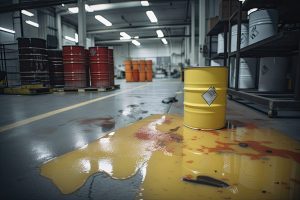
CHEMICAL HAZARDS remain one of the most common workplace safety risks across industries where substances are stored, transferred, mixed or used during cleaning and maintenance activities.
productCHEMICAL HAZARDS remain one of the most common workplace safety risks across industries where substances are stored, transferred, mixed or used during cleaning and maintenance activities.
 product
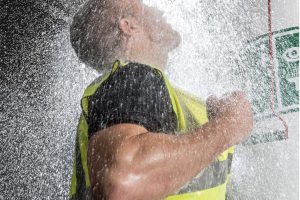
WHEN CHEMICAL exposure occurs, every second counts. Effective emergency response requires that safety showers and eye/face wash facilities deliver not only immediate but also safe decontamination.
 product
CHEMICAL-RELATED incidents account for a significant share of workplace accidents in food and beverage manufacturing. From caustic detergents and aggressive sanitising agents to ammonia refrigerants and concentrated reagents used in testing labs, food facilities rely on chemicals that can cause serious harm if something goes wrong.
 product
WHEN IT comes to eye safety in the workplace, having the correct emergency eye-irrigation equipment can make all the difference between minor irritation and serious injury. Understanding the roles, strengths, and limitations of different eyewash solutions is key to protecting workers exposed to harmful substances.
 product
IN STOCK and ready to ship within 72 hours.
 product
CHEMICAL BURNS continue to be the leading type of non-fatal injury caused by exposure to or contact with harmful substances in workplaces across Great Britain. They account for nearly 60% of all injuries in 2023/24, according to a Freedom of Information request submitted by Hughes Safety Showers.
 product
AS OF 2025, the marine offshore sector is navigating a wave of growth driven by both traditional oil and gas and the rising tide of renewables.
 product
THE RAPID response to emergency situations can often be the line between minor inconvenience and severe injury, so the correct position of your safety shower and eye/face wash equipment is vital.
 product
WASTEWATER TREATMENT plants are vital to public health and the environment, quietly processing the substances that keep our communities clean. Yet, behind the scenes, the essential work performed by plant personnel often involves exposure to significant hazards
 product
EUROPEAN AND International standards (EN15154 and ANSI/ISEA Z358.1-2014) state that safety showers and eye/face wash equipment should be visually inspected and activated on a weekly basis.
HSM publishes a weekly eNewsletter, delivering a carefully chosen selection of the latest stories straight to your inbox.
Subscribe here
Western Business Media,
Dorset House, 64 High Street,
East Grinstead, RH19 3DE
01342 314 300
[email protected]
© Western Business Media, 2026. All rights reserved.