




Awaab’s Law: early learnings
THREE MONTHS after Awaab’s Law came into force, early experience shows that while the new requirements can feel daunting, social landlords can meet them by breaking compliance into clear, practical steps, writes Hudson Lambert.
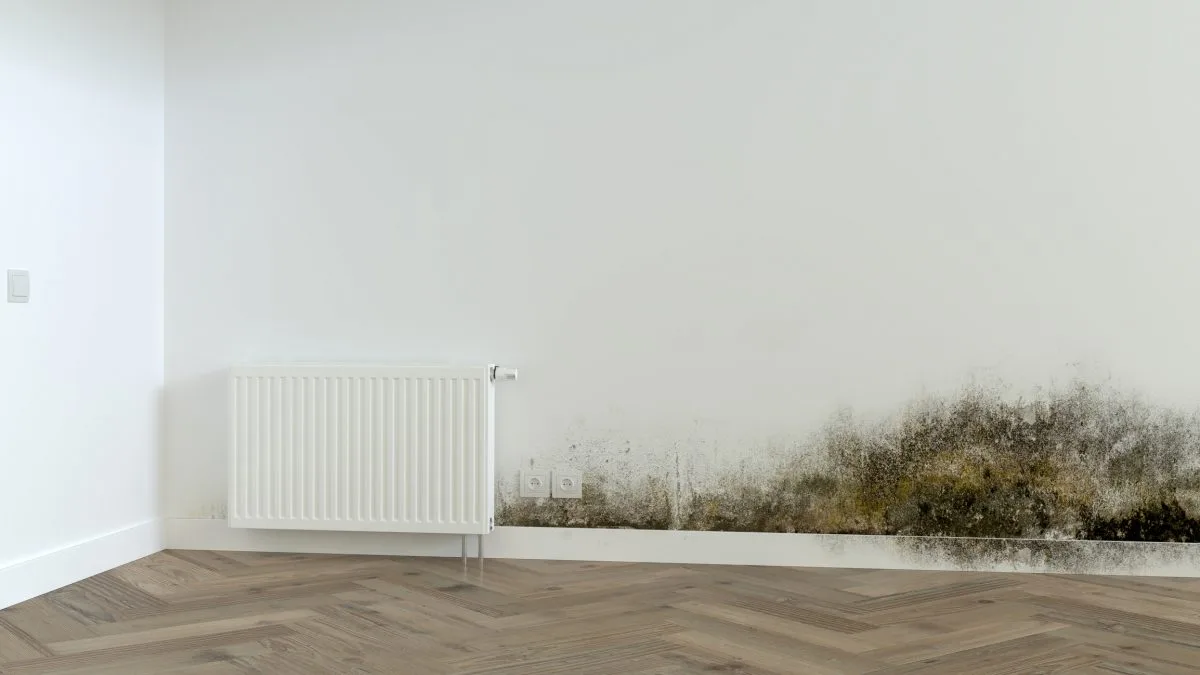
Since Awaab’s Law came into force on 27 October 2025, social landlords have faced a steep learning curve. Working with housing teams to navigate the new legislation, we’ve learnt that meeting the new deadlines can feel tough at first, but becomes manageable when you break the process down into clear, practical steps.
Awaab’s Law applies to all social landlords under the Housing Act 1996 and Social Housing (Regulation) Act 2023. This includes local authorities and housing associations. The law effectively writes these repair timelines into every tenancy agreement.
While the legislation is clear about the initial response time, ambiguity remains around the full remediation journey. The non-statutory guidance defines ‘significant’ and ‘emergency’ hazards and stresses the importance of qualified specialists, yet it still relies heavily on social landlords’ judgement and internal protocols.
Based on what we are seeing in the field right now, here’s what best practice looks like:
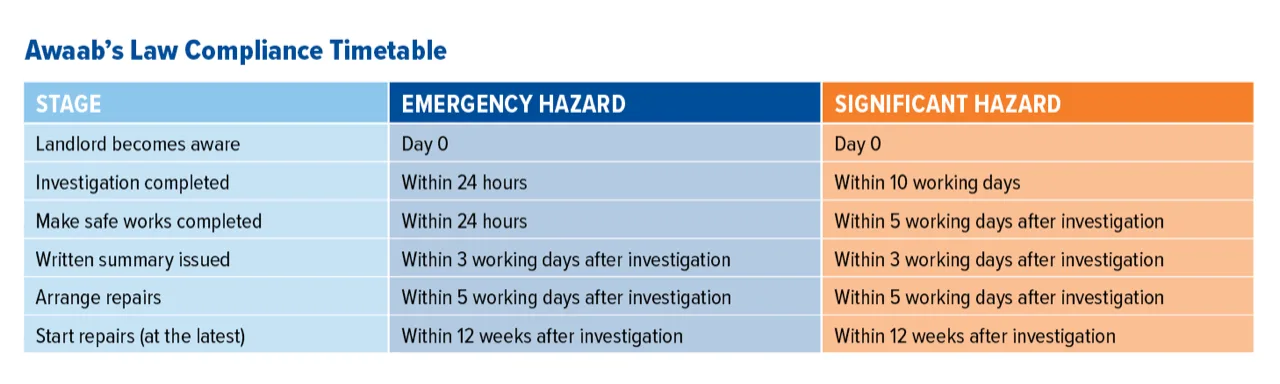
Essential dates
Phase 1: “Make Safe” works
Once a tenant has reported an emergency hazard, you have 24 hours to make the building safe. Emergency action is about removing the immediate hazard, not delivering the permanent repair.
For damp and mould, that means stopping mould growth and clearing the associated contamination that could pose an acute health risk. This may include airborne spores, allergens and the conditions that support dust mites.
All emergency interventions should be carried out by qualified staff or contractors. Make sure you take clear photos before and after this stage to prove you have hit that 24-hour target.
Phase 2: Diagnosis and bridging the gap
The most challenging phase is ‘the gap’ between the initial ‘make safe’ works and the start of long-term remediation.
Even though the statutory timeline is clear, it still allows a prolonged mobilisation period. If it is not feasible to begin supplementary works within 5 working days, physical on-site start can be delayed by up to 12 weeks. Unless the project is actively managed, cases can become unnecessarily delayed.
An effective bridging strategy should include:
- Root-cause diagnostics: targeted surveys to identify the damp and mould causes (e.g. moisture source, ventilation, fabric defects).
- Interim controls: measures to prevent hazard recurrence and keep the home safe while permanent works are organised (e.g., dehumidification, temporary ventilation/heating, moisture monitoring, and short-term surface treatments such as anti-mould coatings or paint additives to suppress re-growth).
- Tenant communication: regular updates on next steps, plus practical information on how to stay safe during the interim period.
- Project planning: book contractors, secure materials and obtain required approvals.
- Record-keeping: clear ownership, escalation routes and an auditable record of decisions and actions (photographs where helpful) to demonstrate control of risk and progress.
Phase 3: The permanent fix
Remember; every building is unique, and there is no one solution to a problem. When it’s time to start remediation works, the solution has to match the cause.
Here’s a snapshot of some common problems and solutions:
- Ventilation: Upgrading intermittent fans to continuous-running extract ventilation in bathrooms and kitchens can help lower condensation and prevent mould.
- Penetrating Damp: Repair defective roofs/flashings, leaking gutters/downpipes, failed pointing/cracked render and poor seals around windows/doors. Where walls are porous but otherwise sound, a breathable water-repellent masonry cream on the external façade will help reduce rainwater absorption.
- Rising Damp: Works may include addressing bridged damp-proof courses and altered ground levels, improving drainage, installing a remedial damp-proof course and replacing salt-contaminated plaster.
By dividing the work that needs to be done into three distinct phases, social landlords can meet the new timeframes with confidence and, most importantly, deliver healthier and safer homes for tenants.
Hudson Lambert is managing director at Safeguard Europe. For more information, visit www.safeguardeurope.com


HSM Newsletter
HSM publishes a weekly eNewsletter, delivering a carefully chosen selection of the latest stories straight to your inbox.
Subscribe here