


All hands covered
AS WORKERS face multiple hazards in a single shift, multi-norm gloves are redefining hand protection — simplifying specification, improving compliance, and pushing industry towards a more consultative approach to PPE procurement. Tom Kerrigan provides an insight.
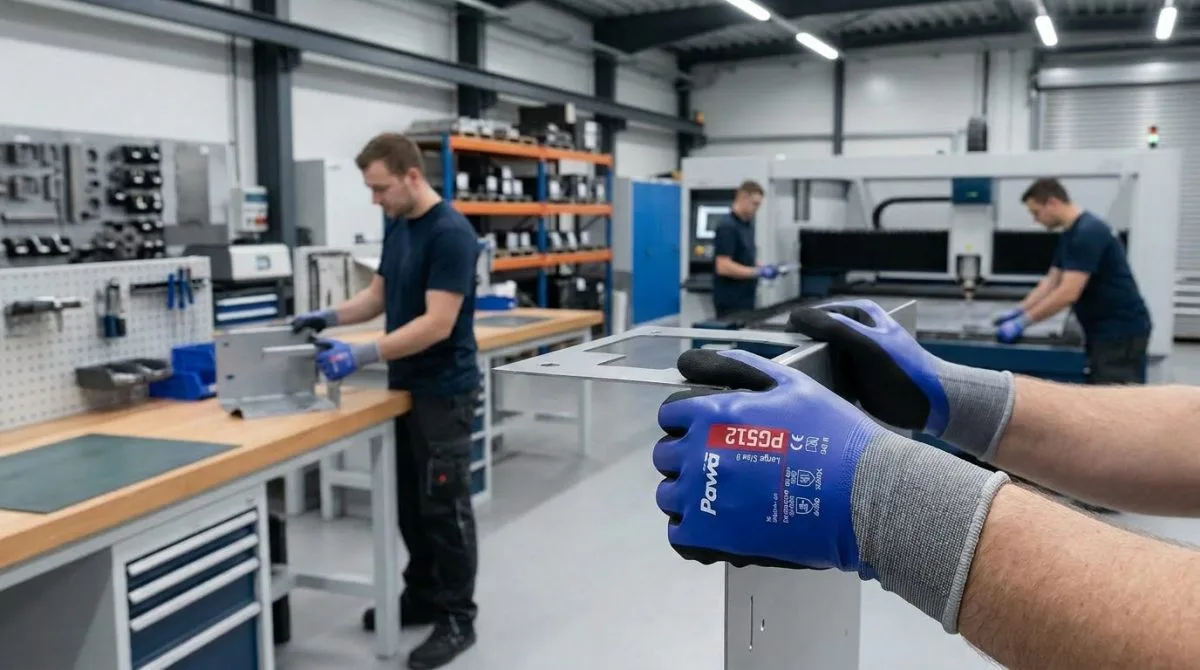
Hand injuries are one of the most consistently reported categories of non-fatal workplace accidents in Great Britain. According to the Health and Safety Executive’s most recent annual statistics, there were 6,468 injuries to fingers and thumbs, 4,418 wrist injuries, and 4,107 hand injuries recorded in a single reporting year. Two-thirds of those upper limb injuries kept the worker off site for more than seven days, contributing to millions of pounds lost in the annual cost of workplace injuries and ill health to the British economy.
Behind every statistic is a business asking the same uncomfortable question: how did this happen when we had safety processes and protective workwear in place? Because in the vast majority of cases, gloves were issued and, on paper, were being used. The failure was somewhere between their procurement and the moment of injury. Understanding exactly where that gap opens is where any serious approach to hand protection must start.
The compliance gap
Gloves are uniquely intrusive PPE. Unlike a hi-vis vest or safety boots, which a worker puts on and forgets, gloves interact directly with every task performed. In multi-hazard environments where workers perform multiple tasks in a shift, a single certified glove suited to one task may actively hinder the next. This means that for many workers in jobs like this, their day consists of constantly swapping gloves or keeping the same single certified pair on. Neither option is optimal for protection and can often lead to mistakes, forgetfulness, and occasional neglect of one’s own safety.
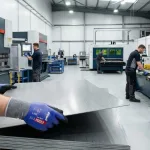
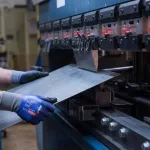
These are patterns that safety managers across manufacturing, fabrication, engineering and construction will recognise. Robust cut-resistant gloves go on for tasks such as handling sheet metal and then come off the moment a worker needs to fix a fastener, operate a control panel, or carry out any task requiring tactile sensitivity or dexterity, then back on, then off again. Each transition is a moment of risk, not because the worker is careless, but because the system has given them no better option. Research shows that glove removal is rarely defiance, it is a practical decision made in the moment, by a worker whose equipment is making their job harder than it needs to be. A micro-decision that feels small and temporary, until it is not.
Single-purpose glove failings
The single certification glove focuses on one primary hazard and offers one dedicated product. Cut risk? A cut-resistant glove. Heat exposure? A heat-resistant glove. Each product is engineered to perform against a single threat, which works well in single-function jobs, but what do businesses do when a job is multi-function and faces multiple hazards in a single working shift?
The problem is rarely that these products fail at what they were designed to do. The problem is that they were designed around a version of industrial work that only focuses on one task. A metal fabricator moving between raw sheet stock and post-heat-treatment components faces cut risk and contact heat risk within the same shift. With two different single-purpose gloves, there is a changeover routine that will, at some point, fail. Workers may keep either pair on and accept the elevated risk, or wear neither and work bare-handed. Either way, the outcome is not the one the PPE policy intended, with most companies following site safety compliance statements such as “Protective gloves must be worn at all times”. The removal of gloves leaves them with a heightened risk of breaches.
For years, the industry treated this as a behavioural problem. More training. More supervision. More enforcement. The research evidence and the practical experience of safety managers who have run that cycle without result point in a different direction. If the equipment does not fit the tasks of the entire shift, then workers will face barriers with wearing it. Addressing that requires changing the procurement process and equipment supplied, not reinforcing the rule.
Matt Rushton, head of commercial at Supertouch says: ”The conversation we are seeing more of now is businesses coming to us and saying: we have protective workwear, we have a policy, and we are still getting hand injuries. This trend is a much more productive starting point, because it opens up a real discussion about what workers are actually doing all day and whether the gloves they have match that reality.”
Solution for multi-function roles
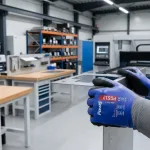
Multi-norm gloves are independently certified across multiple EN standards simultaneously. A single glove can now deliver high cut resistance and high levels of dexterity. Contact heat resistance and oil grip. Waterproofing and tactile sensitivity. The traditional trade-offs that defined glove design for decades have been resolved by advances in knit gauge, high-performance protective fibres and specialised coatings.
The right consultation
More advanced products alone do not close the compliance gap. The missing piece is specification: matching the right glove to the specific combination of tasks and hazards a particular workforce faces. The businesses getting their hand protection right are the ones who begin with a conversation with specialists like Supertouch, who develop these products, understanding the complexity and getting to the specification that fits the working day.
Consider two workers in different manufacturing environments. The first moves between raw sheet metal and heat-treated components: they need a glove to be cut and contact heat resistant. If they have it, there is no changeover and no gap. If they have two single-purpose products, there is a changeover routine that will eventually break down. The second worker does the same fabrication tasks but also operates a touchscreen interface and carries out precision fixturing. The same multi-norm glove may not be sufficient, a different configuration, incorporating dexterity and touchscreen compatibility alongside the protective properties, is what their working day demands.
These distinctions cannot be resolved by issuing a highly rated single certified glove and hoping for the best. They require someone to understand the true sequence of tasks, map the full hazard profile, and recommend a product that genuinely addresses it all. That is the consultation that is increasingly being requested across industry, and it is the one that produces real results.
A positive shift
The encouraging development is that this approach is gaining real traction. Businesses are arriving at conversations with specialist glove suppliers like Supertouch, asking not just what a product is rated for, but what it feels like to wear for a full shift, how PPE compliance rates have changed for businesses that have moved to multi-norm specifications, and whether wearer trial data is available alongside laboratory certification.
Brands like PAWA, whose ranges are built specifically around solution based performance and the real demands of industrial workers, are well positioned to support these conversations. Glove brands like Supertouch are working with manufacturing businesses to move away from reactive, catalogue-driven procurement and toward a considered specification process that treats hand protection as the safety-critical decision it is.
The zero-harm target, once the ambition of only the most progressive organisations, is now a standard feature of safety frameworks across British manufacturing and construction industries. With it has come a more rigorous approach to understanding why injuries keep occurring despite solid PPE policies. Hand injuries, because they are consistently reported and clearly preventable, have come into sharper focus than almost any other category.
Procurement matters
A substantial proportion of the hand injuries recorded in the HSE’s annual statistics are the direct consequence of a procurement model that has not kept pace with what is now available. The industry knows this. The evidence is in the data, in the PPE compliance research, and in the experience of safety managers who have investigated a hand injury on a site with an active PPE policy and found that the glove was available but not being worn, or that the wrong glove was on at the wrong moment.
The solution is a specialist designed glove, properly selected through a genuine conversation about the tasks a worker performs. Fewer products, worn more consistently, across more of the working day. Workers who do not have to choose between protection and productivity because the equipment they have been given makes work easier.
The businesses taking this approach are already seeing it in their injury data and increases in productivity. The shift toward consultative specification is the most significant positive development in industrial hand safety in a generation.
Tom Kerrigan is marketing manager at Supertouch, For more information, visit www.supertouch.com
Related posts

HSM Newsletter
HSM publishes a weekly eNewsletter, delivering a carefully chosen selection of the latest stories straight to your inbox.
Subscribe here