

Why regular EICRs are essential for workplace safety
ELECTRICAL SAFETY is one of the most overlooked aspects of workplace compliance, yet it remains a leading cause of commercial fires, equipment failures, and avoidable accidents across the UK.
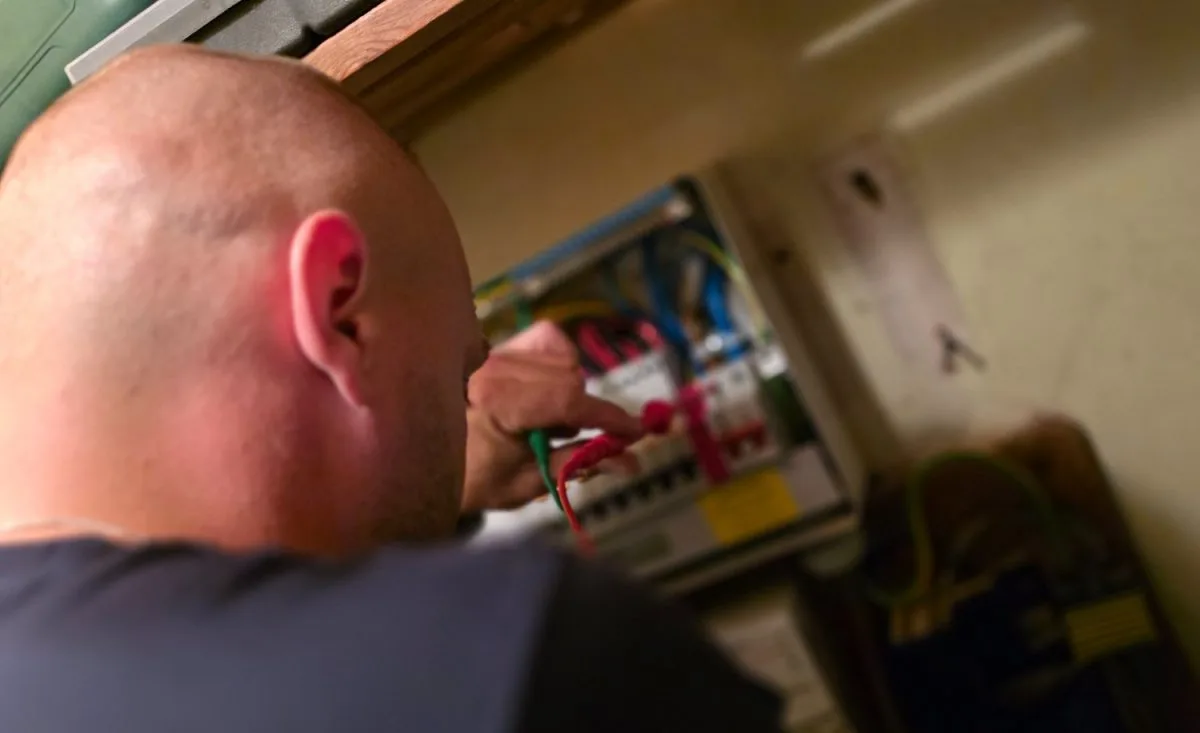
ELECTRICAL SAFETY is one of the most overlooked aspects of workplace compliance, yet it remains a leading cause of commercial fires, equipment failures, and avoidable accidents across the UK. As businesses become increasingly reliant on technology, electrical demand continues to rise, placing extra pressure on existing installations. This is why the Electrical Installation Condition Report (EICR) has become vital for maintaining a safe and compliant environment.
An EICR is a detailed assessment of the condition of a building’s electrical installation. It goes far beyond basic visual checks, examining the integrity of wiring, circuits, consumer units, protective devices, and earthing arrangements. For employers and duty holders, it serves as essential evidence that reasonable steps have been taken to ensure a safe electrical system in line with the Electricity at Work Regulations 1989.
Expert insight: What electricians are finding in today’s workplaces
To gain practical insight into the issues businesses are facing, we spoke with Assured Electricians, a team of qualified electricians carrying out EICR inspections across Bristol. They have noted a rise in problems linked to ageing wiring, overloaded distribution boards, and older installations that no longer meet the demands of modern equipment.
According to their experience, many of these faults remain hidden until a formal inspection takes place. Routine EICRs therefore play a crucial role in preventing risks from escalating into more serious hazards such as fires, shocks, or operational failures.
Common electrical faults identified during EICRs
One of the key strengths of an EICR is its ability to identify issues that gradually develop over time. After speaking with Assured Electricians, some of the most common faults they come across in Bristol include:
Deterioration of wiring and components
Cables naturally degrade as they age. Insulation can become brittle, connections loosen, and components can weaken due to heat or vibration. In industrial or storage environments, rodent damage is also frequently discovered during testing.
Overloaded circuits
Many workplaces expand gradually. Additional machinery, IT equipment, lighting, or EV chargers are often added without reviewing circuit capacity. An EICR can highlight circuits operating beyond their safe limit, helping prevent overheating, breaker trips, and fire risks.
Incompatible modern equipment
Modern devices—LED lighting, RCDs, and energy-efficient appliances—can place different demands on older electrical systems. EICRs help ensure the installation is capable of supporting newer technology safely and reliably.
How often should an EICR be carried out?
The recommended frequency depends on the type of building and the risks involved. For most commercial properties, a five-year interval is standard. Higher risk environments—such as industrial premises, wet areas, or locations with heavy machinery—may require more frequent testing.
Insurance providers are increasingly requesting up-to-date electrical testing certificates as part of policy conditions. Failure to maintain appropriate inspection records can place businesses at risk of invalidated claims in the event of an incident.
Understanding EICR codes and what they mean
One of the benefits of an EICR is the clarity of its reporting system. Each observation is assigned a code that indicates the level of urgency:
- C1 – Immediate danger. Action must be taken without delay.
- C2 – Potentially dangerous. Remedial work required as soon as possible.
- C3 – Improvement recommended to enhance safety but not mandatory.
This structured approach allows businesses to prioritise work sensibly, budgeting for improvements while addressing the most urgent issues first.
Reducing downtime and improving reliability
Beyond compliance, routine EICRs help businesses maintain reliable operations. Unexpected electrical failures can be costly, particularly in production environments or workplaces that depend on continuous power. Identifying weak points early enables planned repairs rather than emergency call-outs, saving both time and money.
In many cases, the cost of an EICR is minimal compared to the financial impact of downtime caused by preventable electrical faults.
Supporting future growth and modernisation
As businesses adopt more advanced technology, electrical demand will continue to rise. Renewable energy systems, modern HVAC units, and growing data infrastructure all require stronger, more efficient electrical installations. Regular EICRs help businesses plan upgrades sensibly rather than reacting to problems after they occur.
This proactive approach ensures electrical systems remain safe, efficient, and capable of supporting long-term growth.
A practical step towards safer workplaces
Electrical safety is a shared responsibility across every organisation. While legislation outlines minimum expectations, businesses that prioritise routine inspections consistently experience fewer failures, lower risks, and a safer working environment.
As emphasised by Assured Electricians, many dangerous conditions develop slowly and remain unnoticed until they are formally tested. EICRs provide an essential safeguard, offering clear evidence of a safe, well-maintained installation and supporting compliance with UK regulations.
For any organisation committed to protecting its people, maintaining safety standards, and ensuring long-term reliability, regular EICRs are not just a requirement—they are a vital part of responsible facility management.
HSM Newsletter
HSM publishes a weekly eNewsletter, delivering a carefully chosen selection of the latest stories straight to your inbox.
Subscribe here