


Grip, dexterity and weather protection matter
GRIP, DEXTERITY and weather protection matter more than ever on today’s worksites.
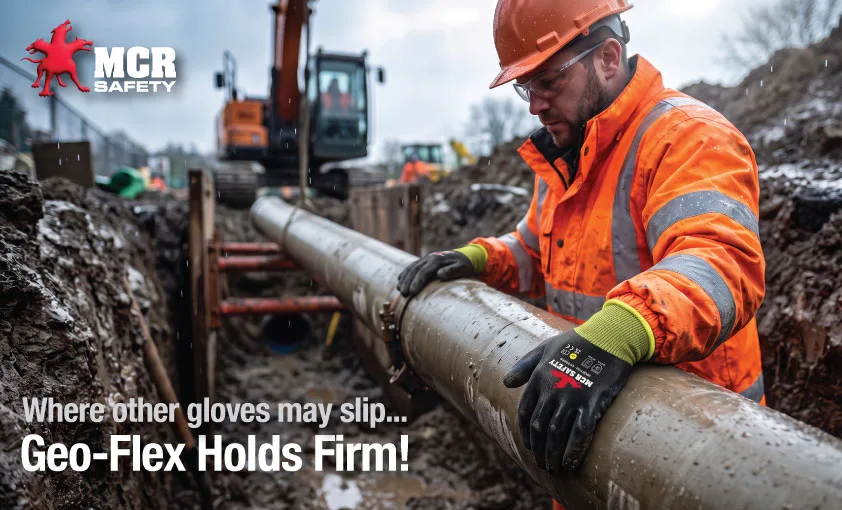
In the construction, utilities, civil engineering and industrial sectors, workers are constantly being asked to do more with less. Deadlines are tighter, productivity expectations are higher, and tasks increasingly involve digital technology alongside traditional manual work. Yet one challenge remains unchanged: maintaining a secure grip and reliable hand protection in unpredictable working conditions.
Whether handling wet timber, oily components, concrete blocks or construction materials exposed to the elements, poor grip and uncomfortable gloves can significantly impact both safety and productivity. That’s why selecting the right general handling glove has become an increasingly important consideration for PPE buyers and safety professionals.
One area attracting growing attention is water-resistant hand protection that combines flexibility and dexterity with dependable performance in wet and oily environments. Traditionally, workers have often been forced to choose between protection and comfort. Heavier coated gloves may provide good liquid resistance but can compromise movement and increase hand fatigue over long shifts.
Modern glove technology is changing that balance.
The hidden cost of poor hand protection
Hand injuries remain among the most common workplace incidents across construction, utilities, manufacturing and logistics operations. However, the issue extends beyond injury prevention. Gloves that are uncomfortable, lack grip or restrict movement can also lead to reduced productivity, increased worker frustration and lower compliance rates.
Workers are far more likely to wear PPE consistently when it feels comfortable and supports the task at hand. For site managers and safety officers, this makes glove selection an important part of both workforce protection and operational efficiency.
The challenge becomes even greater when workers are regularly operating in mixed environments where surfaces can quickly change from dry to wet or contaminated with oil and other substances. In these situations, grip performance can often determine whether a task is completed safely and efficiently.
Meeting the demands of modern worksites
Today’s workers need hand protection that performs across multiple conditions throughout a single shift.
Double-dipped nitrile gloves are increasingly being specified because they offer enhanced resistance to water, oils and workplace contaminants while maintaining excellent grip characteristics. When combined with lightweight liner technologies, they can deliver the protection required for demanding environments without sacrificing comfort.
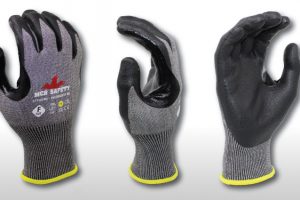
Geo-Flex general handling glove from MCR Safety is designed for workers operating in construction, groundworks, utilities, civil engineering and industrial maintenance, the glove combines a full liquid-resistant nitrile coating with a sandy nitrile palm finish engineered to enhance grip in dry, wet and oily conditions.
What makes this approach particularly interesting is the focus on wearer comfort. Featuring an 18-gauge lightweight shell, the glove has been developed to provide a close-fitting feel that supports prolonged use while helping to reduce hand fatigue.
Protection beyond grip
As workplace technology evolves, glove functionality is also expanding. Many workers now rely on smartphones, tablets and digital inspection tools throughout the day. Removing gloves to operate devices not only interrupts workflow but can expose hands unnecessarily to hazards and environmental conditions.
Touchscreen-compatible hand protection is therefore becoming a practical requirement rather than simply a convenience. Likewise, protection against liquids, oils and intermittent contact heat can add further value for workers moving between different tasks throughout the working day.
For PPE specifiers, the ideal solution is increasingly one glove that can support multiple activities rather than requiring workers to switch between different products.
Choosing the right general handling glove
When assessing hand protection for general industrial use, safety professionals should consider several key questions:
- How well does the glove perform in wet, dry and oily conditions?
- Does it provide adequate resistance to water and workplace contaminants?
- Will workers remain comfortable during extended wear?
- Does the glove support the dexterity needed for detailed tasks?
- Can users operate digital devices without removing protection?
- Is the glove versatile enough for multiple applications across site?
Answering these questions can help organisations identify solutions that improve both safety performance and workforce acceptance.
As work environments continue to evolve, the most effective hand protection solutions will be those that combine protection, comfort and productivity in equal measure.
For readers interested in learning more about how the latest glove technologies are addressing these challenges, including the features and applications of the Geo-Flex glove, further information is available HERE.
Click HERE to view Geo-Flex in 3D augmented reality
Or you can contact the MCR Safety Customer Excellence Team to arrange a product trial for your workforce.
Tel: +44 (0)333 070 7883
Email: [email protected]
HSM Newsletter
HSM publishes a weekly eNewsletter, delivering a carefully chosen selection of the latest stories straight to your inbox.
Subscribe here