


Flame detection for waste industry
Optical flame detectors, such as FFE’s Talentum range, are suited to waste handling facilities as they can detect almost all types of flickering flames, not just hydrocarbon flames.
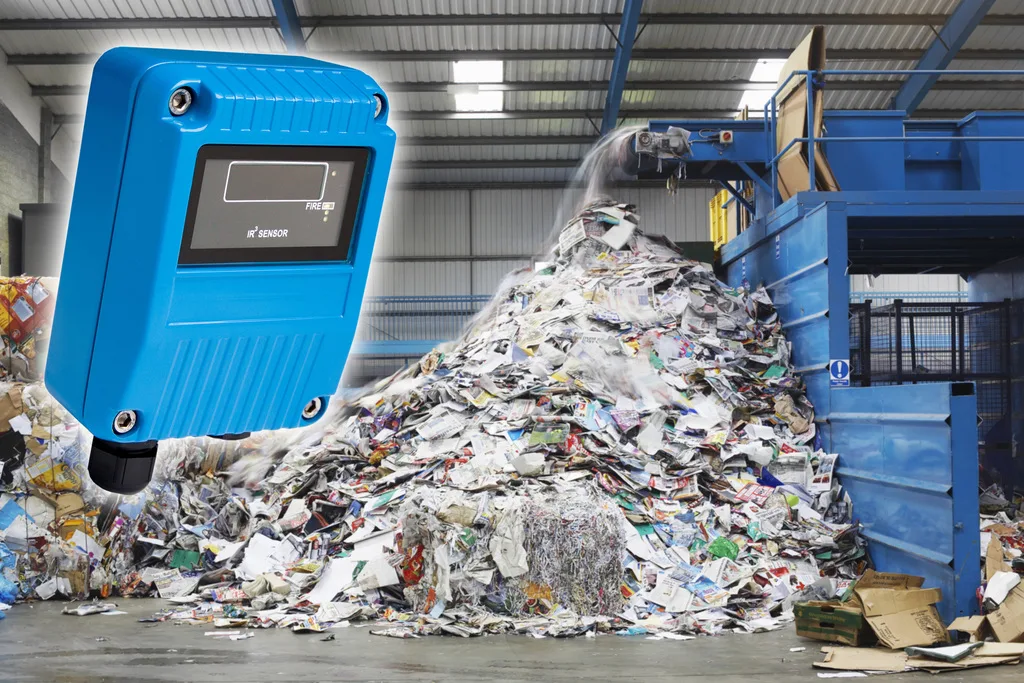
This is important in the waste industry, as flames can originate from many different sources, including paper, plastic and even metals.
By utilising infra-red (IR) sensing technology, flames are detected irrespective of any dust, steam or smoke present; they are also immune to the effects of wind or draughts of air. With the addition of an ultra-violet (UV) sensor a flame detector also becomes highly immune to false signals such as sunlight.
The way flame detectors work is straightforward: optical sensors receive the IR and/or UV radiation emitted by the flames and a processor analyses the optical sensor signal waveforms and determines if they represent flames and, if so, accepts them. If the signals do not match the internal algorithms for flames then they are considered to be false sources and rejected.
In waste handling facilities, flame detectors are usually installed as part of a complete fire detection and suppression system.
HSM Newsletter
HSM publishes a weekly eNewsletter, delivering a carefully chosen selection of the latest stories straight to your inbox.
Subscribe here