


Veterans warn of cold injury risk
CONDITIONS THAT damaged thousands in the armed forces are still present across UK construction, logistics, and outdoor industries.
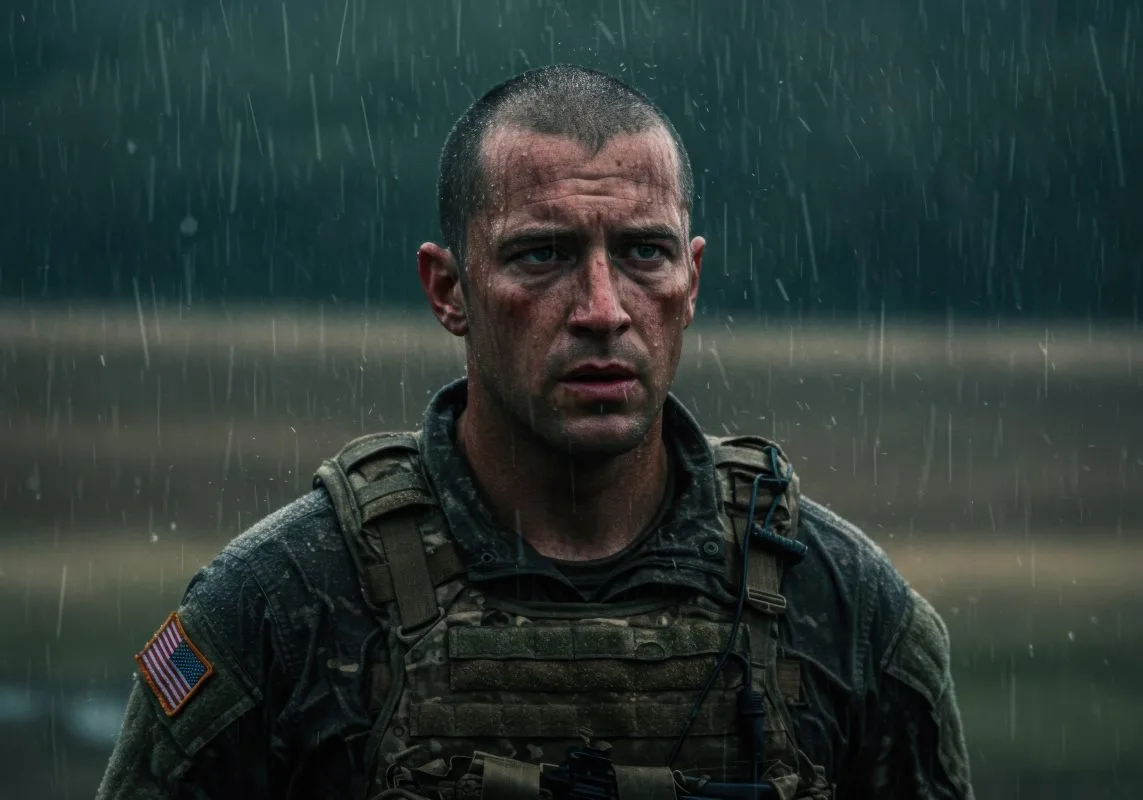
The injuries started in the military. Now they’re showing up on worksites.
As Britain endures another wet, cold season, veteran specialists are warning civilian employers: cold exposure doesn’t need to freeze skin to cause permanent damage.
This condition – known as Non-Freezing Cold Injury (NFCI) – is caused by long hours in wet boots, low temperatures, and poor circulation. Symptoms often go unnoticed until they become chronic: numbness, pain, cold sensitivity, and long-term nerve damage. Any job involving prolonged outdoor work in wet conditions can create the same risk – especially when teams can’t rotate or dry kit properly.
“Wet + cold + long hours + safety boots = the perfect conditions,” says Paul Rees, a former soldier now advising on NFCI risk. “And it doesn’t take snow. British weather does the job every winter.”
Veteran-led claims organisation Veterans for Veterans says it’s seeing a spike in new enquiries from ex-military clients whose injuries only became fully disabling years after exposure.
And now they’re warning civilian employers to get ahead of the risk.
Why It matters to civilian industries
This isn’t just about comfort. It’s about safety, capacity to work, and long-term cost. From highways to rail, construction to energy – many UK workers face the same exposure conditions:
• Waterlogged PPE
• Poorly ventilated boots or gloves
• Long outdoor shifts without dry shelter or regular warm-up breaks
“Symptoms can be brushed off until they become career-ending,” Rees adds. “We’ve seen this before – and we’re watching it happen again.”
NFCI has already cost the MoD millions in compensation payouts (source – MOD FOI). In the civilian world, it’s a legal and operational risk few are talking about.
What employers should do
If you’ve got outdoor teams in wet, cold kit – don’t wait for injuries to happen. Risk reduction means control at every level:
• Engineering: Ensure dry, heated spaces for breaks and drying wet gear
• Admin: Rotate tasks and limit cold exposure duration
• PPE: Prioritise layered sock/boot systems and water-resistant gloves
• Training: Teach teams to recognise and report early signs of cold injury – not just frostbite
Why listen to veterans?
Between 2010 and 2017, the Ministry of Defence recorded almost 5,000 cases of NFCI (source – MOD FOI) – many more went undocumented or unacknowledged.
Veterans for Veterans is a UK claims management company staffed by ex-forces personnel. We now support former soldiers seeking redress for NFCI – but we know prevention starts with awareness.
“We’re not here to sell fear. We’re here to stop this happening again – this time on civvy street.”
HSM Newsletter
HSM publishes a weekly eNewsletter, delivering a carefully chosen selection of the latest stories straight to your inbox.
Subscribe here