



When the dust settles
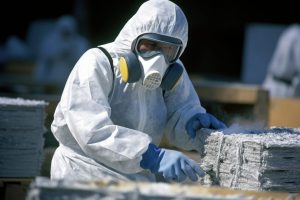
With the recently reported increase in the number of fatalities in the construction industry, it is often the occupational ill health problems that are rarely stated and hidden from the public gaze. Mike Slater, BOHS President discusses the silent killer, construction dust and how it puts workers at greater risk of ill health.
In May, a judge at Preston Crown Court handed down a £100,000 fine to Stonyhurst College and ordered it to pay £31,547.78 in prosecution costs after pleading guilty to a breach of the Health and Safety at Work etc. Act 1974. The fine was imposed after one of the college’s construction workers was exposed to high levels of silica dust, leading him to develop a potentially fatal lung disease. The Health and Safety Executive (HSE) found that he and other stonemasons employed by the college were exposed to up to 80 times the daily limit for silica dust. According to the HSE, the college did not take any measures to monitor or reduce the exposure of workers to the dust.
This tragic case illustrates how the failure to adequately control exposure to silica dust can have a serious impact on the quality of life of workers and can also have financial implications for their employers and damage their reputation.
What is construction dust?
Unfortunately silica isn’t the only type of dust that can cause ill health. In broad terms, “construction dust” covers silica, wood, demolition, marble, plasterboard and limestone dust. These dusts can occur as a result of carrying out activities like: cutting, grinding and sanding materials like concrete, tiles and wood etc. Some of the dusts workers are exposed to may be extremely fine, too fine to see in normal lighting and tiny enough to be breathed deep down into the lungs.
The problem occurs when exposure takes place over long periods of time, resulting in a number of occupational diseases including:
- Silicosis – an incurable lung disease as a result of inhaling silica dust
- Lung cancer – as a result of exposure to silica dust
- Nasal cancer – from inhaling certain types of hard wood dusts
- COPD – an obstruction of the airways, making the airways inflamed and narrowed
- Occupational asthma – directly linked to the working environment and is usually the result of exposure to substances known as respiratory sensitisers.
It is these long latency occupational diseases that are going unnoticed. So, although we hear reports about the tragic deaths of construction workers due to accidents at work, there are thousands of deaths caused by exposure to hazardous dusts in the construction sector that are hidden from the public gaze. Many employers may be unaware that their workers are exposed to hazardous concentrations of dust and even where they know about the risks, in many cases they are not managed and controlled effectively.
What is BOHS doing about construction dust?
The high level of ill health experienced by workers in the construction industry, and the lack of awareness of occupational ill health and occupational hygiene measures in the sector, are of deep concern to BOHS and we are determined to help employers tackle the problem. Working towards this, BOHS has partnered with Arco to produce the ‘Construction Dust An Expert Guide’ which is available on http://www.arco.co.uk/constructiondust and distributed in Arco branches across the country. The guide provides advice on reducing construction dust levels and minimising harm to construction workers.
Managing the risks
Where possible you must prevent employees from being exposed to hazardous dust. If the dust cannot be eliminated, then you must adequately control the risk. Workers are most at risk from common tasks including:
- Using a cut-off saw on kerbs, blocks, paving slabs, roof tiles and other concrete products
- Chasing, scabbling or grinding concrete
- Drilling or coring for long periods, particularly indoors
- Abrasive pressure blasting
- Cutting and sanding wood with power tools
- Sanding plasterboard jointing
- Dry sweeping
- Internal demolition and soft stripping.
Using science and engineering, occupational hygienists can help employers to control or eliminate such workplace hazards as dust and create a healthier workplace. Through good occupational hygiene practice, the risks workers face as a result of exposure to health hazards can be understood and managed.
Don’t let the silent killer of construction dust ruin construction workers’ lives. Engage an occupational hygienist who will be able to identify the risks and highlight how best to manage them. You can find an occupational hygienist using the BOHS Directory of Occupational Hygiene Services on: www.bohs.org/OHServices-directory/.
Related posts

HSM Newsletter
HSM publishes a weekly eNewsletter, delivering a carefully chosen selection of the latest stories straight to your inbox.
Subscribe here