



Safety on demand
AS WORKPLACE risks evolve, so too must the way businesses approach health and safety. Euan McIntosh explores the growing popularity of renting safety equipment and why greater flexibility, access to technology and changing workplace demands are reshaping the market.
Over the past decade, health and safety has evolved to become a strategic discipline supporting organisations through increasingly complex operational challenges. Projects are becoming more dynamic, workforces are more mobile and automation, artificial intelligence and connected technologies are transforming the way work is carried out.
At the same time, organisations are under increasing pressure to improve productivity, control costs and do more with fewer resources.
For health and safety professionals, this creates a difficult balancing act. They must ensure workers remain protected and safe while responding quickly to changing operational demands, new technologies and emerging risks.
One key consequence is a growing rethink of how safety equipment is procured, managed and deployed.
As a result, many organisations are reassessing whether traditional ownership models alone provide the flexibility needed to respond to evolving operational demands.
When ownership makes sense (and when it doesn’t)
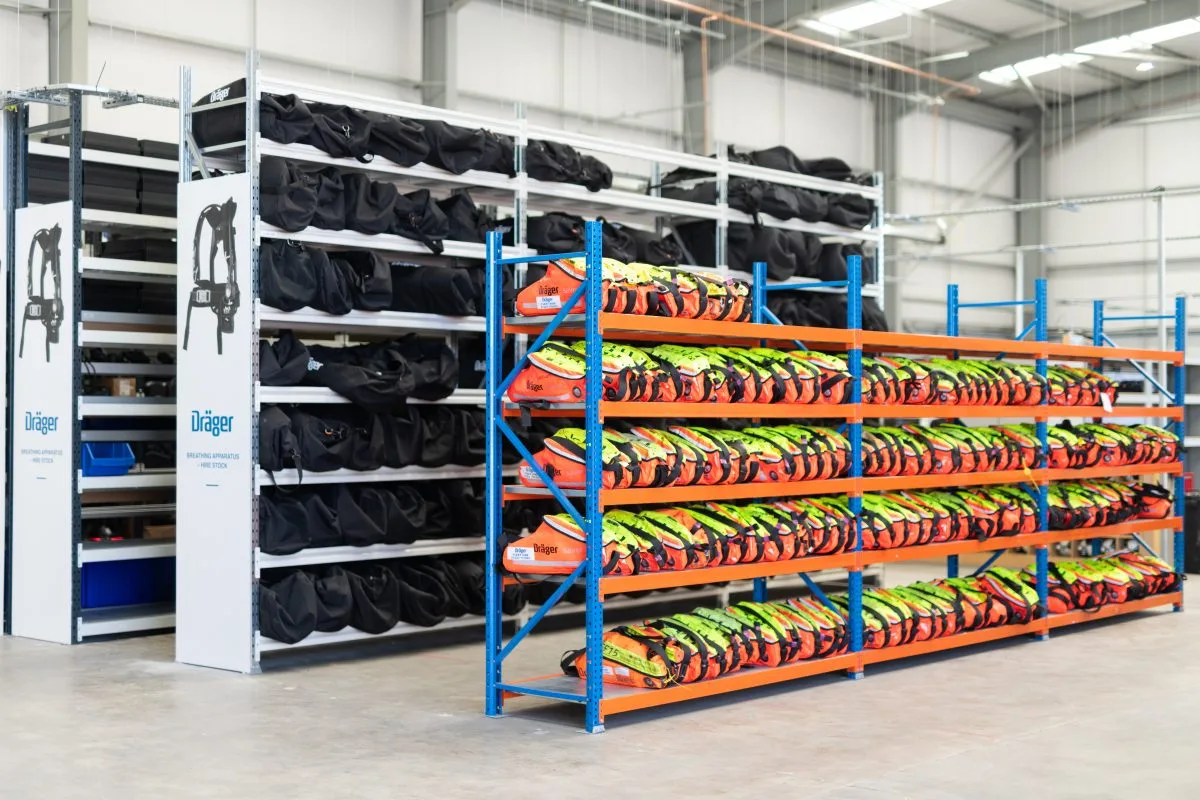
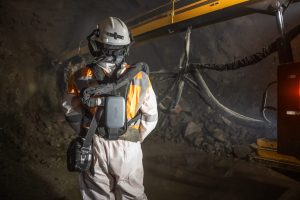
There will always be a strong case for owning safety equipment where demand is consistent and predictable. Day-to-day operations, routine monitoring activities and established safety procedures can all be supported effectively by a well-managed in-house fleet of equipment, whether this is portable gas detectors or breathing apparatus.
The challenge often comes when operational requirements change unexpectedly. Major projects, facility upgrades, shutdowns or maintenance programmes, site expansions or changing compliance requirements can all create sudden spikes in demand. Equipment fleets that are perfectly suited to everyday operations may quickly become stretched when additional people, locations or hazards need to be covered.
In these situations, organisations often face a choice: invest in equipment that may sit unused for long periods or find a more flexible way to meet changing requirements.
Scalability is now a business necessity
For modern-day health and safety requirements, scalability is no longer a nice-to-have. It is becoming an essential component of health and safety operations.
A project may need dozens of gas detectors one week and hundreds the next. A risk assessment or compliance review might identify a monitoring requirement that needs to be addressed immediately. A new contract or site mobilisation can demand additional protection measures at very short notice. The question is not whether demand will fluctuate, but whether safety provision can respond when it does.
The organisations that manage these challenges most effectively are increasingly those that build flexibility into their safety strategy from the outset. Rather than relying entirely on owned assets, they supplement them by ensuring they have access to equipment, expertise and support that can scale up or down as operational needs change.
Moving beyond reactive rental
Safety equipment rental has traditionally been viewed as a last-minute solution when equipment is unavailable or demand unexpectedly increases. However, that perception is beginning to change.
Rental models are increasingly being used as a strategic component of safety programmes rather than an emergency fallback.
The difference lies in planning and support. Instead of simply supplying equipment, a managed approach ensures that equipment is correctly specified, configured, calibrated and prepared for the intended application before it arrives on site.
This reduces the risk of delays, incorrect equipment selection and last-minute compliance issues. It also gives health and safety professionals access to specialist knowledge that can help identify the most appropriate solution for a particular task or hazard.
For those balancing compliance responsibilities alongside operational demands, that level of support can be just as valuable as the equipment itself.
Turning equipment data into actionable insight
One of the lesser-discussed advantages of this type of approach is the data it generates. Tracking equipment usage across projects can provide valuable insight into demand, as well as how safety assets are being used and which areas may require additional training or support. It can also reveal patterns in equipment damage, maintenance requirements and utilisation rates that are difficult to identify through traditional fleet audits alone.
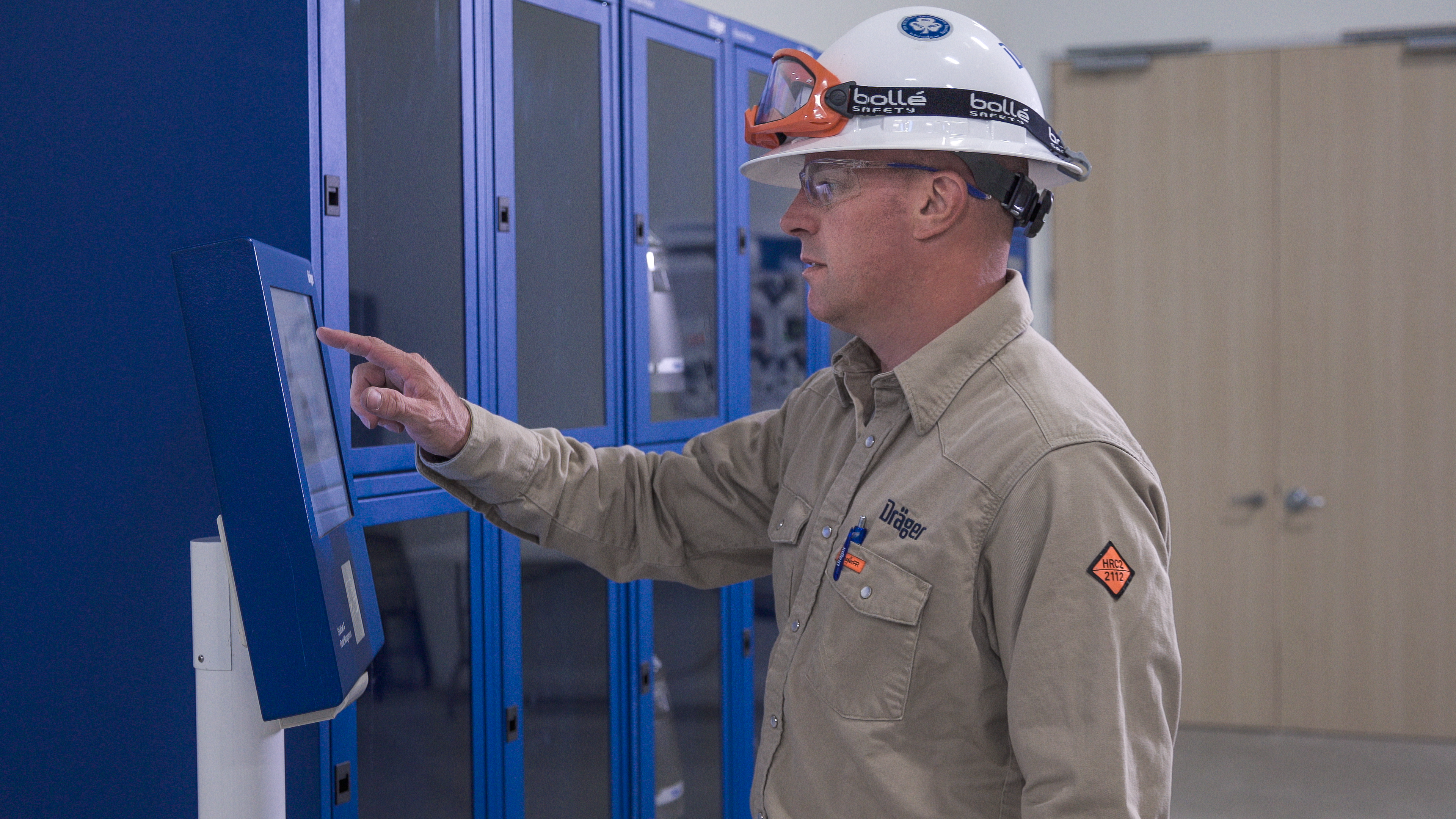
This information helps organisations move beyond simply meeting compliance requirements and towards a more proactive approach to risk management. As workplace technology becomes increasingly connected, many health and safety leaders are also looking for better visibility across their equipment fleets. Understanding where devices are located, how they are being used and whether they are ready for deployment is becoming an important part of operational decision-making.
Confidence remains the priority
While flexibility and scalability are increasingly important, they should never come at the expense of confidence. Health and safety professionals need absolute assurance that the equipment protecting their people is fit for purpose, properly maintained and configured for the hazards present.
The principle is straightforward: equipment should be ready to perform when it matters most. That means regular servicing, accurate calibration, full compliance and a verified state of readiness before deployment. Whether equipment is owned, rented or managed through a hybrid model, those fundamentals remain non-negotiable.
Connected safety
Looking ahead, integration is likely to become one of the defining trends in safety management.
Many organisations currently manage fixed gas detection systems, portable monitoring devices, breathing apparatus and other safety technologies through separate platforms. The next stage of innovation will increasingly bring these systems together, providing a unified, real-time view of equipment status, location, condition and usage.
In conclusion, the key challenge for health and safety professionals is no longer simply acquiring equipment, it is ensuring that safety provision can adapt as quickly as the risks and operational demands around it. Ultimately, the measure of an effective safety strategy is not simply whether the right equipment has been purchased. It is whether the right protection is available, in the right place, at the right time, and ready to work when it is needed most.
Euan McIntosh is safety technology lead at Draeger Hire. For more information, visit: www.draeger.com/en_uk/Safety/Services/Draeger-Hire?cid=pa-uk-2026-09-02-HSM-rental
Related posts
HSM Newsletter
HSM publishes a weekly eNewsletter, delivering a carefully chosen selection of the latest stories straight to your inbox.
Subscribe here