


Rising heat risk on site
AS THE UK experiences multiple periods of extreme heat this summer, construction businesses are being urged to make hot weather planning a standard part of site management rather than treating rising temperatures as a short-term disruption.
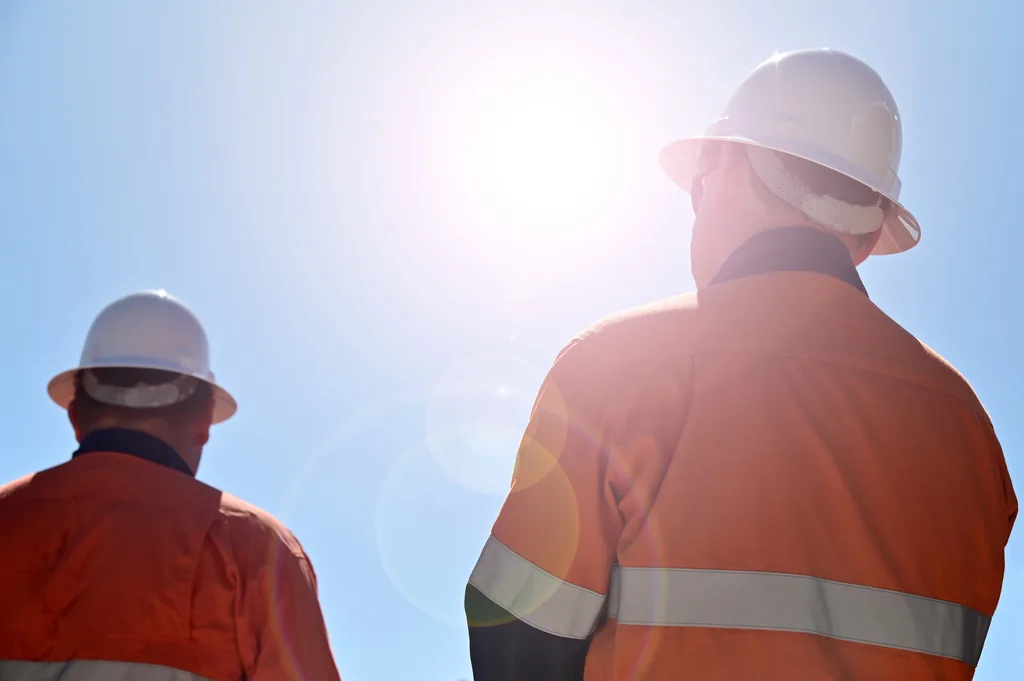
New research from the University of Reading found that 67% of construction workers are concerned about the effect heat is having on their health, while 44% said they had already experienced a heat-related illness such as dehydration, heat exhaustion or heat stroke.
The research also found that 87% of workers feel more tired in hot conditions and 61% struggle to concentrate, while almost half of construction managers reported delays caused by extreme heat.
Lauren Hickling, HSE Director at Travis Perkins, explains repeated heatwaves should encourage businesses of every size to reconsider how they prepare for periods of high temperatures.
“Hot weather is no longer something construction sites can afford to treat as a minor inconvenience. When temperatures remain high for several days, the impact can be felt across the whole site, from the health and concentration of workers to the way materials are stored, handled and used.
“Good preparation is about protecting people first, but it can also help contractors reduce mistakes, avoid damaged materials and keep projects moving safely when conditions become more challenging.”
Here, the experts at Travis Perkins share the practical steps contractors and site managers should consider as extreme heat becomes a more regular feature of the British summer.
Choose clothing and PPE carefully
PPE can increase the risk of heat stress because it can restrict airflow, reduce the evaporation of sweat and make it harder for the body to release heat. However, essential protective equipment should never be removed where it is required for the task.
Hickling says: “Whether you are managing a large site or working alone on a smaller job, staying cool should never come at the expense of safety. The priority is to check whether lighter or better-ventilated options are available that still provide the correct protection for the work being carried out.”
On larger sites, managers should review PPE requirements as part of the hot-weather risk assessment and consider whether approved lighter-weight alternatives are available. Teams wearing heavy or restrictive equipment may also need more frequent breaks, access to replacement PPE and somewhere suitable to change out of sweat-soaked clothing.
For sole traders and smaller teams, the same principles apply on a more practical scale. This could mean keeping spare lightweight workwear in the van, checking PPE before leaving for the job and planning extra breaks when working in hard hats, gloves or other restrictive equipment for long periods.
Loose-fitting, lightweight clothing can help workers stay cooler, while long sleeves and full-length trousers offer additional protection from direct sunlight. High-factor sunscreen should be applied to exposed areas such as the face, neck and ears and reapplied regularly, particularly after sweating.
Hard hats, safety footwear, gloves, high-visibility clothing and eye protection should always continue to be worn where required by the task and risk assessment.
Treat sun protection as part of site safety
Heat is not the only risk workers face during prolonged periods outdoors. The Health and Safety Executive identifies construction workers as an occupational group at risk from skin cancer because of the amount of time they can spend exposed to ultraviolet radiation.
This exposure can cause lasting skin damage even when temperatures do not feel especially high, which means sun protection should form part of everyday site safety rather than only being considered during a heatwave.
Hickling, says: “Sunburn may feel like a short-term problem, but the damage caused by repeated exposure can build up over time. Whether someone is working on a large development or completing an outdoor job alone, sun protection needs to be part of the preparation for the day.”
Workers should cover exposed skin with suitable lightweight clothing and apply a broad-spectrum, high-factor sunscreen to areas such as the face, ears, neck and hands. It should be applied before outdoor work begins and reapplied regularly throughout the day, particularly after sweating or wiping the skin.
Larger sites could provide sunscreen alongside drinking water and other welfare supplies, while sole traders and smaller teams should keep it somewhere easily accessible rather than leaving it inside a hot van or at the bottom of a toolbox.
Workers should also check their skin regularly and seek medical advice about any mole, mark or patch that changes in size, shape or colour, or does not heal.
Check materials, tools and equipment before work begins
High temperatures can affect how some construction materials perform, particularly products such as sealants, adhesives, coatings and bitumen-based materials. Heat can change their consistency, shorten working times or affect how they cure, especially if they have been stored in direct sunlight or inside a hot vehicle.
Contractors should check the manufacturer’s storage and application guidance before using temperature-sensitive products and avoid leaving them exposed on site for longer than necessary. Larger sites may need to review where materials are stored and schedule deliveries so products can be moved into a shaded, dry or ventilated area quickly.
For sole traders and smaller teams, this could be as simple as keeping products out of direct sunlight, avoiding prolonged storage in the van and only taking out the amount needed for the task. Materials should not be diluted, cooled or otherwise altered unless the manufacturer specifically advises it.
Tools, batteries and machinery should also be checked more regularly during prolonged hot weather. Cordless batteries and chargers should be kept out of direct sunlight and should not be charged inside an overheated van or enclosed space.
Hickling, adds: “When buying products during a period of hot weather, contractors should consider not only what they need for the job, but how the product will be transported, stored and applied once it reaches site.
“If there is any uncertainty about whether a product is suitable for the forecast conditions, or whether heat could affect its storage or application, speak to the team in branch and check the manufacturer’s guidance before purchasing. Taking a few minutes to ask the right questions can help avoid wasted materials, poor results and unnecessary delays later in the job.”
Make hot-weather planning part of standard practice
With repeated heatwaves placing greater pressure on construction sites, preparing for high temperatures can no longer be left until a warning is issued. Contractors should review working hours, rest arrangements, PPE, sun protection, materials and equipment in advance, so clear measures are already in place when conditions begin to change.
Hickling, says: “The businesses handling extreme heat most effectively are the ones planning before temperatures rise. They know which tasks can be moved, where workers can take a proper break, which products may need different storage and what signs of heat stress teams should be looking out for.
“Whether it is a large development or a smaller domestic job, building these checks into the normal planning process can help protect workers, reduce disruption and keep work moving safely throughout the summer.”
HSM Newsletter
HSM publishes a weekly eNewsletter, delivering a carefully chosen selection of the latest stories straight to your inbox.
Subscribe here