
Legal spotlight
KEVIN BRIDGES examines HSE’s proposed reforms to RIDDOR, including changes to occupational disease reporting, expanded diagnostic responsibilities and updated regulations designed to reflect modern working environments and emerging workplace risks.

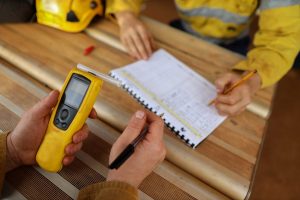
 The Health and Safety Executive (HSE) has published a public consultation on plans to update the current Reporting of Injuries, Disease and Dangerous Occurrences Regulations (RIDDOR). Part of the government’s commitment to ensure regulators and regulation supports growth, the proposals seek to cut back administrative burdens on businesses, updating the areas and type of risk for the first time in 13 years to reflect changes to both working environments and modern technology. They also make proposals for streamlining the reporting process.
Amongst the proposals are plans to expand the list of those able to formally diagnose a reportable occupational disease beyond the current requirements of a doctor registered to practice with the General Medical Council, to include a wider range of occupational health professionals.
The current list of six reportable occupational diseases is to be updated with the reintroduction of nine conditions from RIDDOR 1995, as well as expanding the list to include four new diseases. The decision to reintroduce certain diseases, including asbestosis, is said to be based on evidence of continued non-compliance in certain sectors. The reintroduction of those diseases will “enable better targeting of interventions in industries where these conditions are still prevalent”. Proposed new diseases are intended to capture health issues associated with new technologies and evolving work environments. They include noise induced hearing loss. However, although said to have been considered for inclusion, “at this time” work related stress and suicide are not included in the proposals, after the HSE said defining it in a consistent and reliable way was too difficult.
The exclusion of stress is interesting given the key focus of both the regulator and government on improving outcomes for workplace ill health and in particular for stress, depression and anxiety, with the clear expectation that employers will play a central role in achieving this aim. The reasons for exclusion underline the difficulties with identifying what exactly is included as workplace stress, depression and anxiety. Despite this, the consultation makes it clear that the HSE will “continue to monitor and address work related stress through other regulatory and policy tools”.
The list of dangerous occurrences is to be updated to reflect modern workplaces and risks, such as offshore wind farms, hydrogen generation and the use of new explosives and chemicals. Also to be included are tunnels and tunnelling activities, to ensure consistency with similar risks already in scope. Clarifications are also proposed, including to make it clear that structural collapse refers the collapse of any roof, ceiling, temporary works and trench collapses, and also to expand the provisions relating to wells.
The current reporting requirements have not kept pace with the changing nature of work or the workplace, which can lead to confusion, so updating guidance to bring it more up to date will be welcomed. Also to be welcomed is the general aim of the proposals to provide additional clarity for employers. However, care will have to be taken that attempts at clarification do just that and do not simply throw up additional, if different, queries. Duty holders will be particularly concerned that the proposals will place additional reporting duties on them at a time when resources are already tight. Clear guidance will be required.
The consultation is relevant across all sectors and industries. Responses are to be submitted by 30 June 2026, with the HSE keen to hear from all interested parties. Those impacted should take this opportunity to offer their views on both legislative and non-legislative changes. Stakeholder engagement, working through real life examples, will be crucial if the proposals are to achieve their aim.
Kevin Bridges is a partner and head of health and safety at Pinsent Masons. For more information, visit www.pinsentmasons.com
Related posts


HSM Newsletter
HSM publishes a weekly eNewsletter, delivering a carefully chosen selection of the latest stories straight to your inbox.
Subscribe here