

In the spotlight with Alan Murray
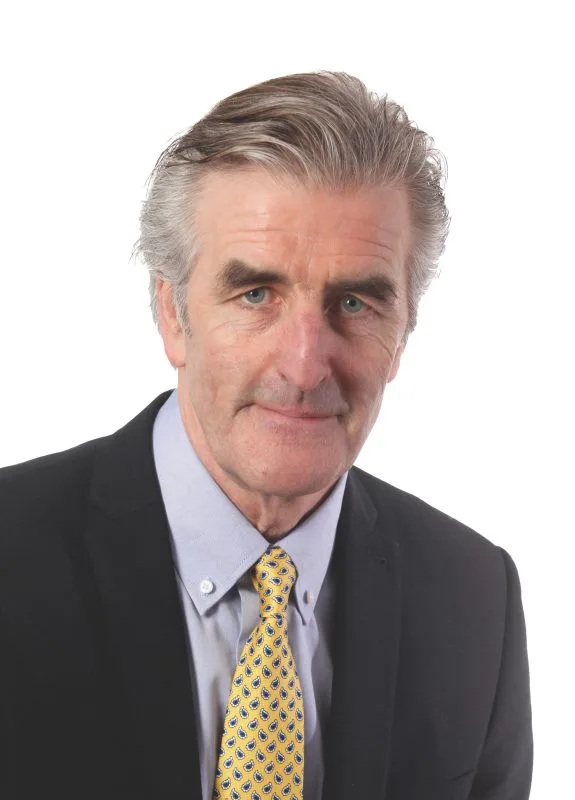
AS ALAN Murray steps into his new role as executive chairman of the British Safety Industry Federation (BSIF), we put him in the spotlight to explore his long and influential career in the health and safety industry, his reflections on the challenges ahead, and his hopes for the future of the sector.
How did you get into the health and safety industry?
I started my postgraduate career in sales and marketing with Kimberly-Clark, working on janitorial hygiene products—most notably the Kleenex brand. During that time, we launched a range of limited-life workwear aimed at the chemical-resistant and general-purpose markets. That move brought me into the health and safety sector.
In the late 1980s, this experience led me to join the London Rubber Company in 1990, working in the Marigold Industrial glove business, which focused on hand protection. I stayed there for about 13 years and eventually became Group Marketing Director. The role was international, and we established the business as experts in hand protection. By then, I was firmly rooted in the safety marketplace.
After a period working independently in the glove sector, I spent five productive years at Scott Safety, primarily involved in respiratory protection, breathing apparatus, and specialist PPE. I then joined BSIF in January 2014, as CEO.
Can you tell me about your new role at BSIF and how will it differ from your previous position as CEO?
I have now stepped down from the CEO role following John Hooker’s appointment in August. We’ve been working through a transition period, and I took on the role of Executive Chairman at the end of November 2025. The significant difference is that I am no longer be responsible for the day-to-day running of the business—a welcome change after working more than full time for 46 years. Instead, I will focus on strategic decision-making, providing support and continuity for the organisation.
I’ll remain directly involved in key strategic initiatives, including FitFit, which has become a major and rapidly expanding international activity for BSIF. I will also continue my involvement with Safety Groups UK, for whom BSIF provides the secretariat, and I’ll retain an interest in the BSIF Employer and Duty Holder Scheme. In addition, I plan to stay engaged with several of the Federation’s special interest groups.
What do you think are the biggest challenges facing the health and safety industry in the UK?
It depends on how you define the industry, but if we focus on supporting health and safety in the user marketplace—particularly occupational users—one major challenge is the shifting role of the Health and Safety Executive. For many years, HSE has been a strong and generally welcome regulator, but also an important educator. That educational role has reduced, creating a gap that organisations like BSIF need to fill. We must ensure people remain informed, supported, trained, and educated, and that’s a responsibility we’llincreasingly take on.
Reaching smaller organisations is another significant challenge. Larger companies generally manage health and safety well, but millions of people work in SMEs and microbusinesses where the messaging doesn’t always get through. Through BSIF’s Employer and Duty Holder membership and our strengthened communications strategy, we’re well positioned to support those organisations and help close that gap.
A further challenge is the prevalence of poor-quality PPE and the decisions people make when sourcing it. COVID accelerated the rise of digital channels—online marketplaces, social platforms, and other e-commerce routes—which now sell vast amounts of PPE. Ensuring users understand the importance of compliant, reliable PPE, and protecting them from inferior products that could put them at risk, is a major ongoing concern. BSIF has been tackling this issue for many years, and we continue to do so through our work on the Product Regulation and Metrology Act, helping to ensure that the secondary legislation is fit for purpose and provides proper protection for users.
What are the main strengths of the BSIF?
The BSIF’s greatest strength is its fantastic team of highly skilled individuals who work collaboratively with our membership and support the end-user marketplace. We consistently communicate about safety and good safety practices, and our special interest groups produce high-quality guidance that we promote and share at no cost to the market.
It’s hard to summarise all our strengths, but at the core is a dedicated team supporting a dedicated membership—both focused on improving safety. Altogether, it’s a first-class group working together to deliver exactly what a trade body should.
Why is the Registered Safety Supplier Scheme so important?
The Registered Safety Supplier Scheme is a key tool for anyone buying or specifying safety products. It ensures access to quality PPE through a competent and capable supply chain. My hope is that the scheme continues to grow from strength to strength and ultimately becomes an absolute requirement in the marketplace. Ideally, anyone sourcing safety products would look first—and only—to a Registered Safety Supplier. It’s a vital safeguard for the industry.
How can the sector attract more young and diverse talent?
A good starting point is recognising that health and safety deserves full visibility and respect at board level. We don’t often see PLC directors with direct responsibility for safety; it’s usually part of broader HR or operational roles. Elevating safety to a core boardroom responsibility would help create clearer career paths and signal its importance as a profession.
Younger generations also have different expectations—they want, and will demand, safe and healthy workplaces. To attract them into health and safety as a career, we need to ensure it’s seen as a value-adding discipline grounded in science and treated with seriousness and respect. It should be promoted as a long-term, rewarding profession.
Additionally, it would be beneficial to see more health and safety education embedded within further education colleges and even at school level, helping to build awareness and interest earlier in people’s careers.
Alan Murray is executive chairman of BSIF. For more information, visit www.bsif.co.uk
Related posts


HSM Newsletter
HSM publishes a weekly eNewsletter, delivering a carefully chosen selection of the latest stories straight to your inbox.
Subscribe here