


Getting Respiratory Protection right
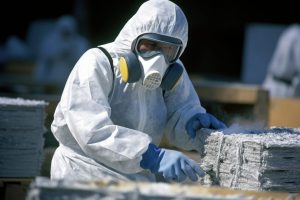
Present an employer with the problem of protecting staff from an airborne pollutant and the chances are their first thoughts will be to provide some sort of respiratory protective equipment (RPE), such as a dust mask. There is good reason for this. The “CE-marked” RPE available on the market meets certain legal minimum requirements for design and manufacture and, when properly worn, RPE can be a simple, portable means of reducing the amount of pollutants breathed in.
RPE is routinely used to provide protection against common workplace hazards such as airborne dusts, solvent vapours, gases and spray mists. It is particularly useful for workers who are mobile, working remotely or where workplace conditions are constantly changing, such as those encountered in the construction sector. RPE provides an additional level of reassurance when other forms of control, such as enclosures or extract ventilation, cannot be solely relied upon to give adequate protection.
At first glance, RPE seems a straightforward method of controlling exposure to workplace pollutants, however, RPE is only effective when correctly selected, properly worn and carefully maintained by trained staff.
Control of worker exposure to airborne pollutants must be achieved through good occupational hygiene practices, which prioritise elimination or substitution of a hazard, or engineered methods of control, such as local exhaust ventilation. HSE guidance requires RPE to be used only as a last line of protection against hazardous substances.
There are several reasons why RPE must be used as a last resort. One of the most important reasons is that RPE presumes on a worker wearing it properly all of the time. Experience dictates that this is a high expectation. If the RPE is not worn properly, the worker is exposed to the hazardous agent. The diseases that can arise from breathing in airborne pollutants, such as silicosis from construction dust, often take years to appear so staff may not be aware of the harm being done when they don’t use their RPE properly.
The selection of the right type of RPE is crucial. A mask specified for protection against dust will not protect against solvent vapours or gases. Different types of RPE afford different levels of protection. The selection must not only account for the amount of airborne pollutant likely to be present but also how toxic the pollutant is and what effect it can have. Also, it is important to consider the working environment. For example, in hot surroundings a fan powered respirator may be much more suitable than a tight fitting rubber mask. Great care needs to be taken to get all of this right and professional occupational hygiene advice may be required.
RPE will be an important feature of worker protection for the foreseeable future. RPE may appear a relatively straightforward means of exposure control, but we must consider its limitations and the reasons why it has its place in the hierarchy of control priorities. Protecting workers health is a holistic endeavour, with RPE being just one strand of an occupational hygiene management programme.
Kelvin Williams BSc (Hons) DipOH CMFOH
Chartered Occupational Hygienist, BOHS Member
www.kelvinwilliams.co.uk
Related posts

HSM Newsletter
HSM publishes a weekly eNewsletter, delivering a carefully chosen selection of the latest stories straight to your inbox.
Subscribe here