



Every breath you take: Preventing occupational asthma
Even though the Health & Safety Executive (HSE) statistics for 2012/13 have shown an overall decrease of occupational asthma cases in the UK over the past 10 years, there are still a relatively high number of new cases reported each year. Chris Beach, Chartered Occupational Hygienist and BOHS member puts occupational asthma under the spotlight.
Each new reported case of occupational asthma brings misery and possible loss of employment to the individual, and yet with the correct controls in place is entirely preventable. In 2012, 179 new cases were seen by consultants and occupational physicians, an increase from 148 in 2011.
These numbers are deemed an underestimate for several reasons, such as not all cases are considered serious enough to be reported to an occupational physician, and some individuals do not want to be diagnosed for fear of losing their job. In fact, a report published in 2013 by the journal, Thorax, suggests exposure to substances at work is a factor in one in six cases of adult-onset asthma among British people in their mid-50s.
What is occupational asthma?
Asthma is characterised by periodic attacks of wheezing, chest tightness or breathlessness resulting from constriction of the airways. The large airways have cartilage to support them, but the smaller airways, the bronchi and bronchioles are just muscular tubes. During an asthma attack the muscle wall contracts and the lining of the airways becomes swollen and inflamed causing the airways to narrow. The secretion of excess mucous may further exacerbate this narrowing. Occupational asthma is caused directly by work and is usually the result of a reaction that can occur when an individual is exposed to respiratory sensitisers such as paints, varnishes, fumes and dusts. These inhaled into the lungs over a long period of time can cause asthma symptoms and can prevent people from doing the simplest of tasks. Occupational asthma can be a serious condition leading to severe chronic asthma if exposure to harmful substances continues.
Isocyanate is the biggest single cause of occupational asthma in the UK and vehicle paint sprayers are the work group at greatest risk. It is estimated that this group is 80 times more likely to suffer occupational asthma than the average UK worker.
However the Health and Safety Executive have published a list of over 40 asthmagens, substances that can cause occupational asthma. These substances range from common chemicals such as isocyanates, chromium (VI) compounds, rosin-based solder flux fume and glutaraldehyde to naturally occurring substances such as hardwood dust, flour dust, henna (a plant derived dye used to colour hair) and latex to proteins and other material from animals such as cockroaches, cows, crustaceans, fish and eggs.
So it can be seen from the list of asthmagens that therange of workers at risk from developing occupational asthma include agricultural workers, bakers, woodworkers, hairdressers, health care workers, solderers, food processors etc, etc.
Protecting workers from Occupational Asthma
Under the Control of Substances Hazardous to Health (COSHH) Regulations, employers are required to substitute hazardous substances for less harmful products if this is reasonably practicable. If this isn’t possible, employers must implement adequate control measures.
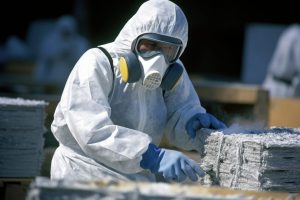
If as an employer you purchase chemicals for use at work then it is important that you look at the material safety data sheet which must be supplied with the chemical. If it contains the risk phrase R42 (which will be replaced by H334) this indicates that the substance may cause allergy or asthma symptoms or breathing difficulties if inhaled. But remember not all asthmagens are purchased materials. Look carefully at all the substances your employees are exposed to, even if they are naturally occurring substances and decide if they are likely to cause asthma. Then look at the environment in which the substance is used or encountered. A sealed paint spray booth may protect the surrounding area but the employee working in there will need respiratory protection. A solderer working at a bench in an open workshop may need on torch local exhaust ventilation. The baker using flour to create mouth watering delicacies which are perfectly safe to eat must be trained not to cause a breathing hazard by throwing flour across the working surface. There are many solutions available from engineering and administrative controls to respiratory protection and simple commonsense.
Occupational hygienists are the experts in the assessment and control of the working environment and hence in disease prevention. They specialise in assessing the risks associated with hazards, measuring worker exposures to these risks and in proposing practical solutions for employers to put in place which will control or even eliminate the risks. Occupational health needs to be tackled through a partnership approach. Workers, Trade Unions, industry groups, health and safety professionals and senior management need to be involved to ensure a healthy working environment is created for all.
Related posts

HSM Newsletter
HSM publishes a weekly eNewsletter, delivering a carefully chosen selection of the latest stories straight to your inbox.
Subscribe here