In the spotlight with David Bishop
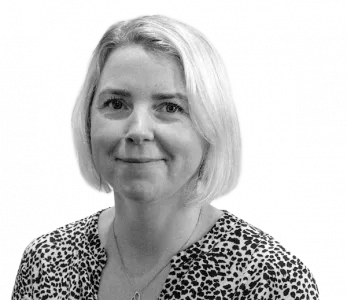
DAVID BISHOP, event director of The Health & Safety Event, has spent decades bringing the health and safety community together. Following his recent Lifetime Achievement Award at the Safety & Health Excellence Awards, he reflects on an unexpected career in the industry, the importance of lasting client relationships and why creating opportunities for the health and safety community remains the most rewarding part of his role.
How did you get into the health and safety industry?
By accident — or perhaps fate! I was working in advertising within the building and construction sector, with Hughes Brennan, Ascent and Centaur, when I met Ken Barnes, who had worked on the first incarnation of IFSEC for Victor Green.
Ken had started a business called Paramount Publishing and had just launched a series of events: Securex, Firex and Safety & Health at Work. They were initially held at Sandown and, after agreeing to join Paramount with Tony Bond, we quickly grew the show. It moved to Olympia and then to Earls Court 2, where it really took off.
In many ways, this brought about the demise of the established RoSPA event at the NEC. Ironically, we were then bought by Miller Freeman, which had also acquired RoSPA, so in 2000 the two shows became one at the NEC.
What do you enjoy most about your job?
Without doubt, it’s the client relationships, and many of these have lasted throughout my entire career.
The biggest satisfaction is when a customer says thank you because they’ve had a great event and created new business relationships and opportunities. I’m often asked if I know someone who produces a particular product or has expertise in a certain area, so it’s always great to be able to facilitate those introductions.
Our industry is genuinely very good at sharing information and expertise for the benefit of everyone.
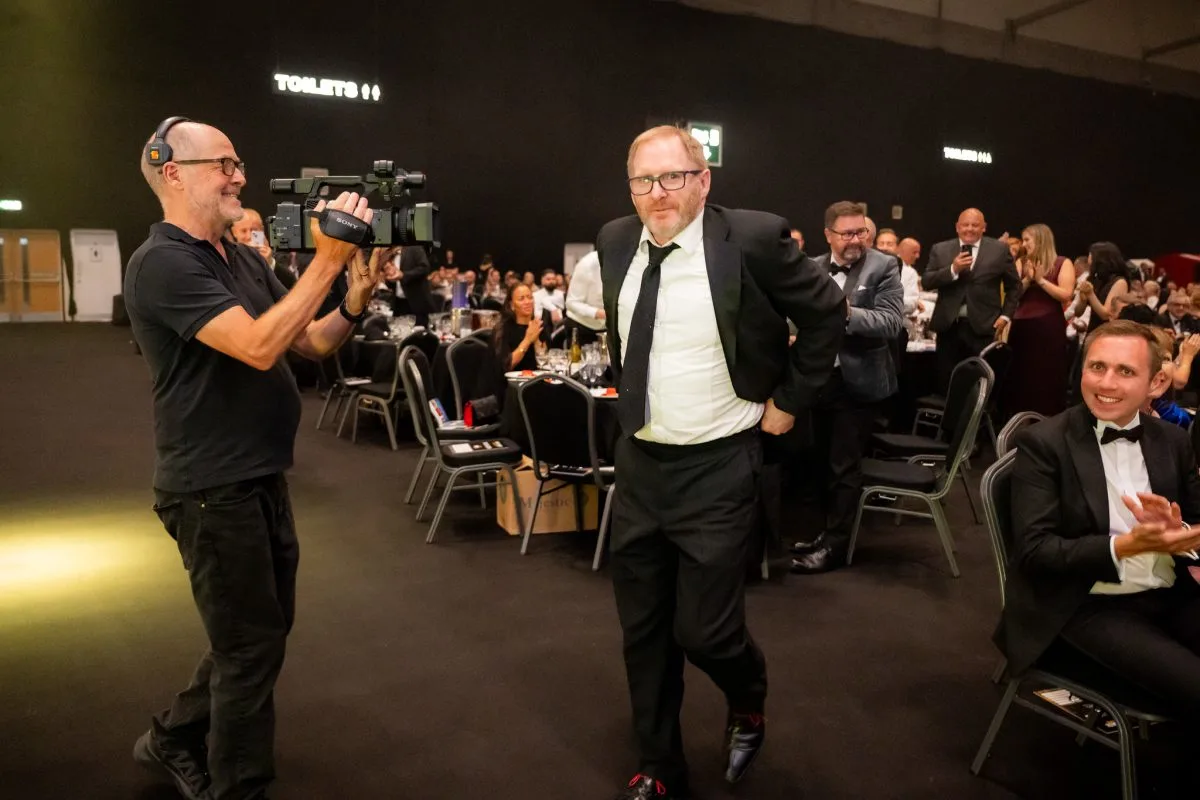
You recently won the Lifetime Achievement Award at the Safety & Health Excellence Awards. What does receiving this recognition mean to you?
Apart from being a reminder that I’ve been around for a while! The most flattering aspect is being recognised by your peers, rather than simply filling in a form and entering yourself.
It was a complete surprise and, personally, I felt it was undeserved. Ultimately, all I do is build a platform for the health and safety community to come together and champion what is so good about the UK health and safety industry.
What do you think are the biggest challenges facing the health and safety industry in the UK?
Long-term ill health trends are worsening, with conditions such as hearing loss and other occupational illnesses highlighting the need for proactive health monitoring. I think we still see far too many examples of workers, especially in SMEs, not taking the necessary precautions when working on things like road repairs or electricians chasing out walls for wiring, without taking the necessary respiratory precautions.
Stress, mental health and suicide are also major concerns. The UK is expected to introduce mandatory psychosocial hazard assessments by 2029, reflecting the growing recognition of work-related stress as a serious issue.
A coroner recently suggested that a death at work was “materially contributed” to by the employer, in this case HM Treasury. Chloe Moffat was only 26 but tragically died following an unexpected meeting with managers, where she was accused of sharing information of a personal nature, which she denied.
Protocols were flawed and not followed, so this is the tip of an iceberg which, if RIDDOR were amended to include suspected work-related suicide, could enter the health and safety reporting system. This would allow the HSE to decide whether it should be investigated and, crucially, allow us to start counting these deaths.
The Hazards Campaign estimates that around 600 suicide deaths each year in the UK are work-related, but we don’t know for certain because we don’t routinely record them.
The ever-increasing role of Artificial Intelligence is another significant development.
AI is already transforming the industry by helping organisations identify risks earlier, prevent incidents, improve compliance and make better-informed decisions. Rather than replacing safety professionals, AI is increasingly being used as a tool to enhance their effectiveness and enable more proactive safety management.
However, as with a lot of technology and data-driven analytics, it requires quality information.
What sets The Health & Safety Event apart from its competitors?
Leading on from the question above, we have a packed three-day event, so we are able to offer the longest and most comprehensive programme. It truly reflects the scope of the industry.
What are your most memorable successes at The Health & Safety Event?
Building the event from a small regional show in 2018 to an all-encompassing national event which truly represents the scope of this fantastic industry.
As one of our key founding partners said to me, “The UK has got its flagship event back.”
We have established that we are constantly striving to keep improving, and we have managed to do this. The event has consistently grown by approximately 20% per year and we now have a show of almost 20,000m², 300+ exhibitors and 13,000 attendees.
What’s your vision for the future of The Health & Safety Event?
One of the greatest challenges is trying to accommodate all the topics that need to be covered, while not ignoring the takeaways that health and safety professionals need to have information on today.
Looking at the future of health and safety is extremely interesting and exciting. For example, AI and computer vision systems will be able to monitor worksites in real time to identify hazards and improper use of PPE. However, we also need to focus on updating professionals on standards, compliance and legislative changes.
The future for the show is about trying to encompass all of this, while continuing to develop the marketplace.
What health and safety issues are you most passionate about?
- Working at height
- Lone working
- Driver safety
- Comfortable, functional and stylish PPE
How can we entice more young talent to work in the health and safety sector?
I think it’s a bit of a mixed picture, as I do see younger people attending the show, as well as more women.
While health and safety is not typically a ‘first-choice’ career for many young people in the UK — traditionally, people have moved into it from engineering, manufacturing, construction and facilities management — there is growing interest among younger generations, particularly when they discover the profession’s wider impact on wellbeing, sustainability, mental health and creating safer workplaces. These are subjects that weren’t so recognised when I was younger.
IOSH has commented that interest is growing through apprenticeships and alternative routes, especially the Level 3 Safety, Health and Environment Technician apprenticeship in England, which has seen increasing demand. IOSH has also reported that the average age of its global student membership has fallen in recent years, so younger people are clearly being attracted to the profession.
Health and safety has always offered job security, flexibility and career potential, and wages have been consistently improving. Moreover, it is a job that is meaningful and has a positive impact on others.
However, the profession still has an image problem in the UK, as many young people see health and safety as bureaucratic paperwork or associate it with outdated stereotypes. As a result, relatively few UK practitioners originally chose it as their first career choice.
It needs a sustained PR and marketing drive!
David Bishop is event director at The Health & Safety Event. For more information, visit www.healthandsafetyevent.com
HSM Newsletter
HSM publishes a weekly eNewsletter, delivering a carefully chosen selection of the latest stories straight to your inbox.
Subscribe here