


Do you need a waking watch service?
FACILITIES MANAGERS face growing scrutiny over fire safety, especially when systems are under repair or have failed. Even without a permanent fix in place, waking watch can be used as an interim safeguard to protect occupants and maintain regulatory compliance. This guide explains when and why a waking watch, or alternatives like fire watch, may be required for your building.
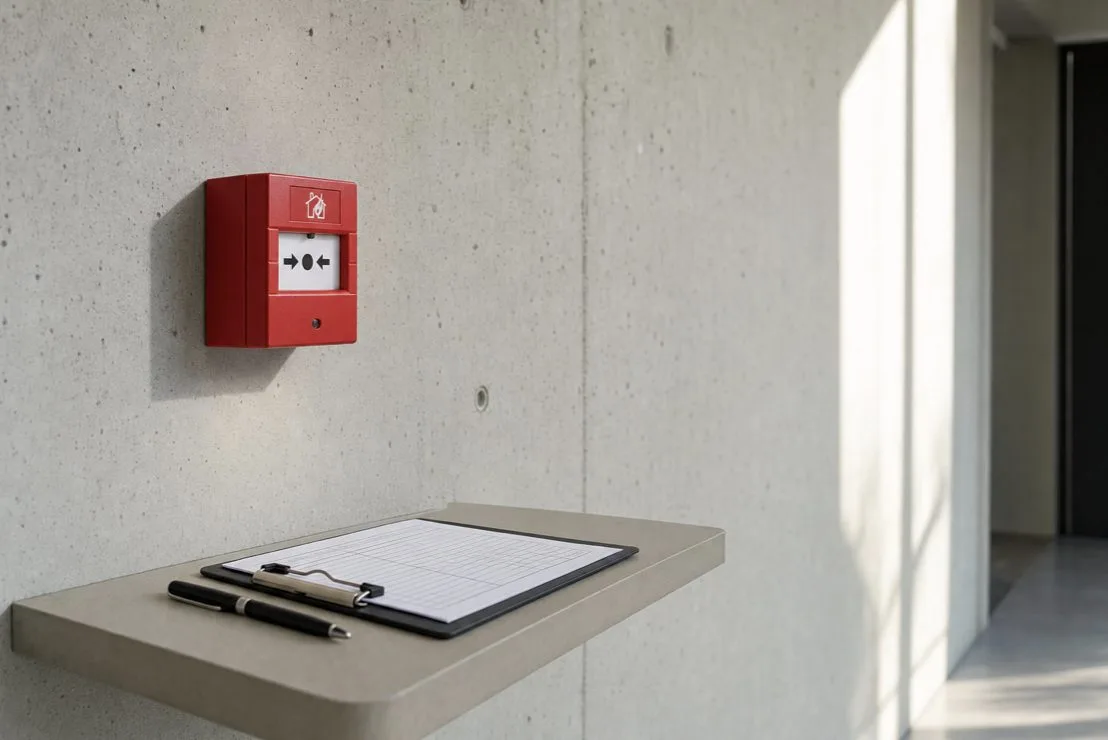
Fire safety continues to be a critical concern for facilities managers as building regulations evolve and the risks of incidents remain ever-present. When key safety systems such as fire alarms, compartmentation, or escape routes are compromised, facilities managers must act quickly to safeguard people on site. Engaging a waking watch service can provide on-the-ground monitoring until full protection is restored. This article explores the key factors that determine whether your building needs a waking watch, outlines what the service involves, and discusses alternatives like fire watch to support compliance and occupant safety.
What is a waking watch and when is it needed?
A waking watch involves trained staff conducting regular patrols throughout a building to look for signs of fire or smoke when automatic detection systems are out of action. This interim measure is particularly relevant in high-rise residential buildings or any situation where evacuation routes could be threatened. Facilities managers must assess if their fire detection systems are compromised and if so, whether a waking watch will mitigate risk enough to keep people safe.
The decision to use a waking watch should follow a thorough review of the building’s risks, layout, and occupancy. In many cases, a waking watch is required by local authorities or in response to findings from a fire risk assessment. This service supports evacuation plans by enabling rapid detection and alert, especially during periods of heightened risk. Reviewing all risk factors and operational needs will help determine the necessity of this intervention.
The difference between waking watch and fire watch
Though closely related, waking watch and fire watch serve distinct purposes in fire safety management. Waking watch is primarily active monitoring for early warning in residential or high-occupancy buildings, while fire watch often focuses on overseeing high-risk areas during works such as welding or hot works, or when alarm systems are temporarily paused.
Choosing between waking watch and fire watch depends on specific hazards and the nature of the building. Facilities managers should analyse the scale of risk, types of activities, and the duration of system impairment. Having a clear understanding of each solution ensures the right level of cover and regulatory compliance at all times.
Implementing a waking watch service effectively
Successfully establishing a waking watch service requires clarity of roles, thorough staff training, and up-to-date documentation. Facilities managers need to ensure patrols are structured so every part of the building is regularly checked, and detailed logs are kept for compliance and accountability. These measures support a transparent and robust approach to occupant safety during system outages.
Clear communication with residents, staff, and contractors is vital, so everyone understands the purpose and scope of the approach, including any short-term fire watch arrangements in specific areas. Notices or briefings should explain how and why the service is being provided, along with any changes to normal evacuation procedures. A coordinated strategy ensures the service complements wider risk controls without introducing confusion or disruption.
Reviewing interim measures and returning to standard controls
Temporary solutions such as a waking watch or fire watch should be subject to regular review. Once repairs are complete or fire systems are restored, facilities managers must update risk assessments to determine whether these interim services are still required. With fire safety continuously monitored, a return to standard procedures should occur promptly and be clearly communicated to all building users.
Regular reviews and open dialogue with authorities, insurers, and building occupants help maintain confidence in fire safety management. The decision to end or continue a waking watch service should always be carefully recorded, ensuring your approach remains proportionate and aligned with the latest guidance and operational needs.
HSM Newsletter
HSM publishes a weekly eNewsletter, delivering a carefully chosen selection of the latest stories straight to your inbox.
Subscribe here