

Confined space entry: 7 key questions
WITHIN INDUSTRIES such as construction, utilities, manufacturing, water treatment and infrastructure maintenance, confined spaces present some of the most hazardous working environments. While employers are becoming more aware of the risks associated with confined spaces, incidents do still happen, often because the right questions were not asked before work began.
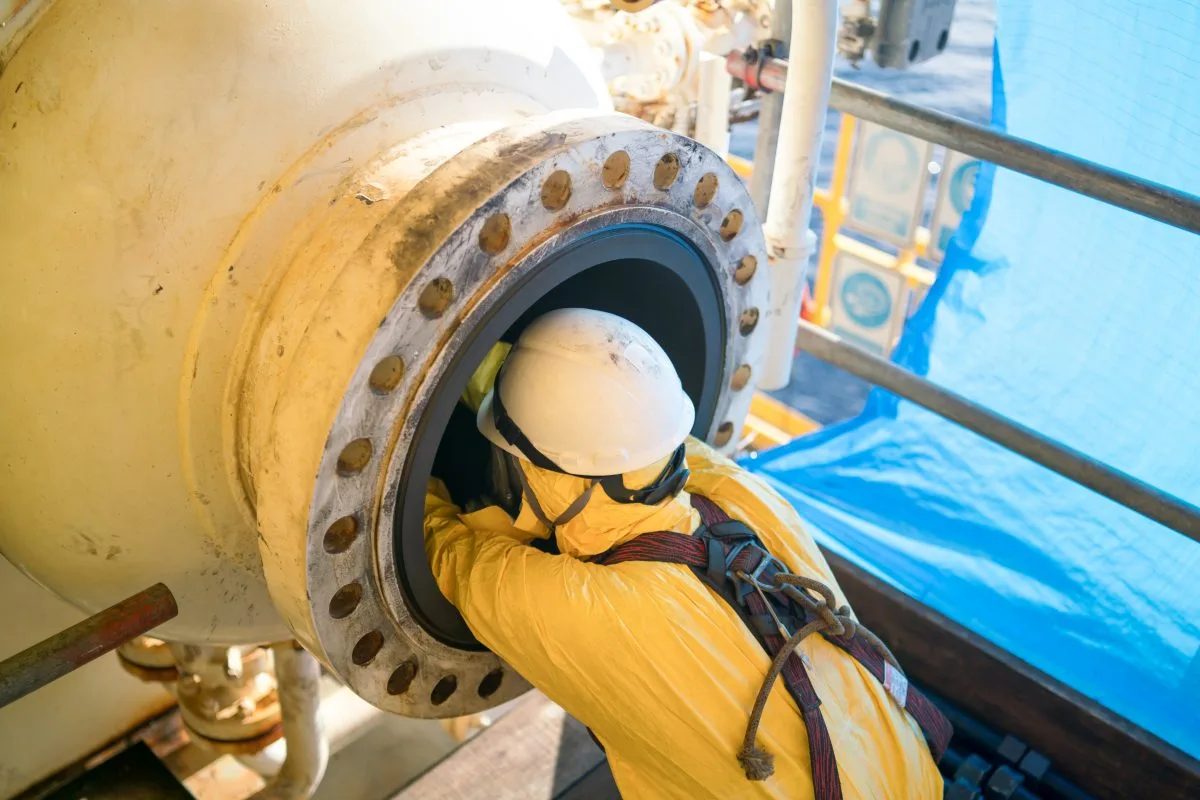
The consequences can be severe. Atmospheric hazards, flooding, fire, explosion, entrapment and restricted means of escape can all present life-threatening risks. In many cases, incidents are entirely preventable through proper planning, risk assessment and preparation.
Before authorising any confined space entry, employers should ensure they can confidently answer the following seven questions.
1. Does anyone need to enter the space?
The first question should always be whether entry can be avoided altogether.
The Confined Spaces Regulations place a clear emphasis on avoiding entry where reasonably practicable. Advances in technology are making this easier, with many inspections, surveys and maintenance activities now capable of being carried out remotely.
Employers should consider whether the task can be completed using:
- CCTV inspection equipment
- Remote monitoring systems
- Drones or robotic devices
- Long-reach tools
- Alternative maintenance methods
If there is no need for entry, the risks associated with confined spaces are removed entirely. Too often, organisations move straight to planning the work without first challenging whether entry is actually necessary.
2. Have all hazards been properly identified?
No two confined spaces are exactly alike.
A storage tank, sewer, pumping station, utility chamber and underground vault may all be classed as confined spaces, but the potential hazards in each space can vary significantly.
A thorough risk assessment should identify all foreseeable dangers before work begins. These may include:
- Oxygen deficiency
- Toxic gases or vapours
- Flammable atmospheres
- Engulfment by liquids or solids
- Mechanical or electrical hazards
- Biological contaminants
- Extreme temperatures
- Restricted access and egress
Relying on basic or generic risk assessments can mean critical hazards get missed. Every confined space should be assessed on its own merits, taking into account both the environment and the specific work being undertaken.
3. Is the atmosphere safe to enter?
Atmospheric hazards are one of the leading causes of confined space fatalities.
Dangerous conditions are often invisible and may not produce any obvious warning signs. Oxygen-deficient atmospheres, toxic gases and flammable vapours can all develop quickly and without notice.
Before anyone is authorised to enter a confined space, employers should ensure that thorough atmospheric testing has been carried out and that suitable monitoring arrangements are in place.
This may involve testing for:
- Oxygen levels
- Carbon monoxide
- Hydrogen sulphide
- Methane
- Flammable gases
- Other site-specific contaminants
It’s important to be aware that atmospheric conditions can change during the course of work. Continuous monitoring may therefore be necessary rather than relying solely on pre-entry testing.
Understanding the risks and using appropriate gas detection equipment can play a vital role in protecting workers throughout the task.
4. Are workers properly equipped for the task?
It’s not enough just to provide equipment. Employers must also ensure it is appropriate, maintained and fit for purpose.
The equipment required for confined space work should be determined by the findings of the risk assessment rather than a standardised approach.
Depending on the environment and task, this may include:
- Gas detection equipment
- Harnesses and retrieval systems
- Tripods and winches
- Breathing apparatus
- Communication systems
- Protective clothing
- Intrinsically safe lighting
Equipment should be inspected, tested and maintained in accordance with manufacturer recommendations and relevant regulations. Faulty or poorly maintained equipment can create additional risks and compromise emergency response arrangements.
Before authorising entry, employers should be satisfied that all equipment is available, suitable and ready for use.
5. Is there a suitable rescue plan?
One of the most important questions employers can ask is what will happen if something goes wrong.
A common misconception is that emergency services will provide the rescue capability if an incident occurs. In reality, employers are expected to have confined space rescue arrangements in place before work begins.
Rescue planning should consider:
- How a casualty would be located
- How they would be recovered
- The time required to carry out the rescue
- The equipment needed
- The competence of rescuers
- Communication arrangements
- Whether rescue capability will be provided in-house or by a specialist external rescue team
For some organisations, particularly where confined space entry is infrequent or involves higher-risk environments, engaging a specialist confined space rescue provider can help ensure suitably trained personnel, dedicated rescue equipment and site-specific emergency arrangements are available throughout the work.
Where external rescue teams are being used, they should be involved in planning activities before work begins, allowing them to assess site conditions, review access and egress arrangements and familiarise themselves with the specific risks associated with the confined space.
6. Are the people involved competent?
Competence extends beyond simply holding a training certificate.
Workers involved in confined space operations must understand the risks associated with the environment, the procedures being followed and the actions required in an emergency.
Employers should consider:
- The level of training received
- Previous experience
- Familiarity with the specific site
- Understanding of rescue procedures
- The competence of supervisors and rescue personnel
Regular refresher training and practical exercises can help ensure skills remain current and that personnel retain confidence in applying their knowledge when required.
A well-trained workforce is one of the most effective safeguards against confined space incidents.
7. Has the permit-to-work process been properly completed?
The permit-to-work process provides a final opportunity to verify that all necessary precautions have been implemented before entry takes place.
Unfortunately, permits can sometimes become a routine administrative exercise rather than an effective safety control.
Before signing off a permit, employers should ensure that:
- Hazards have been identified and assessed
- Isolation procedures have been completed
- Atmospheric testing has been undertaken
- Rescue arrangements are in place
- Communication systems have been checked
- Appropriate equipment is available
- Personnel are competent and authorised
A robust permit-to-work system helps ensure that nothing has been overlooked and provides a clear record of the controls established for the task.
Taking a proactive approach to confined space safety
Confined space safety begins long before anyone enters the space itself.
By taking the time to ask the right questions and challenge assumptions, employers can significantly reduce risk and create safer working environments for everyone involved. Effective planning, appropriate equipment, competent personnel and robust rescue arrangements all play a crucial role in preventing incidents and protecting lives.
When it comes to confined space work, preparation is not simply good practice; it is one of the most important safety measures an organisation can take.
For more information, visit https://civilsafety.co.uk/
HSM Newsletter
HSM publishes a weekly eNewsletter, delivering a carefully chosen selection of the latest stories straight to your inbox.
Subscribe here