
Why workplace safety starts with the right lifting equipment
IF YOU work in premises that use lifting equipment, understanding the different health and safety requirements is a must to keep employees safe, ensure other assets remain in good condition and avoid long-term costly issues.
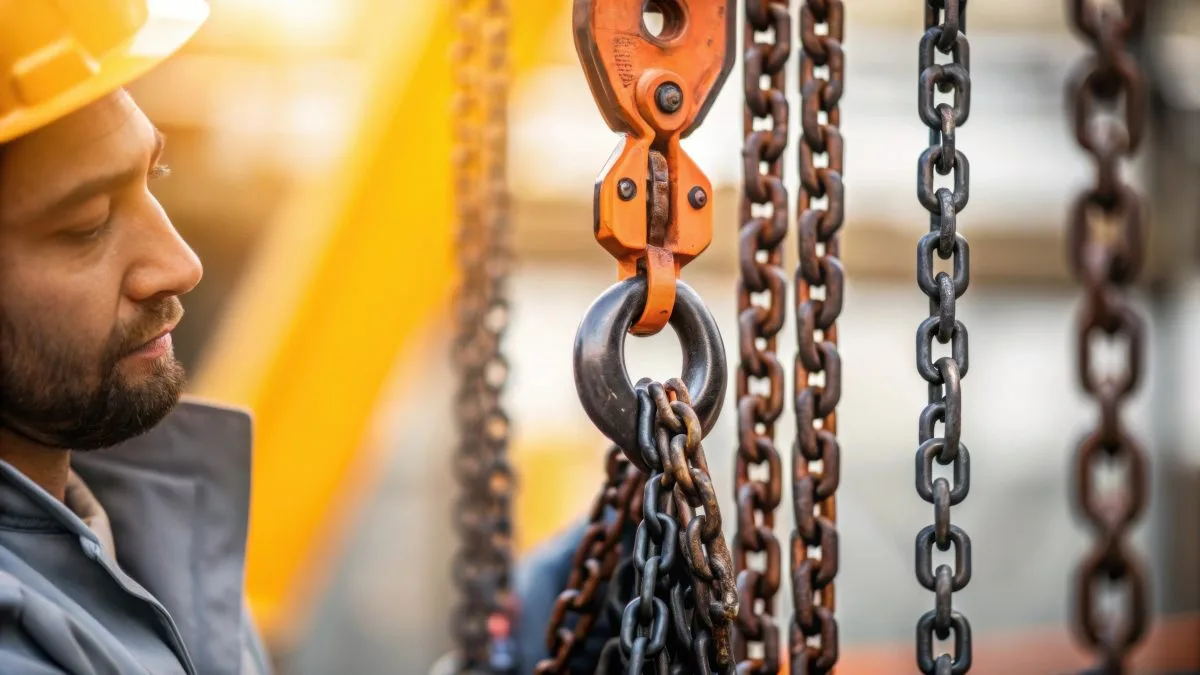
The right lifting equipment is part of the foundation that makes up a safe working environment, and this blog explores the problems that can happen with poor lifting practices, how to improve safety and what to look for to find the ideal lifting equipment.
The risks of poor lifting practices
Even the lightest of loads using the wrong lifting equipment can cause devastating injuries. Manual lifting especially can cause strains, sprains and over time, lead to long-term musculoskeletal conditions. According to a 2026 study, 13% of all injuries in the warehouse sector was from poor manual handling. Those working in picking and packing roles were especially impacted by repetitive, strenuous tasks which caused acute injuries as well as developed long-term issues.
These injuries can be narrowed down to either improper or outdated lifting equipment. For example, someone may be repeatedly handling materials without support from ergonomic lifting aids, or the condition of a lifting hoist may be adding more strain onto manual movement.
How the right equipment improves safety
Workers using the right lifting equipment, even for seemingly simple and quick tasks, is the difference between easy lifting and injury. Your lifting equipment should support and never exceed load-bearing requirements. Also, purpose-built equipment with automated features helps reduce physical strain, as well as offer improved precision, control and stability, all enhancing safety. Using the appropriate lifting tools and not cutting corners reduces human error, which can lead to equipment breaking and workplace injuries.
Key features to look for in safe lifting equipment
There are several key features you need to look out for to ensure lifting equipment and procedures remain safe. Firstly, you need to check if they meet certification standards and comply with LOLER (Lifting Operations and Lifting Equipment Regulations). Equipment will be marked and must be used by trained personnel as well as be regularly inspected to comply.
Inspections and maintenance are crucial to minimise the risk of faults which could lead to costly repairs or worse, disastrous accidents. Ergonomic lifting equipment is a good thing to acquire, as it not only reduces the risk of strain and injury, but also improves efficiency in tasks and overall productivity.
Matching equipment to the job
Different lifting tasks demand carefully chosen solutions, not generic tools. The weight, shape, frequency and environment of a lift all influence what equipment is appropriate.
For example, a warehouse may rely on pallet trucks or forklifts, while a construction site might require cranes or hoists. Healthcare settings often use patient lifting aids designed for safety and dignity. Trying to apply a one-size-fits-all approach can increase risk and reduce efficiency. Instead, businesses should evaluate each task individually and consult experienced suppliers or safety experts to ensure equipment is fit for purpose and compliant with relevant standards.
The role of training and proper usage
Even the best lifting equipment is only effective when used correctly. Proper staff training is essential to ensure safe handling, correct operation and awareness of potential hazards. Employees should understand not just how to use equipment, but why procedures matter. Performing risk assessments and planning every lift is a critical step in identifying hazards before work begins. Clear communication and adherence to safe systems of work reduce the likelihood of accidents.
This responsibility is shared, as employers must provide training and resources, while employees must follow this guidance and use equipment properly to maintain a safe working environment.
Long-term benefits of investing in the right equipment
Choosing the right lifting equipment delivers measurable long-term advantages, no matter the type of goods lifted or the sector you work in. Businesses often see reduced injury rates, which leads to fewer absences and improved staff wellbeing. Efficient equipment also streamlines workflows, saving time and increasing productivity.
On the financial side of things, fewer accidents can result in lower insurance premiums and reduced compensation claims. Beyond the numbers, investing in proper lifting equipment helps build a strong safety culture where employees feel valued and protected. Over time, this contributes to better morale, improved retention and a more resilient organisation that prioritises both performance and people.
Key takeaways
Workplace safety starts with strong foundations, and selecting the right lifting equipment is a crucial part of that. Matching tools to tasks significantly reduces risk while improving efficiency and reliability. When combined with proper training and thoughtful planning, the benefits extend across the organisation.
Businesses should regularly review their lifting practices, embark on regular maintenance and inspections, assess whether their current equipment meets their needs and make adjustments where necessary. Taking a proactive approach not only helps prevent incidents but also supports long-term operational success and a safer workforce.
For more information, visit https://liftingequipmentstore.com
HSM Newsletter
HSM publishes a weekly eNewsletter, delivering a carefully chosen selection of the latest stories straight to your inbox.
Subscribe here