


How industry-recognised training enhances workplace safety
PROPER SAFETY training helps construction teams spot hazards before accidents happen. CITB courses give workers and supervisors the skills to act quickly, reduce risks, and make safety a natural part of everyday site work.
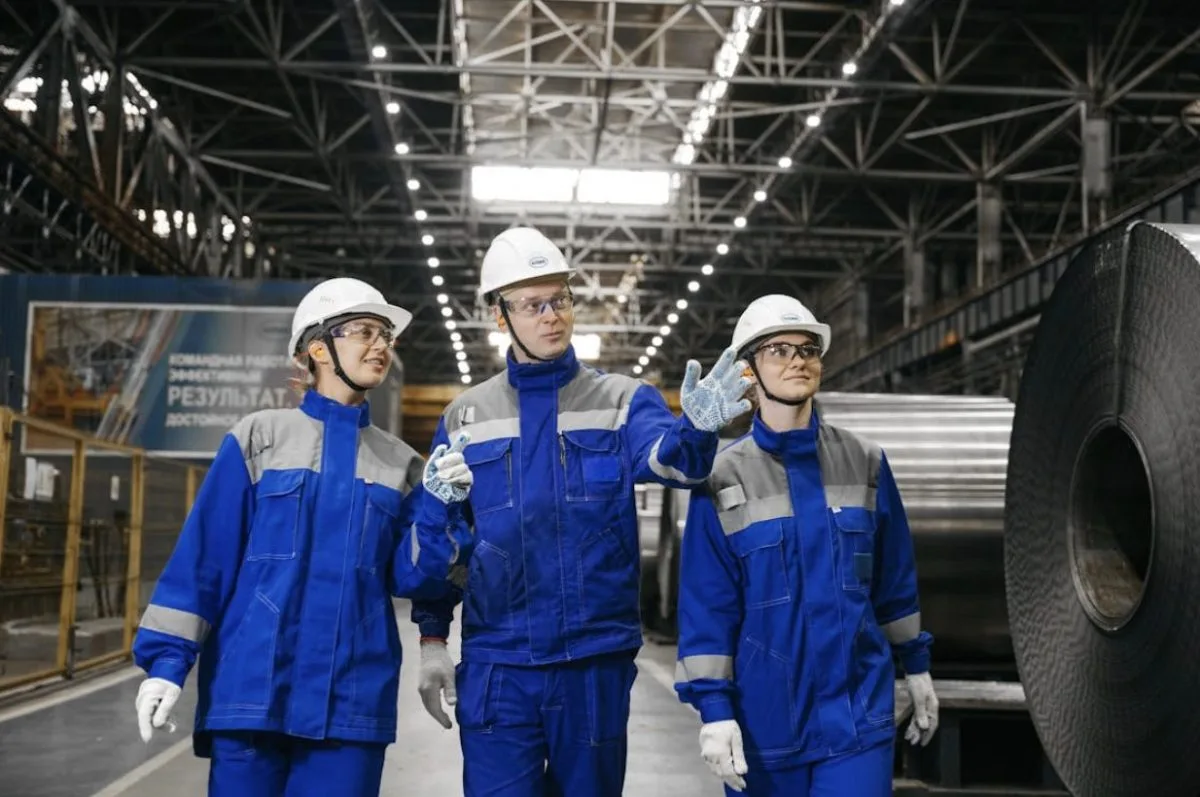
A site supervisor walks a busy commercial build. They spot a worker near a ledge. The worker lacks a proper harness. The supervisor stops the work immediately. They discuss the risk with the team. Proper education allows this quick reaction. Good training gives people a clear view of site risks.
Safety stays front of mind when teams hold shared knowledge. Staff who finish CITB courses gain real skills for the job. This education gives them a way to see hazards early. Training changes how workers view daily tasks. They stop seeing safety as a burden. It becomes a part of the job itself.
Standardised training protocols
Standardised training serves as the base for a safe site. When a crew operates with the same terms, mistakes drop. Workers know how to follow the rules correctly. This helps them move with speed and care. They maintain high vigilance about the site.
Unified communication
Construction sites hold moving parts and heavy machines. Weather changes shift the site daily. Adopting a standard training model helps every person. All staff members speak the same language. This prevents confusion regarding site checks.
A site manager coordinates the team with ease. They rely on a base of shared facts. A labourer identifies a hazard and reports it clearly. The manager hears the alert and acts fast. They share a mental model of safety.
Regulatory compliance
Government bodies like the Health and Safety Executive provide the rules. Training aligns with these national guidelines. Employers verify that staff interpret complex rules well. This alignment reduces the room for error.
Every employee learns the difference between a minor issue and a major risk. Professional programmes help companies stay organised. They keep documentation and safety practices current. Proper records show the state of the site.
Supervisor daily duties
Site supervisors carry a heavy load each day. They monitor the work and manage different teams. Their focus on the schedule is constant. The outcome of a project rests on their shoulders. Supervisors who participate in advanced training schemes grow their skills. They monitor site conditions with high accuracy.
These people act as the first line of defence. They read risk assessments with care. They match the plan to the real site conditions. When a supervisor knows how to manage risks, they lead better. They train their own teams during daily talks. A chain of competence flows from the top down.
To manage a high performance site, supervisors focus on key areas. These points help them keep control over a fluid work area:
- Verification of all personal protective gear before work begins.
- Regular checks on the stability of temporary platforms.
- Confirmation that all machine operators hold valid permits.
- Immediate reporting of latest site news regarding protocol changes.
This proactive style distinguishes successful firms. They do not just react to accidents. They act before trouble starts. Effective training gives these leaders practical tools. They learn how to record near misses with detail. This data helps them spot patterns of danger. Companies that track these trends adjust their site procedures well.
Persistent safety habits
Safety is not a one time goal. It requires constant verification of worker skills. Many firms use refresher training to keep safety top of mind. Workers receive regular updates about changes in technology. They learn to use new equipment the right way.
Knowledge gaps
Regular assessments identify gaps before an incident happens. A worker might know how to run a machine well. Yet, they might not know the new locking mechanisms. Short and focused training sessions address these needs. This keeps the workforce sharp. It lowers the chance of mechanical error.
Environmental adaptation
Methods on site change over time. New materials and digital tools arrive often. These changes demand a workforce that can adapt. Training ensures that this change happens with safety in mind. It creates a team that handles site challenges well. Teams that prioritise ongoing education see fewer accidents. They enjoy higher levels of productivity.
Companies often follow a structured approach to check competency. This ensures that no single worker stays stagnant in their skill set. They follow a process similar to this sequence:
- Conduct an initial skill assessment to find strengths.
- Provide targeted instruction on missing safety knowledge.
- Require a practical demo of new safety tools.
- Monitor performance over the following month to ensure retention.
By integrating these steps, firms ensure their workforce stays capable. This approach also allows managers to source the right specialised safety products needed for specific tasks. When workers learn why certain tools are required, they use them. They follow protocols without needing a reminder.
Building a culture of responsibility
Sites win when every person feels ownership of the safety environment. This culture starts with leadership. When managers show a pledge to training, they send a clear sign. It shows that the company values people more than output. This environment encourages workers to speak up when they see danger.
The role of leadership
A culture of fear creates blind spots. A culture of safety encourages questions. Workers feel comfortable asking about a task. They point out a frayed cable or a blocked path. This open talk marks a firm that cares about human life. Formal programmes also expose workers to the Construction Industry Training Board requirements. This connection to a wider body reminds workers that their performance is part of a national effort.
Peer observation
Managers must lead by example. They must show that safety takes priority over speed. When a leader pauses a project to fix a guard rail, they show their values. They tell the crew that a life is worth more than a deadline. This message travels through the site. It shapes the way people behave when no one watches them.
Workers gain pride in their work. They see themselves as skilled trade people. They take care of their gear. They look out for their peers. This peer observation prevents accidents. One worker stops another from making a mistake. This is the goal of all safety education.
Photo by Mikael Blomkvist
Future benefits of education
Training provides the blueprint for this habit. It gives workers the facts they need to choose the safe path. It replaces guessing with knowledge. A trained worker makes a smart choice in a split second. They do not pause to debate the rules. They simply act to keep the site safe.
Economic advantages
This investment pays off in many ways. It saves money on insurance. It saves time on cleaning up after errors. It protects the reputation of the firm. Clients want to hire companies that keep their sites safe. They look for signs of professional pride.
Long term stability
Everything on site connects back to the base training. If the base is weak, the habits will be bad. If the base is strong, the habits will hold. Companies should review their training plans often. They should see if they meet the needs of their crew. They should check if the training helps them reach their goals.
Workers who feel safe perform better. They focus on their tasks. They do not worry about hidden dangers. They know how to handle the tools. They know how to react to problems. This mental clarity is a major asset. It drives quality work. It stops waste.
A clean site is a safe site. A trained team is an efficient team. These ideas are tied together. They do not exist apart. When a firm invests in training, it invests in its people. It builds a future where safety is the norm. This is the path to a high performance construction business. It starts with one lesson, one class, and one committed worker. Training is the key to that future.
HSM Newsletter
HSM publishes a weekly eNewsletter, delivering a carefully chosen selection of the latest stories straight to your inbox.
Subscribe here