
Human skills, AI edge
IN A rapidly evolving workplace, Thiago Ramos explores how people skills, leadership influence and artificial intelligence will redefine the OSH profession — and what tomorrow’s safety leaders must do to stay ahead.
WHAT WILL the OSH profession look like in the years to come? What skills and competencies will we need as professionals to protect employees and enhance the organisations we work for?
These were two of the questions I was asked to consider with Marilyn Hubner in a session chaired by NEBOSH’s chief quality officer Dee Arp as part of NEBOSH’s Online Conference last November. The session titled The Future of the OSH Professional raised many additional questions from the delegates who attended, and NEBOSH have kindly given me the opportunity to answer some of them here.
Part of the discussion covered the difference between hard skills – the technical competences that allow us to evaluate risk – and the so-called soft skills, that allow us to work well with others and be effective operators in our organisations. One of the questions asked for some more detail on the second category. I am not a big fan of calling them soft skills, because I believe it reduces their importance. I prefer to say people skills. I believe health and safety professionals can be business leaders as well as experts in topics such as risk management and process safety. As business leaders, we need those people skills, including communication, influencing, emotional intelligence and empathy. These are the skills we need to influence people so they can be safe by themselves, without continuous monitoring. not because we’re pushing, but because we’re influencing.
Those people skills are equally important when we are talking to the senior organisational leaders, and that was the subject of another question sent in after the session.
How can we influence upward?
When we are talking to senior leaders, I believe the first important point is thing, is to adapt our narrative and language to the business’s prevailing conversation. That dominant conversation will differ from organisation to organisation; there is no one-size-fits-all solution here. But it’s unlikely to be about total recordable incident rates and absence statistics. These technical points that are important to us as professionals are less vital to others in the business. But leaders are interested in how we can add value to the business and help them achieve their goals. This means emphasising the why behind the what that we do. We have to look at the problems the business is trying to solve and the goals it wants to achieve and frame our work when talking to leaders so it supports those aims. If we can develop techniques like storytelling, it helps us explain the why in compelling terms.
This approach involves understanding the context your business works in. In L’Oréal we are a beauty company with a powerful marketing function. In our communications with senior leaders, we often take our cue from our marketing colleagues, using similar visuals and keeping messaging to the point. It has helped us to sell health and safety to our business leaders. But we use a different language, more straight and to the point, when talking to operations leaders and for our colleagues in Research & Innovation, we will spend more time explaining the why behind a solution before talking about the solution itself. So it’s about taking time to understand the best approach for each stakeholder.
This sensitivity to context is an important component of developing the OSH profession’s role beyond a simple compliance one. Another question after the online conference asked if I could expand on that point.
I believe that our profession is evolving like many other professions. In the more mature companies we are adding value to the business, helping it achieve its goals, as I said before. When I started my career, I thought safety professionals belonged on the shop floor and in the field, ensuring regulations were not breached. But that has changed a lot. Expertise is still very important, and compliance is part of the job, of course, especially when we talk about risk management. We need to be straight and direct with activities that carry a risk of death or irreversible injury. But we are also responsible for helping to create a sense of momentum towards a better workplace, fostering psychological safety and wellbeing.
A few people in the audience at the event commented that this extra breadth to the role might be more than they could take on; that just keeping employees safe on the right side of the law was a big enough task. I understand it can sound daunting, but developing the kind of people skills I am talking about can actually make it easier for you to do the “day job” of ensuring a company is compliant. And it is not something you have to do overnight, it’s a long-term process of development and practice that has no timetable or finish line for any individual. But I do believe that self-development is important for any professional who wants to ensure they are future-fit.
Equally (and this was another question after the event), I don’t think it is unreasonable for safety and health professionals to take on responsibility for environmental management or security, provided they have the right resources and adequate staffing. These are functions that depend on risk management skills, and we are trained in risk management in a way that few people in business are. I believe these additional areas are a natural evolution of the OSH manager’s role because of that common ground in risk evaluation and control. In L’Oréal we vary our approach by country, adapting to local context, so in some the functions will be separated, in others combined because security management in China is not the same as in Brazil or South Africa.
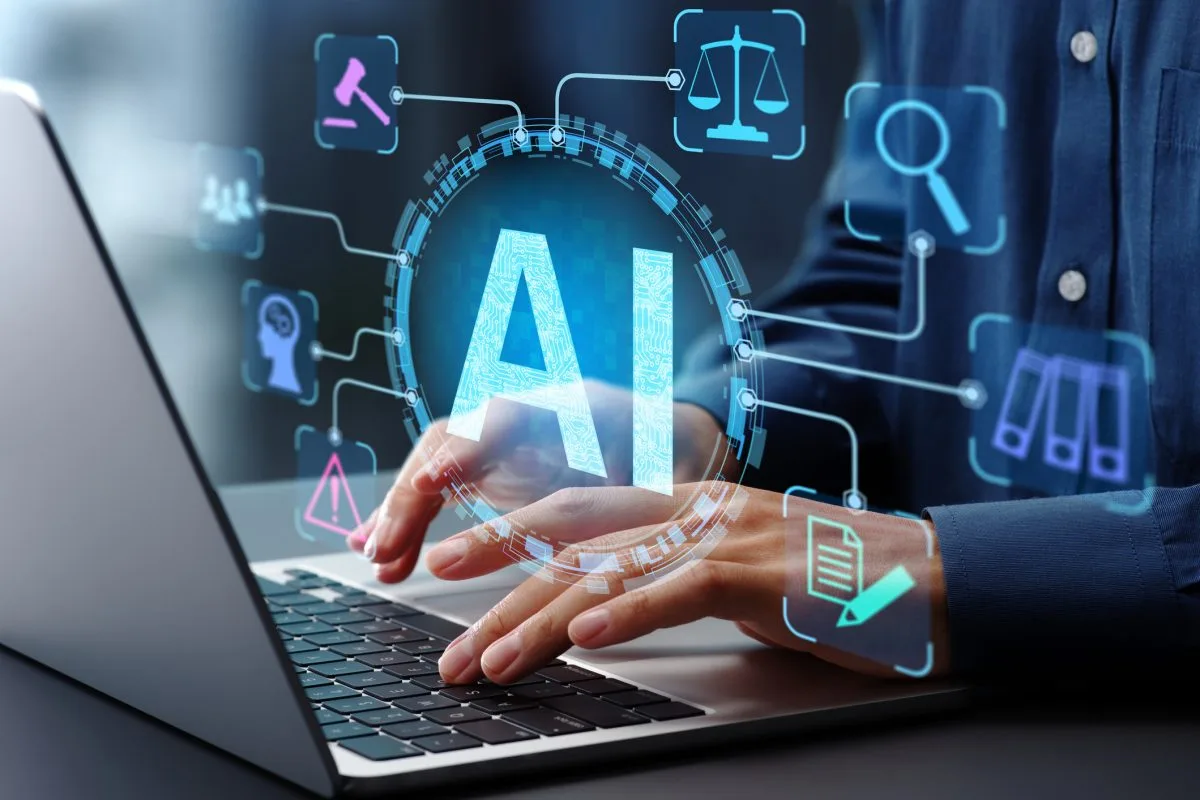
More than one question from delegates at the conference concerned how artificial intelligence (AI) will affect the profession’s work. I have left this till last, but it will be one of the biggest influences on the way we work in future. I don’t see it as a tool, but as a partner. Its impact is not reversible at this point, so we need to ensure it is working with us and not for us.
AI is not going to take over those people skills I talked about earlier, that part of the job will stay with us. AI is going to help us by freeing up time, giving us more bandwidth for the things that really matter, which is talking to people, influencing senior leaders and creating the sense of psychological safety we need. AI gives me time back for this kind of work by helping analyse data and drafting text.
One example of the benefits it brings involves our global audit framework. L’Oréal has more than 250 sites worldwide, and the corporate team I work in audits most of them on a rolling basis. After each audit, we have to complete 10-page document with all of our audit comments and supporting pictures. In the past, I could easily spend six hours compiling the report in the right format and wording. Now, I use AI. I give it my comments, pictures and prompt it on the goal of the report and it generates a draft in minutes. Of course, I still have to read and review it, making edits where necessary, but that takes around an hour, saving me five. With this extra free time I can focus more on strategy and on talking to our teams.
Another example is in the AI-generated videos we now add to the safety bulletins we send out from the centre highlighting lessons to be learned from incidents that have happened at our sites. These videos take only minutes to produce and have raised levels of engagement with the bulletins. These are just a couple of ways that AI, used as a partner, is making us more productive and efficient.
I was proud to participate in NEBOSH’s conference. I think the future of the profession is an important topic and an exciting one; I am optimistic about our role in helping businesses thrive. It’s an attitude best summed up by a comment from one of the conference delegates, who said after the session: “I can’t wait for the holistic future you speak of to get here.”
Thiago Ramos is global health & safety senior lead at L’Oréal Group. You can watch this NEBOSH Online Conference session on demand at: www.nebosh.org.uk/online-conference
Related posts


HSM Newsletter
HSM publishes a weekly eNewsletter, delivering a carefully chosen selection of the latest stories straight to your inbox.
Subscribe here