


Half of lone workers avoid tasks over safety
HALF OF lone workers have avoided tasks or locations due to safety concerns while working alone, and more than half have faced abuse, according to new research from lone worker safety provider SoloProtect.

The Lone Worker Survey, based on responses from 2,500 frontline workers across sectors including housing, healthcare, charities, and local government, found that 56% experienced verbal or physical abuse in the last 12 months.
The findings highlight the complex risk landscape facing employees whose roles regularly require them to work alone in unpredictable or isolated environments.
The research suggest that aggression, environmental hazards and other occupational risks remain a consistent feature of many lone working roles. 20% of respondents reported experiencing an environmental injury or near-miss while working alone, and 38% believe their role has become more dangerous over the past three years. The survey also found that 61 respondents reported being threatened with a weapon in the last 12 months, highlighting that in some cases, lone working risks can escalate beyond verbal aggression.
The finding that half of lone workers avoid tasks or locations because they feel unsafe may also have wider operational implications for organisations. Avoided visits, delayed inspections or shortened interactions can affect service delivery, productivity and the quality of work completed. Over time, this can place additional pressure on both employees and managers who may feel they are unable to complete their roles as thoroughly or efficiently as expected.
As one survey respondent commented: “You expect it now — it’s just part of the job.”
The survey also highlighted potential gaps in incident reporting. While 64% of respondents reported their last incident of abuse or aggression, more than a third did not report the incident. Among those who chose not to report incidents, common reasons included believing the incident was not serious enough or feeling that such behaviour had become normal.
Steve Hough, managing director at SoloProtect, said: “Lone workers provide vital services across many sectors, and this research shows that exposure to aggression and unpredictable environments remains a reality for many workers who operate alone.
When workers feel the need to change how they approach certain situations, this can provide valuable insight into the risks they encounter day-to-day. Understanding those experiences is essential if organisations want to strengthen how they support and protect their lone workers.”
The research also found that safety technology continues to play an important role in supporting lone workers. 77% of respondents said their safety device provides reassurance, and 74% said they would recommend a lone worker safety solution to others in similar roles.
Topline Findings from the Lone Worker Survey 2026
- 50% of lone workers have avoided a task or location because they felt unsafe
- 56% experienced verbal or physical abuse in the last 12 months
- 38% believe their job has become more dangerous in the last three years
- 20% experienced an environmental injury or near-miss while working alone
- 36% did not report their last incident of abuse or aggression
- 61 workers reported being threatened with a weapon in the last year
- 77% say their lone worker safety device provides reassurance
- Survey base: 2,500 lone workers across the UK and Ireland
These findings underline the growing importance of reliable safety solutions that support lone workers in unpredictable environments. As organisations look to strengthen protection and maintain continuity of service, there is increasing focus on solutions that are both effective and easy to deploy.
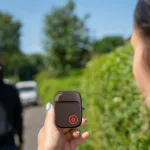
In response to these challenges, SoloProtect has announced the launch of the SoloProtect Mini — a compact, 4G-enabled personal safety device designed to support organisations managing lone and isolated workers as legacy mobile networks are phased out.
The launch comes as UK organisations prepare for major changes to communications infrastructure, including the planned retirement of legacy 2G mobile networks. Designed as a lightweight, durable device with essential protection features, the SoloProtect Mini provides reliable 4G connectivity, GPS location capability, and direct access to SoloProtect’s 24/7 Monitoring Centre.
Steve Hough added: “At the same time, organisations are having to balance increasing operational pressures with the need to keep employees safe. Lone working is now a fundamental part of many roles, and having reliable, easy-to-use safety solutions in place is critical.
The SoloProtect Mini complements our existing range by providing a simple, dependable option that supports organisations as communications networks continue to evolve.”
The device includes a Red Alert panic alarm, Man Down detection for slips and falls, GPS location capability and SoloProtect’s Ready2Talk chaperone feature.
The SoloProtect Mini is available now in the UK, with launches planned across France, Germany and the Netherlands later this year.
The Lone Worker Survey 2026 report explores the findings in more detail, including regional insights and safety considerations for organisations managing lone workers.
Read the full Lone Worker Survey Report: https://www.soloprotect.com/uk/blog/how-safe-are-lone-workers-in-2026
Find out more about the new 4G lone worker device, SoloProtect Mini: https://www.soloprotect.com/uk/devices/soloprotect-mini

HSM Newsletter
HSM publishes a weekly eNewsletter, delivering a carefully chosen selection of the latest stories straight to your inbox.
Subscribe here