
Low level work platforms vs podium steps
CHOOSING THE correct access equipment for low level tasks is fundamental to minimising workplace risk.
Understanding the differences between low level work platforms and podium steps allows organisations to select the most suitable solution for specific working environments, enhancing safety and efficiency. Proper equipment, combined with robust risk assessment and regular training, is key to reducing incidents when working at height.
Work at height, even at lower levels, introduces significant risks if the appropriate access solution is not selected. Podium steps and low level work platforms are frequently used for such tasks, but recognising when and why to use each type can help prevent avoidable accidents and ensure compliance with health and safety standards. By evaluating task requirements, environment, and usage patterns, safety professionals can make informed choices that support worker wellbeing.
Understanding podium steps and their applications
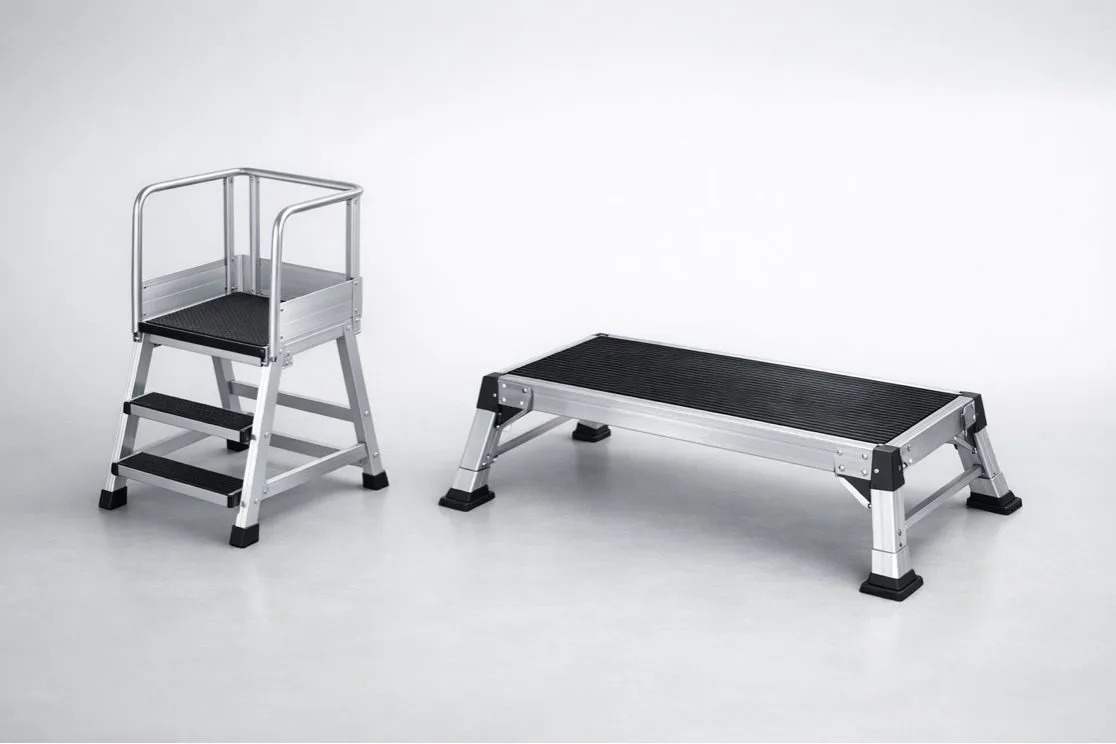
Using podium steps can provide an elevated standing area with guardrails, offering additional stability for short-duration access tasks. Their design reduces the risk of falls compared to conventional step ladders, making them suitable for maintenance, installation, or inspection jobs where security and ease of movement are crucial. The inclusion of guardrails and an enclosed platform helps keep users safe while allowing them to work hands-free if needed.
These steps are typically lightweight and easy to manoeuvre, often featuring anti-slip feet and locking mechanisms. This type of equipment is an ideal option where tasks require some mobility, but higher platforms would be excessive or inappropriate. The flexibility of this solution makes it a preferred choice for electricians, decorators, and facilities managers working on repetitive jobs at the same height.
When to use low level work platforms
Low level work platforms are designed to provide a larger working surface, accommodating users who may need to move side-to-side while remaining elevated. These platforms are well suited for activities demanding greater freedom of movement or where multiple tools are required at hand. Unlike podium steps, low level work platforms often have a broader base, further enhancing stability for prolonged use at minimal heights.
For tasks where access to lower heights is needed, or where the risk of overbalancing is a concern, low level access platforms offer an effective alternative. Their construction tends to support larger weight loads and can be used on sites where ground conditions call for increased surface contact. This makes them a versatile solution across maintenance, painting, and warehouse environments. Additionally, equipment such as low level access platforms shares many of these benefits, broadening the selection available for varying workplace needs.
Risk assessment and equipment selection criteria
Carefully evaluating the work environment is essential when deciding between these two options, and low level work platforms should be considered alongside factors such as duration, frequency, and reach. Factors to consider include the physical reach required, the stability of the floor surface, and the potential hazards surrounding the work area. Employers should ensure that the chosen equipment matches the demands of the job and that all workers are trained in safe setup and usage practices.
A thorough risk assessment will also address aspects such as load capacity, access constraints, and user experience. Pre-use checks and regular inspections are critical, whether the choice is podium steps, low level access platforms, or other access equipment. Identifying signs of damage or wear helps prevent incidents before they occur, ensuring ongoing safety for users.
Training and safe working practices
Even the best equipment cannot eliminate all risk without effective training and clear procedures. Workers should receive targeted instruction on the proper use of both podium steps and low level work platforms, including correct assembly, positioning, and movement protocols. Emphasising the importance of three points of contact and safe handling of materials minimises the chance of slips, trips, and falls.
Regular refresher training is valuable, particularly as work environments or equipment types evolve. Near-miss reporting and safety briefings contribute to a culture of awareness and continuous improvement. This integrated approach supports the consistent reduction of incidents when working at height across all sectors.
HSM Newsletter
HSM publishes a weekly eNewsletter, delivering a carefully chosen selection of the latest stories straight to your inbox.
Subscribe here