

Your questions answered by The British Safety Council
THE BRITISH Safety Council answers your questions on health, safety and wellbeing.
The company next door to us (industrial estate) aren’t managing their waste and recycling competently. To protect my colleagues, what health and safety issues can arise from careless recycling and what regulations should I remind our neighbours of?
To protect your employees, you could point out that careless recycling can create several health and safety risks. From the obvious, such as, sharp objects like broken glass or metal can cause cuts and puncture wounds if recklessly disposed of, to the likes of contaminated waste, including food or chemical residues, spreading bacteria and pest infestations. Poorly managed recycling areas can also become cluttered, creating slip, trip, and manual handling hazards.
In addition, poor disposal of hazardous materials, such as batteries or aerosols, can increase the risk of fires, explosions, or chemical exposure.
The main regulations that should be adhered to are The Waste (England and Wales) Regulations 2011 and the Environmental Protection Act 1990. Your local council may also have additional regulations to consider.
As I expand my workforce, I need to improve our drug and alcohol policies. What are the key points to consider with regards to health and safety?
Drug and alcohol policies are vital for health and safety because substance misuse can impair an employee’s judgment, coordination, reaction time, and decision-making abilities. This risk is greatly increased in safety-critical roles such as construction, transport, healthcare, and manufacturing.
Clear workplace drug and alcohol policies set expectations for acceptable behaviour and help prevent unsafe practices before incidents occur. Ensure you work with colleagues to provide guidance on testing, support mechanisms, and disciplinary procedures, ensuring that issues are managed fairly and consistently.
Effective policies should not be seen as solely punitive. Try to include education, awareness, and access to support or rehabilitation services. By promoting a safe, substance-free working environment, your improved drug and alcohol policies will help reduce accidents, improve productivity, and prioritise your colleagues’ health, safety, and wellbeing. Involving your workforce as you develop your framework will improve the safety culture at work as well as demonstrating compliance with health and safety legislation.
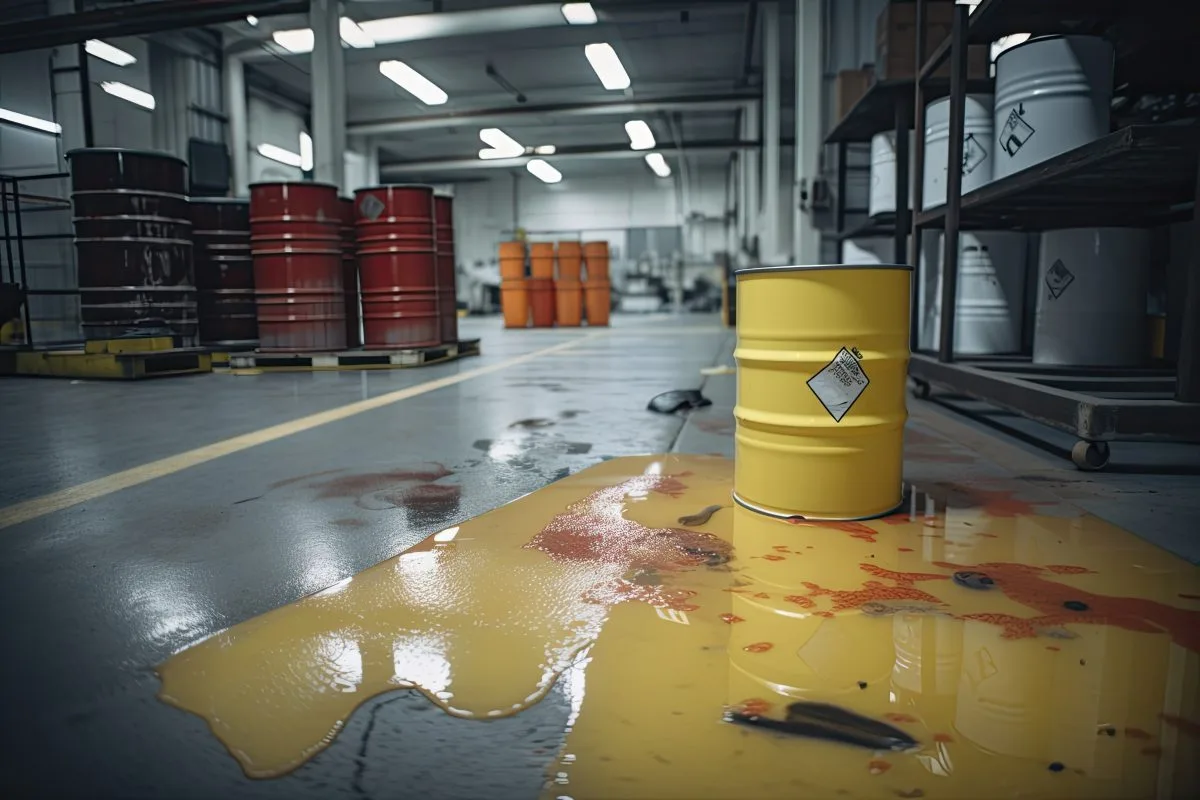
We had a chemical spill onsite recently and I feel that my team hasn’t received enough training on how to deal with hazardous materials. What guidance should I be asking to receive?
Your employer should already be undertaking regular risk assessments of all elements of your job and providing you with the correct training and personal protective equipment. Specifically, they should be giving you COSHH (Control of Substances Hazardous to Health) training. This is vital, as it helps to protect employees – and others – from the health risks associated with hazardous substances used, or spilled, at work.
COSSH training will help all workers to understand how harmful substances can enter the body, the potential short- and long-term health effects, and the correct control measures to reduce exposure.
COSHH training also promotes safe handling, storage, and disposal of chemicals, reducing the likelihood of accidents, spills, and occupational illness. Your company will need to provid this training in order to meet their legal responsibilities and avoid enforcement action. By increasing awareness and encouraging safe working practices it will also help to create a safer working environment.
The HSE website provides further information on COSSH training.
Don’t forget to submit YOUR questions to [email protected]
Related posts


HSM Newsletter
HSM publishes a weekly eNewsletter, delivering a carefully chosen selection of the latest stories straight to your inbox.
Subscribe here