
Talking safety with Sarah McLaughlin
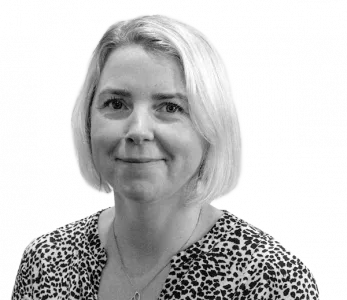
IN THE first of our Women in Safety features, Sarah McLaughlin reflects on how she entered the profession, the realities of progressing within it, and the professional lessons that continue to inform her work today.
How did you get into the health and safety sector?
My interest in health and safety started early, following a workplace incident involving a family friend. It left a lasting impression on me and sparked a strong interest in workplace safety.
I went on to study business and began my career in large B2B organisations, including National Australia Bank, Tesco Bank and PwC, which gave me a strong commercial foundation. That background led me into the EHS sector through technology when I joined EHS software provider Evotix (then called SHE Software), working within the EMEA marketing team to support organisations across a wide range of industries in improving how they manage health and safety through digital solutions.
After the birth of my fourth daughter, I briefly moved into the space technology sector, but quickly realised how much I missed working within health and safety and the inclusiveness of the community.
In early 2025, I returned to the sector as EMEA marketing director at HSI Donesafe, a global EHS management software company where I work closely with EHS professionals and industry partners across the region shaping go-to-market strategy around the practical challenges they face and supporting improved safety outcomes through smarter systems, better data, and stronger workforce engagement.
While I don’t come from a traditional practitioner background, my role has always been focused on listening, understanding and enabling the people who do, and helping amplify best practice and support safer, more effective ways of working.
Who has been the biggest influence on your career?
Louise Adamson and her brother, Michael’s story has had a significant influence on why I am so passionate about what I do. Michael was a 26-year-old electrician who left for work one morning in 2005 and never came home. He tragically died in a workplace electrical incident. Louise now devotes time to telling her brother’s story in workplaces around the UK. By sharing Michael’s story with organisations, she helps make the emotional connection between everyday decisions and their real-world consequences, reinforcing the importance of everyone going home safe.
For me, Louise’s work highlights a critical point: while systems, data and technology are essential, real change happens when people truly understand why safety matters. People may forget what was said in a meeting or written in a procedure, but they don’t forget how it made them feel and that emotional connection is often what drives lasting cultural change.
I’ve also been deeply influenced by the EHS professionals I work with every day. Across sectors, I see people who are practical, resilient and committed to protecting others, often working in challenging environments and with limited resources. Their willingness to share lessons learned, openly and honestly, has shaped how I think about leadership and the role safety plays in organisations. The people who have had the greatest impact on me are those who genuinely value people, listen carefully, and recognise that culture and leadership behaviours matter just as much as policies, procedures and systems.
What do you enjoy most about your role?
The people and the purpose. Health and safety is a profession where people genuinely care about making a difference, and that comes through in how knowledge is shared across the sector. I find the health and safety community is very relationship-focused. There’s a strong culture of learning from experience, in what’s worked, what hasn’t, and what could be done better. I enjoy helping create opportunities for professionals to come together, share insights, and learn from one another.
Ultimately, it comes back to the same goal: ensuring people go home safe at the end of the working day. Work should never come at the cost of someone’s life or long-term health, and health and safety isn’t something owned by one team alone it’s a shared responsibility across the whole organisation.
How has the sector changed since you started working in it?
One of the biggest changes has been the shift away from health and safety being viewed purely as a compliance function. There’s now much greater recognition of the role health and safety plays in shaping culture, supporting leadership, and strengthening organisational resilience.
Technology has also transformed how safety is managed. Many organisations have moved away from paper-based or reactive approaches towards more proactive, data-led decision-making. This allows teams to spend less time on administration and more time focused on meaningful risk reduction and workforce engagement.
There has also been a noticeable shift towards greater openness and visibility within the profession, particularly around inclusion and progression. Health and safety has traditionally been male-dominated in certain sectors, but while progress has been made and more women are visible across a wider range of roles and levels, there is still a long way to go before the profession truly reflects the diversity of the workforce it serves.
Conversations around wellbeing, inclusion, and psychological safety are far more common today. There is a growing willingness to challenge old norms and share experiences, both successes and setbacks. That openness is important. Increasing the visibility of women working successfully across different sectors and levels of the profession is critical, and continued dialogue will help create clearer, more inclusive pathways for progression.
What more can be done to encourage women to choose health and safety as a career?
Building on the increased openness and visibility within the profession, awareness remains a key factor. Health and safety can often still be associated with a narrow set of roles or industries, when in reality it offers a wide range of career opportunities across construction, manufacturing, energy, healthcare, facilities management, research, academia and technology.
While some high-risk industries have historically been perceived as male-dominated, those perceptions are gradually being challenged. What’s important now is addressing the less visible barriers that can influence career choice, such as unconscious bias, limited access to role models, and outdated assumptions about who ‘fits’ certain environments.
Increasing the visibility of women working successfully across different sectors and levels of the profession is critical. When people can see realistic, relatable career paths and understand the breadth of opportunities available, it becomes much easier for women to consider health and safety as a viable and rewarding career.
What more can be done to help women progress within the sector?
Progression is where many of the most persistent challenges sit. Even as visibility improves, factors such as unconscious bias, pay gaps and a lack of transparent progression pathways can continue to impact career development.
To address this, organisations need to be intentional. Clear career frameworks, inclusive hiring and promotion practices, and equitable access to development opportunities are essential. Practical considerations also play an important role, including genuinely supporting flexible working and recognising different leadership styles, particularly in environments that have traditionally favoured more uniform career paths.
From a personal perspective, throughout my career I’ve encountered barriers linked to being a non-traditional higher education entrant and later, discriminatory remarks and treatment in the workplace as a single working mother. While progress has been made over the past decade, there is still work to do if we want future generations to face fewer obstacles and experience more consistent, supported progression for women in the workplace.
How does your work in equality, diversity and inclusion influence your perspective?
I previously chaired the Equalities, Diversity and Inclusion Workstream for Scotland’s Digital Economy Skills Group, and that experience reinforced my belief that inclusion is not just a moral issue, but a practical one that directly influences how organisations perform.
Across all organisations, diverse perspectives lead to better decision-making. When people with different experiences and viewpoints are represented, assumptions are more likely to be challenged, risks are more effectively identified, and safety culture is strengthened. This in turn improves engagement and supports more sustainable outcomes, particularly in environments where decisions have real-world consequences.
Importantly, inclusion also ensures that people have a voice, access to opportunities, and the ability to contribute fully. When individuals feel heard and supported, they are more likely to speak up, share concerns and participate in continuous improvement and importantly, behaviours that sit at the heart of effective health and safety management.
Why do you feel health and safety is a profession others should consider joining?
Health and safety is a profession where you can make a real, tangible difference. Few careers allow you to contribute so directly to creating safer, healthier working environments and supporting outcomes that help people return home safely at the end of the day.
It’s also an increasingly dynamic and evolving profession. Health and safety now sits at the intersection of technology, data, behavioural science and human-centred approaches, moving well beyond traditional compliance. This evolution continues to open up a wide range of career pathways across practice, leadership, research, education and technology.
For those entering the profession today, health and safety offers the opportunity to build a career with purpose, variety and long-term relevance, one that can adapt as work, industries and risks continue to change.
What are your key focus areas for the next 12 months?
Over the next 12 months, my focus will be on continuing to support the EHS community through meaningful partnerships and initiatives that encourage learning, collaboration and progression across the profession.
As headline sponsor of the Women in Safety and Health Awards, HSI Donesafe will be working in partnership with Health and Safety Matters and others across industry, helping to raise visibility, celebrate achievement and maintain momentum by highlighting the breadth of roles and career paths available. It’s about recognising the impact individuals and teams are making and helping ensure that those contributions are seen and valued across the industry.
More broadly, my focus is on partnering with organisations as they strengthen their approach to safety across evolving operational landscapes. This means championing technology not as an end in itself, but as an enabler, helping organisations gain deeper insight, engage their workforce more effectively, and embed sustainable, long-term improvement workforces, risks and regulatory expectations continue to change. ℜ
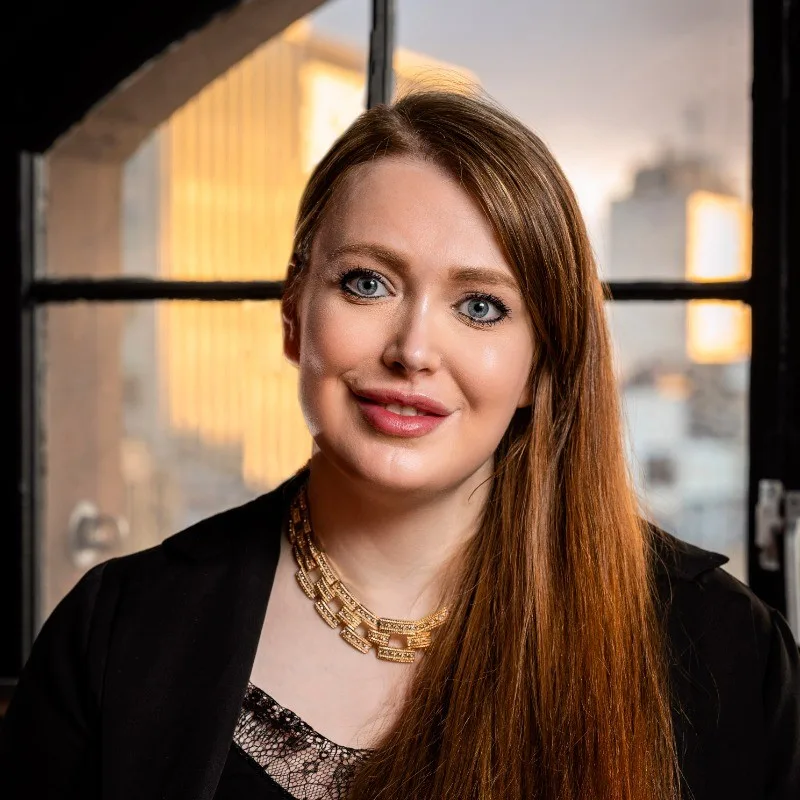
Sarah McLaughlin is marketing director EMEA at HSI Donesafe. For more information, visit www.donesafe.com/uk.
Related posts

HSM Newsletter
HSM publishes a weekly eNewsletter, delivering a carefully chosen selection of the latest stories straight to your inbox.
Subscribe here