


Lessons in safety
AS TERRORISM becomes a credible risk for workplaces and public spaces alike, the OSH profession is being challenged to think beyond accidental harm. Matt Powell-Howard explains why counter-terrorism preparedness is a logical and necessary extension of occupational safety and health practice.
In today’s world, terrorism is sadly no longer a distant threat. It is a risk that can manifest in workplaces, public venues and community spaces. Intelligence assessments in the UK currently rate the risk of attack as “substantial”, meaning likely. Moreover, the nature of attacks can vary from complex, coordinated assaults to crude incidents involving knives, blunt instruments or vehicles.
From accidents to intentional harm
Traditionally, OSH has focused on preventing accidents and ill-health – unintentional harm caused by unsafe conditions or human error. Yet terrorism blurs these boundaries: planning for the prevention of deliberate acts which risk safety and life.
This is not about turning OSH professionals into security officers. It is about recognising that the methodologies of risk assessment, hazard identification and control implementation are equally applicable to intentional threats. The skills already embedded in the profession – assessment and controls, procedural design, and cultural change – are transferable to counterterrorism preparedness.
Our risk registers can expand to include intelligence on emerging threats, our control measures can encompass response plans for terrorist attacks, and our safety culture can evolve to incorporate security.
Legislation as a catalyst
The UK’s Terrorism (Protection of Premises) Act 2025, often referred to as Martyn’s Law, is a watershed moment. For the first time, venues and events will be legally required to adopt proportionate measures against terrorist attacks. The law introduces two tiers of compliance, ranging from procedural readiness for smaller venues to formal vulnerability assessments and documentation for larger ones.
By embedding counter-terrorism into statutory obligations, the legislation signals that protecting people from intentional harm is as fundamental as protecting them from accidents.
Cultural influence
While the specifics of compliance with the Act are yet to be confirmed, organisations can begin to integrate safety and security into their cultures.
OSH professionals can help drive this cultural shift. They already champion safety culture, embedding behaviours that prevent accidents. Extending this to counter-terrorism means instilling vigilance, readiness, and calm responses to intentional threats. It means ensuring that protective measures do not inadvertently create new risks, and that procedures are interoperable with emergency services and local authorities.
Locking a door during an incident, coordinating with neighbours, or knowing how to communicate under duress can save lives. These are simple interventions, but they require training, rehearsal and cultural embedding.
By stepping into this expanded role, OSH professionals can help organisations move beyond fear and towards preparedness. They can ensure that workplaces are not only compliant but capable of responding effectively to threats. In doing so, they reaffirm the profession’s core mission: safeguarding lives.
NEBOSH has developed three qualifications to help delegates understand the nature of terrorism, assess potential threats, and identify protective procedures and measures and the appropriate emergency response. For further information, visit: www.nebosh.org.uk/counterterrorism
‘Counter-terrorism through the OSH lens’ was also the subject of a presentation at the 2025 NEBOSH Online Conference. A recording of that session is available to watch, for free, here: www.nebosh.org.uk/osh-lens
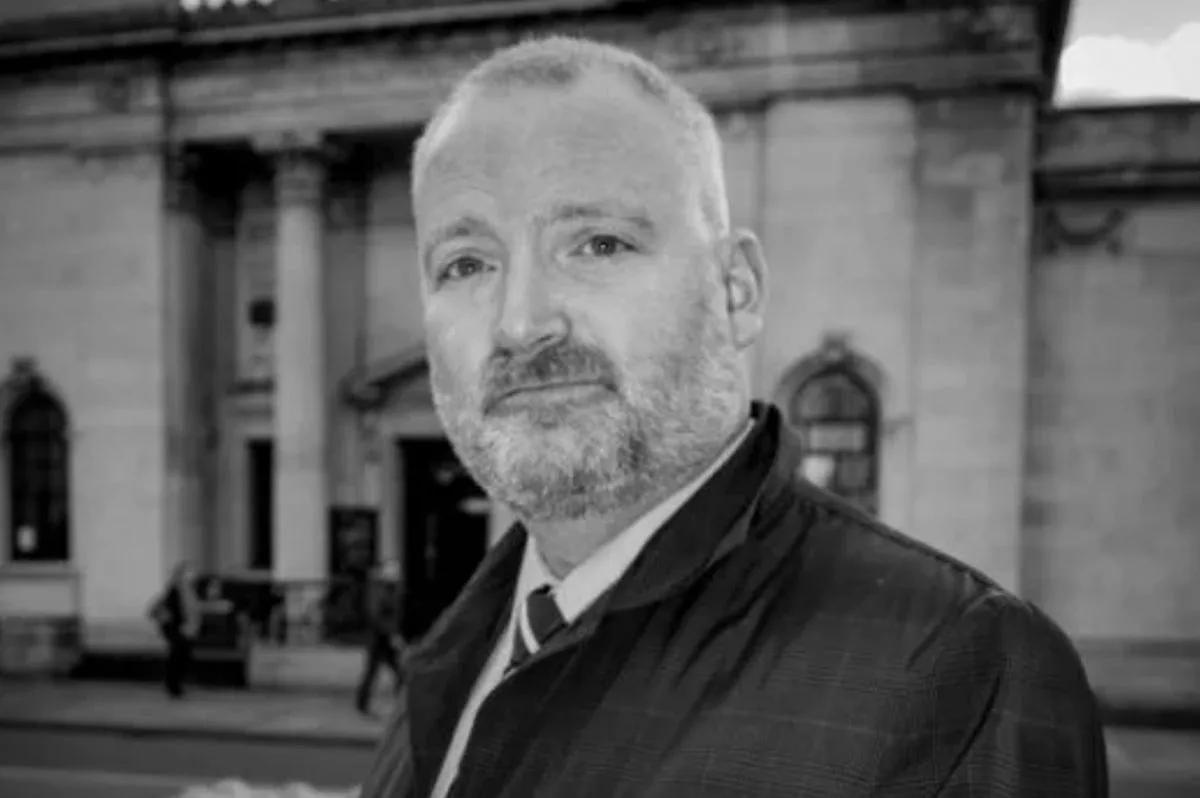
Matt Powell-Howard is head of product development at NEBOSH. For more information, visit www.nebosh.org.uk
Related posts


HSM Newsletter
HSM publishes a weekly eNewsletter, delivering a carefully chosen selection of the latest stories straight to your inbox.
Subscribe here