

IOSH helps shape European move on asbestos risk
POLICY EXPERTS at the Institution of Occupational Safety and Health (IOSH) have secured key changes to new European Commission (European Union) guidelines for managing asbestos-related health and safety risks at work.
Late last month, the Commission adopted new guidelines aimed at supporting national authorities, employers and workers to manage risks related to workplace exposure to asbestos. The guidance was developed after extensive consultation with stakeholders, with IOSH stepping forward to feed into the discussions and the proposed draft guidance.
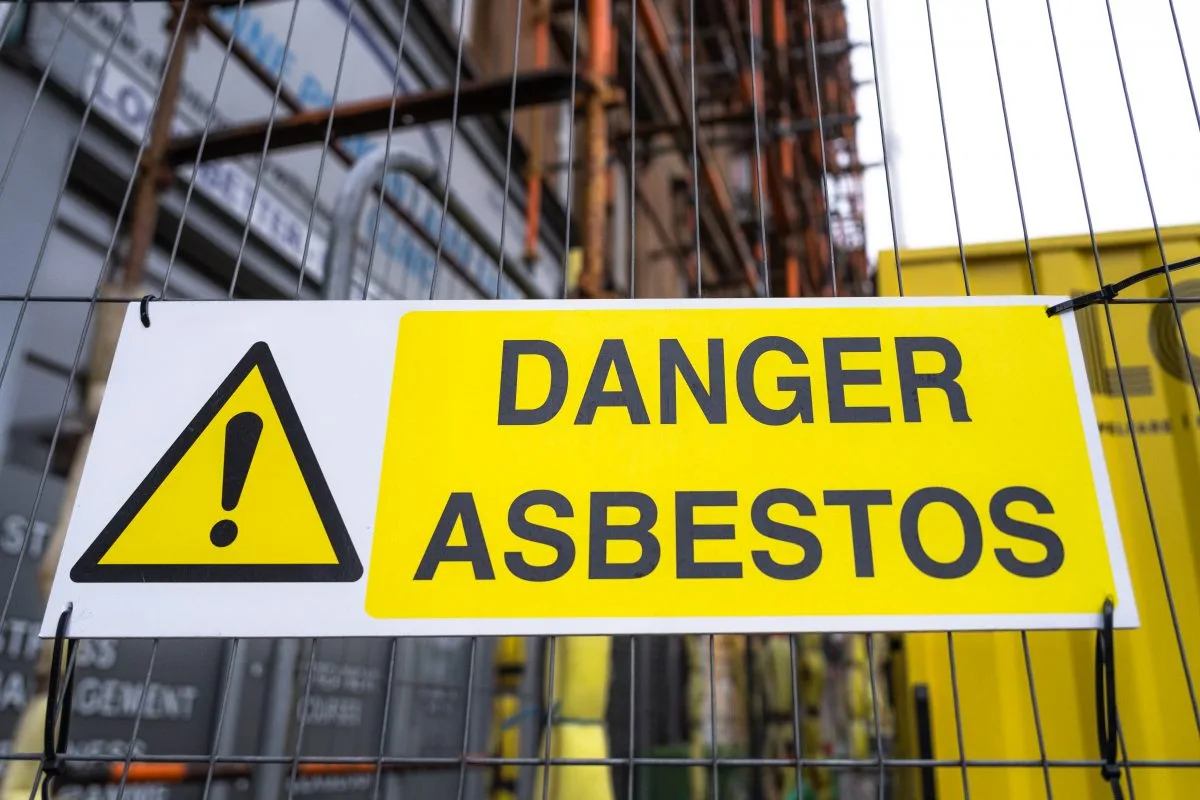
Asbestos is the biggest cause of occupational cancer, claiming hundreds of thousands of lives a year worldwide. It remains a major global challenge to both occupational health and public health. IOSH believes it must be addressed through improved public policy and occupational safety and health (OSH) management.
The Institution, therefore, continues to call for action on asbestos on all fronts: on the part of individuals, corporates and nations. On the new Commission guidelines on asbestos management – adopted on 18 December last year – IOSH is pleased to have influenced their final wording, most notably in two key areas.
- Mining – identifying migrant workers as a high-risk group
This is precisely what IOSH had argued for in the consultation, highlighting how “Foreign and migrant workers have language barriers, poor occupational safety and health induction and coverage, and may fear losing work or facing deportation for reporting unsafe working conditions.” This was then clearly adopted by the Commission, with migrant workers highlighted as a high-risk group.
- Emergency services
Another IOSH recommendation taken forward by the new guidelines came under the Commission’s definition of ‘emergency responders’, which was changed to explicitly recognise the risks faced by humanitarian aid workers, particularly in war zones.
The IOSH policy team advocates for, influences and promotes IOSH’s vision of a safe and healthy world of work for all across international public policy arenas, working with stakeholders and different audiences around the world.
“It’s always heartening to see our expertise, experience and commitment to safer, healthier workplaces being recognised and acted on by our global partners,” said IOSH head of policy and public affairs, Ruth Wilkinson.
“Asbestos remains a global issue and is the world’s biggest cause of occupational cancer,” she added.
“We want to see more action – specifically, joint action – from governments, public policymakers, businesses and other stakeholders to prevent exposure to asbestos, to manage asbestos risks, to drive up occupational safety and health standards and, ultimately, save lives.
“Despite asbestos being known as a work-related health hazards with the risks associated with its exposure, there is still a hazardous legacy within buildings that still contain asbestos. There remains too much uncertainty, lack of awareness and ignorance around managing asbestos. There’s a lot to do but at least these new European guidelines will help bring more clarity.”
Related posts


HSM Newsletter
HSM publishes a weekly eNewsletter, delivering a carefully chosen selection of the latest stories straight to your inbox.
Subscribe here