
Falling short on safety
SLIPS, TRIPS and falls are the most common workplace hazard, but there are steps we can take to help prevent them, says Caitlin McCloy.
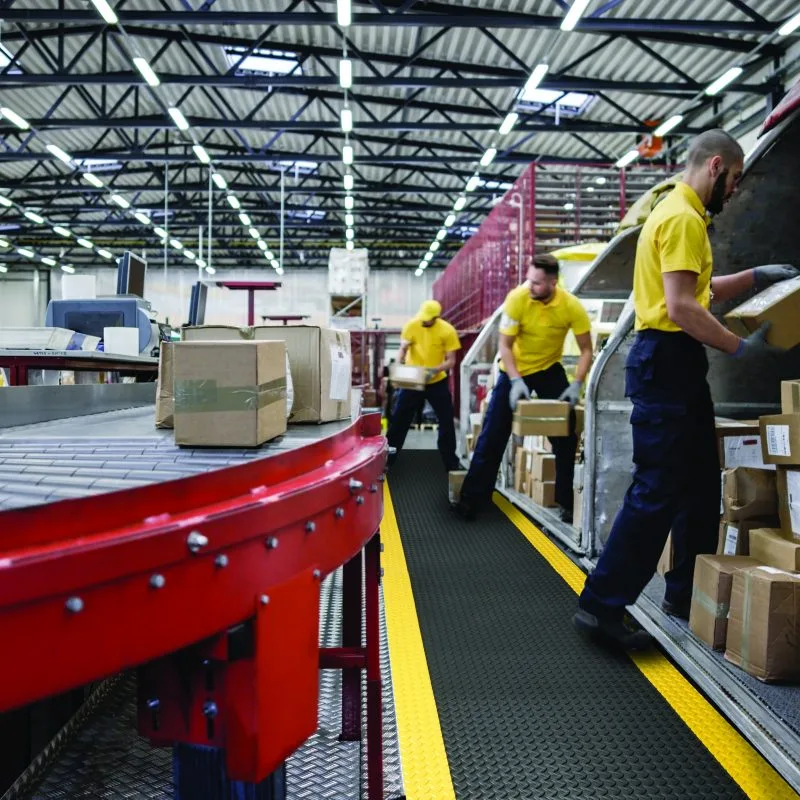
Slips, trips, and falls may sound like minor issues, yet they remain one of the most persistent and costly workplace hazards in the UK. According to the Health and Safety Executive (HSE), these incidents account for roughly a third of all reported major workplace injuries, affecting industries from manufacturing and warehousing to healthcare, education, and hospitality.
The consequences go far beyond the immediate fall. Each incident can result in lost working days, costly insurance claims, reputational damage, and—most importantly—serious harm to employees. In workplaces that rely on consistent productivity and safety compliance, slips and trips represent a major threat to both wellbeing and efficiency.
The good news is that these incidents are largely preventable. Understanding why they occur, what conditions make them more likely, and which proactive steps can reduce risk is essential for every employer aiming to build a safer, more compliant, and more productive workplace.
The human cost
A slip or fall might seem like a minor mishap, but the consequences can be severe. The HSE reports that these accidents frequently lead to sprains, fractures, back injuries, and head trauma. In serious cases, recovery can take months and may even result in long-term disability or chronic pain. Beyond physical harm, employees may experience emotional distress, anxiety about returning to work, or reduced confidence in their safety environment.
Each injury affects not just the individual, but their team and wider organisation. A worker recovering from an ankle fracture may be off for six to eight weeks—time that could have been spent contributing to essential operations. When preventable accidents occur, morale and trust often decline, creating an even greater indirect cost.
The business impact
For employers, the ripple effect of a single slip or trip can be significant. Lost working days can disrupt production schedules and lead to delays in service delivery. Compensation claims, increased insurance premiums, and potential regulatory fines for non-compliance with workplace safety laws can quickly accumulate.
HSE prosecutions demonstrate how costly lapses in safety can be. Fines for neglecting floor maintenance or failing to control contamination risks can reach thousands of pounds—not to mention the reputational damage associated with preventable incidents.
The bigger picture
According to HSE data, slips and trips are a leading cause of injury-related absences across UK workplaces. These events don’t just affect one department—they have a cascading impact across operations, diverting time, money, and focus from business growth toward managing investigations and corrective actions. In many organisations, preventing these hazards represents one of the most cost-effective investments they can make.
How they happen
While each incident might appear unique, they often stem from predictable and controllable patterns. Understanding these helps employers implement targeted interventions.
- Wet or contaminated surfaces: Rainwater tracked indoors, cleaning residue, oil or grease spills, and even beverage leaks all reduce floor traction. In some sectors, such as food processing or healthcare, moisture is almost constant and requires continuous control.
- Poor floor design or maintenance: Uneven flooring, loose tiles, cracked concrete, curled mats, or worn carpets create trip points. These hazards often develop gradually, making routine inspections essential.
- Obstructions and clutter: Tools, packaging, electrical cables, or stray pallets left in walkways are common culprits. Cluttered work areas don’t just slow productivity—they create unsafe environments.
- Inappropriate footwear: Even the most slip-resistant shoes can’t fully counteract a slick or uneven surface. Without consistent footwear policies, risk levels vary from one employee to another.
- High-risk environments: Kitchens, wash-down areas, loading bays, and laboratories face continuous exposure to liquids or debris. These settings require special materials and safety equipment designed to cope with demanding conditions.
By identifying these causes, organisations can move from reactive responses to preventive, data-driven safety strategies.
Reduce the risk
Preventing slips, trips, and falls takes more than a few warning signs or verbal reminders. It requires a systematic safety culture backed by practical measures and employee involvement.
1. Conduct regular risk assessments
Employers must identify and review high-risk zones—entrances, kitchens, production floors, and loading areas—at least quarterly. These assessments should consider environmental factors (like weather-related wet floors), task-related risks (carrying loads that obstruct vision), and even behavioural patterns (workers rushing between tasks).
Documenting these findings enables tailored interventions, ensuring resources are spent where they have the greatest impact.
2. Prioritise good housekeeping and maintenance
Clean, orderly workplaces are inherently safer. Spills should be cleaned immediately using appropriate materials that leave no residue. Regularly scheduled cleaning should include drying protocols—simply mopping isn’t enough.
Maintenance checks should cover flooring, lighting, and matting. Loose edging, raised thresholds, or cracked tiles should be repaired or replaced immediately. Employers should also provide clear reporting systems for staff to flag hazards quickly.
3. Keep walkways clear
Cluttered walkways are one of the most common and easily avoidable hazards. Employers should provide adequate storage, designated tool stations, and clearly marked pedestrian routes to separate foot traffic from work zones.
Policies requiring clear walkways should be regularly reinforced through training and audits to maintain consistency.
4. Enforce suitable footwear policies
Footwear requirements should align with the working environment. In wet or oily settings, slip-resistant shoes are essential. Employers should either provide approved footwear or ensure all staff meet the necessary safety standards.
Periodic inspections and feedback help maintain compliance, especially for new hires or contractors.
5. Invest in safer walking surfaces
Flooring improvements yield long-term safety and cost benefits. Options include anti-slip coatings, surface treatments, and purpose-designed matting systems. These solutions reduce traction loss and enhance drainage in problem areas where moisture or contaminants are inevitable.
Proven solution
In many industries, certain wet or high-traffic zones can’t be completely dried or sealed. In these cases, anti-slip matting provides an immediate and durable control measure. Unlike temporary signage or absorbent cloths, professional matting systems address the root causes of slips and trips.
Key benefits include:
- Improved traction: Textured and patterned surfaces enhance grip, even in the presence of water, oil, or debris.
- Efficient drainage: Raised designs and perforated structures channel liquids away from walking surfaces.
- Reduced fatigue: Many anti-slip mats feature ergonomic cushioning that reduces leg and back strain, helping workers stay alert and stable.
- Flexible fit: Modular and custom-cut matting adapts easily to complex or irregular workspaces, maintaining protection across every step.
Anti-slip matting isn’t just for industrial areas, it’s equally effective in reception zones, commercial kitchens, laboratories, and logistics hubs.
Non-slip matting
Notrax, a brand within the Justrite Safety Group, designs and manufactures non-slip matting solutions. The range is engineered to meet the specific challenges of diverse workplaces, offering both safety and ergonomic comfort.
Drainage mats
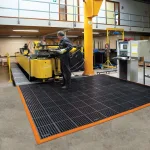
Ideal for food preparation areas, industrial wash-downs, and chemical processing zones, these mats allow liquids and debris to pass through the surface, keeping workers safely elevated above moisture. The result: cleaner, drier surfaces and reduced bacterial growth in damp conditions.
Anti-fatigue workstation mats
For employees who stand for long hours—such as assembly line operators or retail staff— anti-fatigue mats combine slip resistance with ergonomic cushioning. By promoting micro-movements in leg muscles, they enhance circulation and reduce fatigue, lowering the risk of slips caused by tiredness or loss of concentration.
Modular and custom solutions
No two workplaces are identical. Notrax offers modular systems that interlock seamlessly, fitting around equipment, corners, and irregular layouts. Bevelled edges prevent new trip hazards while maintaining a smooth transition from mat to floor. Custom sizes and shapes ensure full coverage of high-risk zones.
Heavy-duty and chemical-resistant
In demanding industrial environments, durability is critical. Heavy-duty mats are built to resist abrasion, chemicals, and temperature fluctuations, maintaining performance even under forklifts or heavy foot traffic.
Each of these solutions demonstrates a commitment not just to compliance, but to genuine safety culture. By proactively choosing the right products, employers reinforce their duty of care and align with HSE guidelines on slip prevention and surface management.
The return on safety
Treating anti-slip matting as an investment, rather than an expense, delivers measurable returns:
- Fewer injuries and claims: Every avoided accident saves on insurance, legal costs, and lost productivity.
- Improved staff wellbeing: Workers who feel secure and comfortable are more engaged and productive.
- Enhanced compliance: Installing matting in risk areas demonstrates proactive compliance with workplace safety standards.
- Long-term durability: Quality matting lasts for years, providing consistent performance without frequent replacement.
Ultimately, safer floors mean smoother operations. The cost of one major injury often exceeds the price of equipping an entire facility with professional matting.
Safety culture
While having the right products can play a critical role, sustainable accident prevention depends on culture. Employers should:
- Incorporate slip and trip awareness into regular training sessions.
- Reward proactive hazard reporting.
- Review safety performance indicators regularly.
- Lead by example—management engagement sets the tone for all employees.
When safety becomes part of daily behaviour rather than an afterthought, workplaces see lasting reductions in accidents.
Mats for professional use
Slips, trips, and falls remain among the most common workplace hazards in the UK, but they are far from inevitable. With robust risk management, effective housekeeping, and targeted investment in safer flooring solutions, employers can significantly reduce the likelihood of injury.
Anti-slip matting provides a practical, proven way to address persistent hazards in environments where traditional cleaning and maintenance cannot guarantee safety. From industrial facilities to hospitality venues. Mats can help protect employees, support compliance, and enhance overall productivity.
For organisations committed to employee wellbeing and operational excellence, the path to a safer workplace begins underfoot.
Caitlin McCloy is marketing manager at Justrite Safety Group. For more information, visit www.buyjustrite.eu
Related posts

HSM Newsletter
HSM publishes a weekly eNewsletter, delivering a carefully chosen selection of the latest stories straight to your inbox.
Subscribe here