


Give safety a hand
WHEN GLOVES are uncomfortable or don’t fit properly, workers are more likely to remove them—and once removed, protection is lost. Monica Alonso explores how we can ensure this essential safety measure is consistently worn.
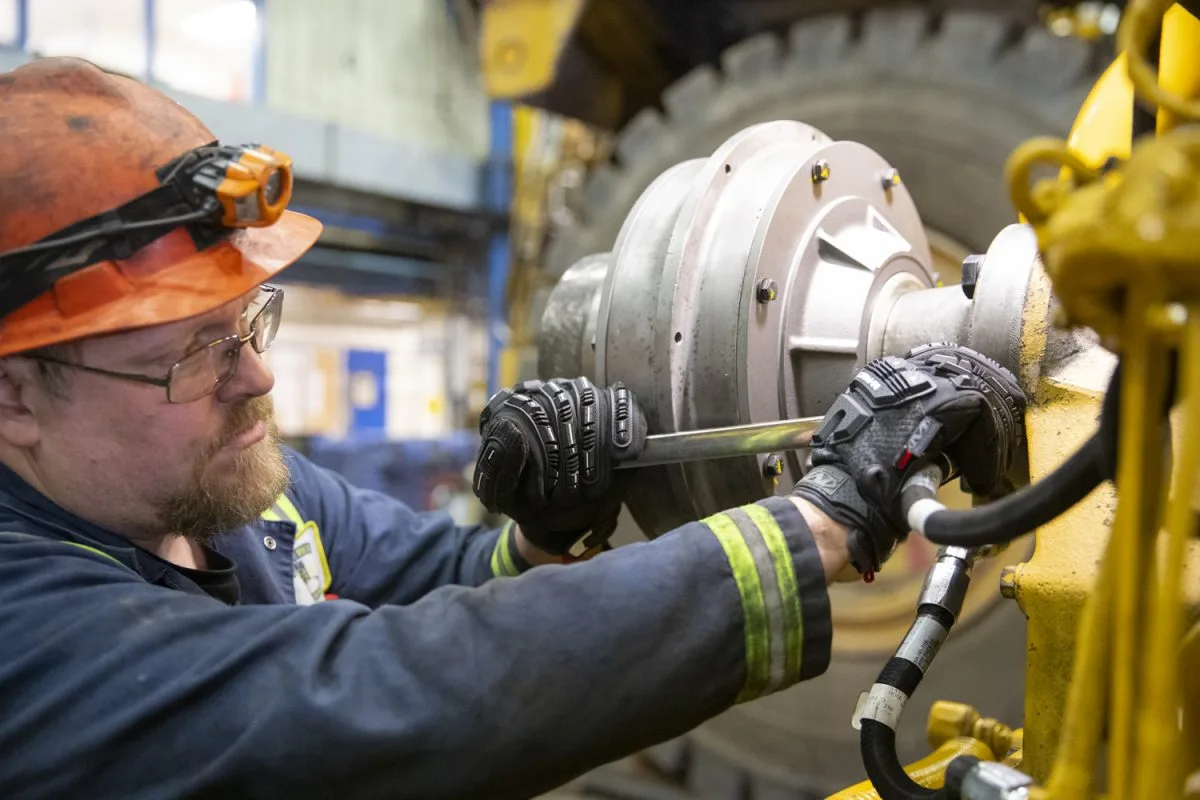
Across UK industry, non-compliance with glove use remains one of the most stubborn safety challenges. The Health and Safety Executive (HSE) has long noted that gloves are often taken off because they are uncomfortable, restrict dexterity, or cause hands to sweat. Each of these seemingly small irritations increases the risk of a serious injury.
When a glove interferes with a worker’s ability to do the job efficiently, it becomes a hazard in itself. This is the paradox at the heart of hand protection: if it doesn’t fit, feel right, or function as intended, it will not be worn—precisely when it is needed most.
Fit: The foundation of protection
Fit is more than a size label. A glove that is too tight restricts circulation and accelerates fatigue; too loose, and grip and control are lost. Both scenarios increase accident potential.
Despite the complexity of the human hand—27 bones and 34 muscles—many workplaces still rely on limited size ranges or “one-size-fits-most” assumptions. Yet anthropometric data show significant variation in hand shape across genders, ethnic backgrounds, and age groups.
A properly fitting glove should conform naturally to the hand’s movement, maintain its shape during use, and distribute pressure evenly. EN ISO 21420:2020 sets general ergonomic requirements, but compliance alone does not ensure comfort. Real-world fit depends on patterning, stretch materials, seam placement, and the way fabrics respond to load and motion.
A glove that fits correctly enhances dexterity, precision, and worker confidence. More importantly, it stays on the hand—where it belongs.
Feel: The human connection
Fit can be measured. Feel is subjective—but critical. “Feel” encompasses tactile sensitivity, grip security, thermal balance, and even the psychological comfort of knowing one’s hands are protected without being encumbered.
Workers performing fine motor tasks—maintenance, assembly, inspection—depend on tactile feedback. When gloves dull that sensory input, many instinctively revert to bare hands. That single act negates all protective engineering.
Material innovation has narrowed this gap. Ultrafine gauge liners, breathable coatings, and moisture-wicking fabrics now allow high dexterity with protective strength. Yet the challenge remains to balance tactile performance with hazard resistance—especially in high-cut or thermal applications.
Moisture management is also essential. Gloves that trap sweat or heat quickly become intolerable, reducing wear time and increasing dermatitis risk. Breathable membranes, ventilated zones, and quick-dry linings all contribute to comfort—and therefore compliance.
Function: Protection with purpose
Function is the practical expression of protection. Every environment—construction, logistics, manufacturing—presents its own mix of hazards: cut, crush, chemical, puncture, thermal, electrical. The challenge is integrating these defences without sacrificing dexterity or endurance.
Under the Personal Protective Equipment at Work Regulations 2022, employers must select gloves suitable for each identified risk, ensuring conformity with UKCA and EN standards. Yet specification sheets can only tell part of the story.
A glove may achieve the highest laboratory cut rating but prove impractical in the field if it’s too bulky to handle small tools or touchscreen devices. Conversely, a lightweight glove might be ideal for dexterity yet fail to protect against sharp edges.
The goal is not maximum protection at any cost, but appropriate protection with operational usability. Functional performance must be validated under real conditions—where sweat, motion, and fatigue are factors as real as any test rig.
Behavioural safety and design
Behavioural safety research consistently shows that compliance depends on perception: comfort, control, and trust in the equipment. Gloves that feel natural and enhance dexterity encourage consistent use.
Designers can reinforce positive behaviour through small details—ease of donning, touchscreen capability, low-bulk cuffs, and grip surfaces that perform in both dry and oily environments. These features reduce “reasons to remove” gloves, supporting continuous protection.
Training complements design. Workers should be involved in glove selection and educated on correct usage, inspection, and replacement. Engagement transforms PPE from a rule into a personal safety habit.
Fit data, sustainability, and smart PPE
Digital fit mapping
Advances in 3D scanning now allow manufacturers to model glove patterns around real population data, optimising fit distribution across workforce demographics. While full customisation remains aspirational, this technology can improve procurement accuracy and reduce wasted stock.
Sustainable materials.
Environmental responsibility is reshaping PPE supply chains. Recycled yarns, bio-based polymers, and solvent-free coatings are becoming viable alternatives. Yet sustainability must never compromise durability; a glove that wears out quickly generates more waste and reduces safety margins.
Smart gloves and data
Emerging prototypes integrate sensors that detect temperature, vibration, or hand posture. In future, gloves could alert wearers or supervisors to hazardous exposure before injury occurs. Such data could inform training and predictive safety strategies—moving PPE from passive protection to active prevention.
Procurement: Testing in the real world
Procurement teams face competing priorities: compliance, cost, sustainability, and worker satisfaction. Laboratory ratings are essential, but field trials remain the definitive test.
Structured user evaluations—measuring dexterity, comfort, grip, and durability—produce insights no datasheet can capture. These trials also encourage user buy-in, increasing the likelihood of consistent glove use.
Cost analysis should consider total cost of ownership, not unit price. A glove that lasts longer, enhances productivity, and drives compliance will deliver superior return on investment compared with cheaper, poorly accepted alternatives.
Towards human-centred standards
As glove design evolves, so must performance standards. Current EN and UKCA testing focuses heavily on mechanical properties. The next step is to integrate ergonomic and comfort metrics—fit retention, thermal balance, dexterity preservation—so that certification better reflects real-world usability.
A human-centred approach would not only raise product quality but also improve compliance and safety outcomes across sectors.
Action checklist for safety and procurement managers
- Prioritise fit trials. Conduct workforce-based sizing and comfort assessments before procurement.
- Measure comfort feedback. Include subjective comfort scores in PPE evaluations.
- Observe real-world use. Audit glove use during typical tasks—not just in training.
- Rotate by task and season. Adjust glove specifications for temperature, humidity, and activity type.
- Engage users. Involve staff in selection and feedback to promote long-term compliance.
Conclusion
The UK’s hand-protection sector has achieved remarkable advances in materials and testing. Yet the greatest determinant of safety remains human behaviour. Gloves that fail to fit or feel right will be removed—no matter how advanced their protective capabilities.
Fit, feel, and function are not comfort features; they are the practical foundation of compliance. The future of hand protection will depend on how effectively designers, safety professionals, and employers understand that truth—and design gloves that stay on hands, not in pockets.
Monica Alonso is VP of strategic market development for Mechanix Wear in EMEA. For more information, visit www.mechanix.com


HSM Newsletter
HSM publishes a weekly eNewsletter, delivering a carefully chosen selection of the latest stories straight to your inbox.
Subscribe here