
How can effective communication contribute to a safer workplace?
BUSINESSES HAVE a legal responsibility to provide a safe workplace for their employees, and one of the most fundamental ways in which this responsibility is discharged is through clear, effective communication.
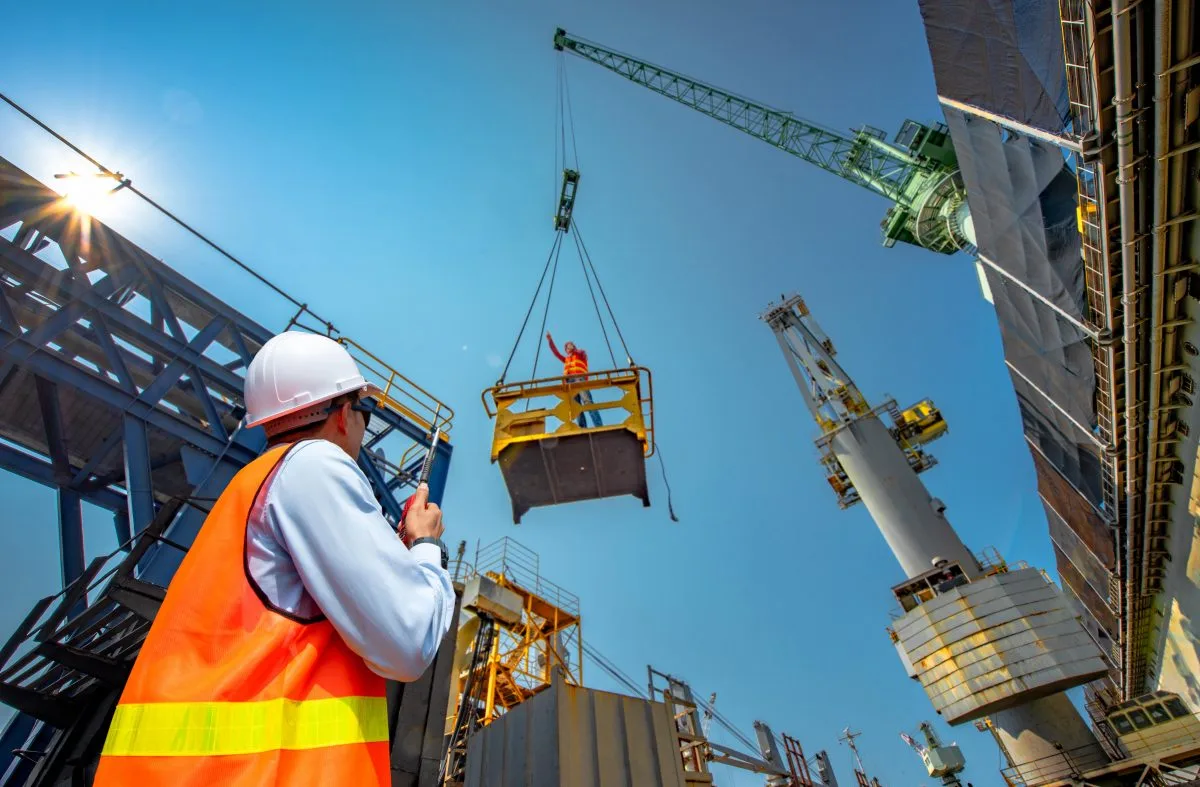
Encompassing both written and verbal, communication of expectations, risks and hazards helps workers prepare for the tasks they are to undertake, while effective communication during operations is fundamental to coordinating teams and achieving the desired outcome.
Finally, a post-event evaluation is necessary after every safety incident to ensure that lessons are learned and communicated to the team, informing best practice and reducing the likelihood of recurrence.
Why is communication important in health and safety?
Clear and effective communication at all times in the workplace contributes directly to enhanced safety outcomes. By identifying communication needs, tailoring communication methods to the audience and environment, timing communications appropriately to the specific task and equipping the workforce with appropriate communication tools, businesses can effectively engage their workforce, empowering them to work safely and make appropriate decisions, escalating issues as needed and helping to avoid or overcome the risks and hazards they may encounter.
Why are good communications important?
Good communication ensures that all members of the workforce understand their responsibilities and the boundaries of their authority, have clear escalation routes and procedures and are confident in discharging their duties.
Communication and teamwork
Well connected teams are efficient and productive, but how do they become well connected? Firstly, through a set of established procedures, secondly, through regular training and thirdly, from the provision of appropriate communication tools.
Professional two way radios offer a range of business benefits, including value for money, immediate communication at the touch of a button, hands-free operation, GPS tracking, lone worker features and background noise cancellation. These features mean that teams can always remain connected, even when working on remote sites or in busy environments.
By improving team connection, workplace risks and hazards can be quickly identified and resolved, coordination improved, and the emergency services mobilised where necessary.
3 Ways that Communication Enhances Workplace Safety
1. Hazard identification. Employees best understand their working environment and are therefore best placed to identify the hazards that are inherent in it. Offering them a clear escalation route and appropriate tools to report those hazards is fundamental to eliminating them.
2. Compliance with safety protocols. Workplaces that prioritise safety have clear safety protocols and mandate regular staff training to ensure worker familiarity with those protocols. They advertise safety protocols and escalation routes in high footfall areas and offer appropriate communications devices and PPE to workers to make compliance easy.
3. Encourage incident reporting. Understanding safety protocols and being able to report hazards are stepping stones to embedding a proactive safety culture into an organisation. Giving employees the tools and delegated authority to report incidents, injuries, accidents and near-misses is essential to investigate, understand and prevent repeat incidents from occurring.
Communication improves the hazard identification process.
By ensuring that employees understand what a hazard is and offering them appropriate communications methods and devices to report the hazards they identify, businesses can reap the benefits of a risk aware workforce, which include a reduced accident and illness rate, less unproductive downtime, fewer (if any) financial penalties for non-compliance and a more motivated workforce.
Two-way radios are often touted as essential to hazard identification, offering an immediate method of communication in the field, allowing early intervention actions to be implemented or emergency evacuations enacted, reducing the risk of accidents and enhancing safety outcomes.
Communication helps employees adhere to safety protocols.
Communicating safety protocols is vital to employee safety, but ensuring that workers can adhere to these protocols requires the proactive issue of suitable communications devices, enabling them to remain in contact throughout the course of their duties, to alert others to hazards, to escalate issues and to report near misses.
Suitable communications equipment for a warehouse environment, for example, would include rugged radios that are IP-rated against dust and water ingress, with noise suppression features and ideally a hands-free option, allowing employees to communicate clearly with each other despite the challenges inherent in their operating environment.
Open communication channels encourage incident reporting.
Overcoming safety hazards in workplaces requires first a culture in which employees feel safe and empowered to identify and report those hazards. They must be exposed to the organisation’s safety protocols and escalation routes and adequately trained to recognise and respond to hazards. They must be equipped with suitable PPE and a means of communication that they know how and when to use.
By creating a transparent safety culture and empowering employees to act as safety ambassadors in the workplace, a reduced incidence of accidents and near misses will be noticed, and employees will be happy to highlight potential safety failings, safe in the knowledge that no blame will be apportioned. This will strengthen team bonds and enhance morale.
Why A Two-Way Radio Is Essential Equipment For Workplace Safety
Two-way radios offer unmatched functionality, and this makes them invaluable for communicating in the workplace. In sharp contrast with a mobile phone, they require no signal, and there is no delay in placing a call. In an emergency situation, this immediacy can be the difference between a successful or unsuccessful outcome.
Workplace two-way radios are ruggedised to withstand accidental drops and knocks, are IP-rated for water and dust ingress resistance and typically offer features such as background noise cancellation, lone worker alarms and GPS tracking, ensuring that staff can always communicate clearly, radio for help and be located, even if they are unable to speak.
Available in a range of frequencies and capable of accommodating range boosting with signal enhancers and upgraded aerials, there really is a two-way radio for every situation. With the business safety and efficiency benefits clear to see, there are compelling reasons for every business to invest in this technology.
HSM Newsletter
HSM publishes a weekly eNewsletter, delivering a carefully chosen selection of the latest stories straight to your inbox.
Subscribe here